Celebrate Presidents' Day
Celebrate Presidents' Day
A family gallery guide for kids ages 8 and up and their grown-ups
Are you a presidential history buff? Show off your knowledge and learn lots of new fun facts using this guide. Search high and low throughout the galleries to find the presidential objects in this scavenger hunt. Read and get to looking to discover presidential fun facts!
Start on the Lower Level in the DiMenna Children’s History Museum. Find the Alexander Hamilton section (look for a big 10$ bill with Hamilton’s portrait!)

True or False? Alexander Hamilton was the third president of the United States.
False! Alexander Hamilton never held an elected office, so he definitely wasn’t the third president! But he had a lot of impact on how the United States government was formed. He helped New York to ratify the Constitution, and he was the first secretary of treasury of the United States.
Find the case filled with coins and look for a coin from 1791. Which U.S. president is featured on this coin?
Read the label to find the answer!
Head over to the Barbara K. Lipman Children’s History Library. Find the Presidents Day themed shelf. Here you’ll find lots of books on presidents, their families, and the U.S. government.
Some of our favorites include:
- Abe Lincoln: The Boy Who Loved Books by Kay Winters (author) and Nancy Carpenter (illustrator)
- Teedie: The Story of Young Teddy Roosevelt by Don Brown (author)
- Of Thee I Sing: A Letter to My Daughters by Barack Obama (author) and Loren Long (illustrator)
Find the green card catalog drawers and open them to search for a copy of the Emancipation Proclamation.
Which President signed this document? He was known as the Great Emancipator.
Read the label to find the answer!
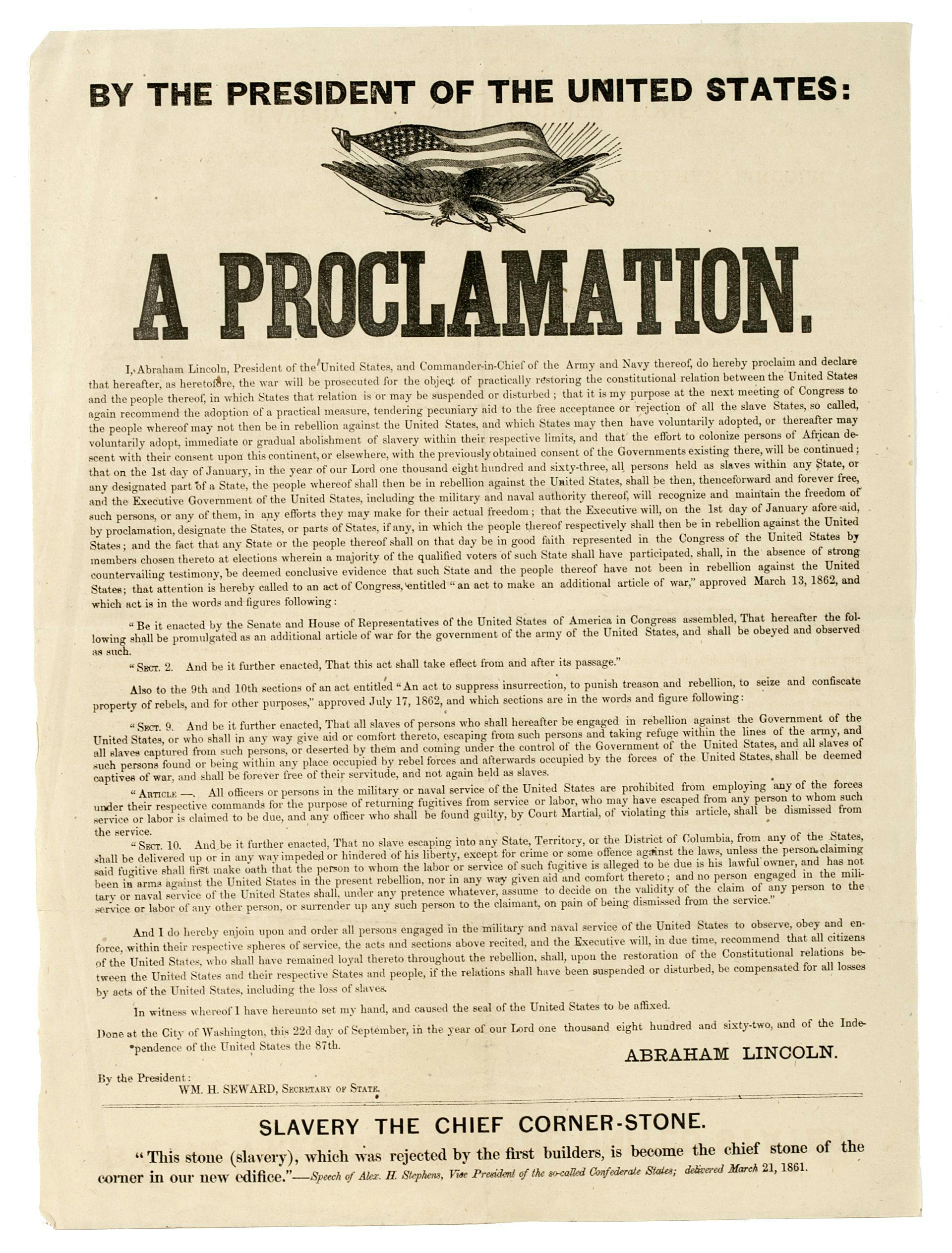
Abraham Lincoln (1809–1865) Emancipation Proclamation (detail), 1863 Broadside Washington, D.C.: Publisher unknown Photographic reproduction
The Emancipation Proclamation was signed during the Civil War, which was fought between the Union and the Confederacy. In signing it, the president declared that all enslaved people in Confederate territories were freed.
Take the oath of office!
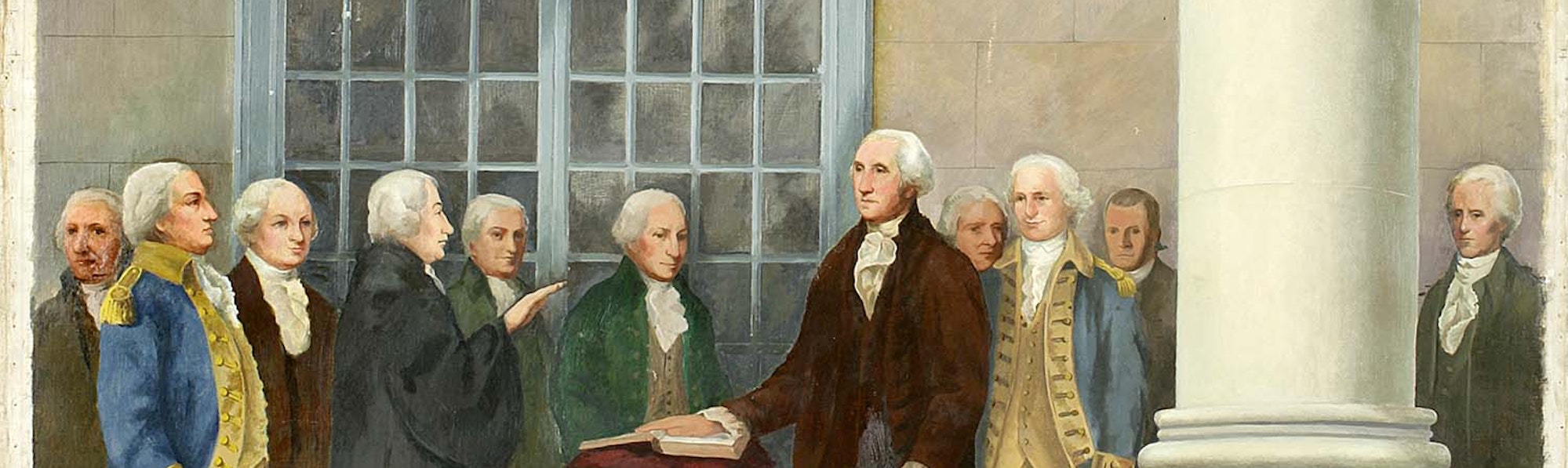
Near the Alexander Hamilton section you’ll find a painting of George Washington taking the oath of office. But, he’s missing his head! Step on up! And into the role of Washington at his first inauguration, held in downtown Manhattan. To be inaugurated into the office of the President of the United States means to begin your four-year term as president by taking the Oath of Office. An oath is a promise, and the Oath of Office is a special promise that every president makes.
Take the elevator to the 4th floor, and head left to the North Gallery.
Search HIGH and low to find an armchair made to remember George Washington.
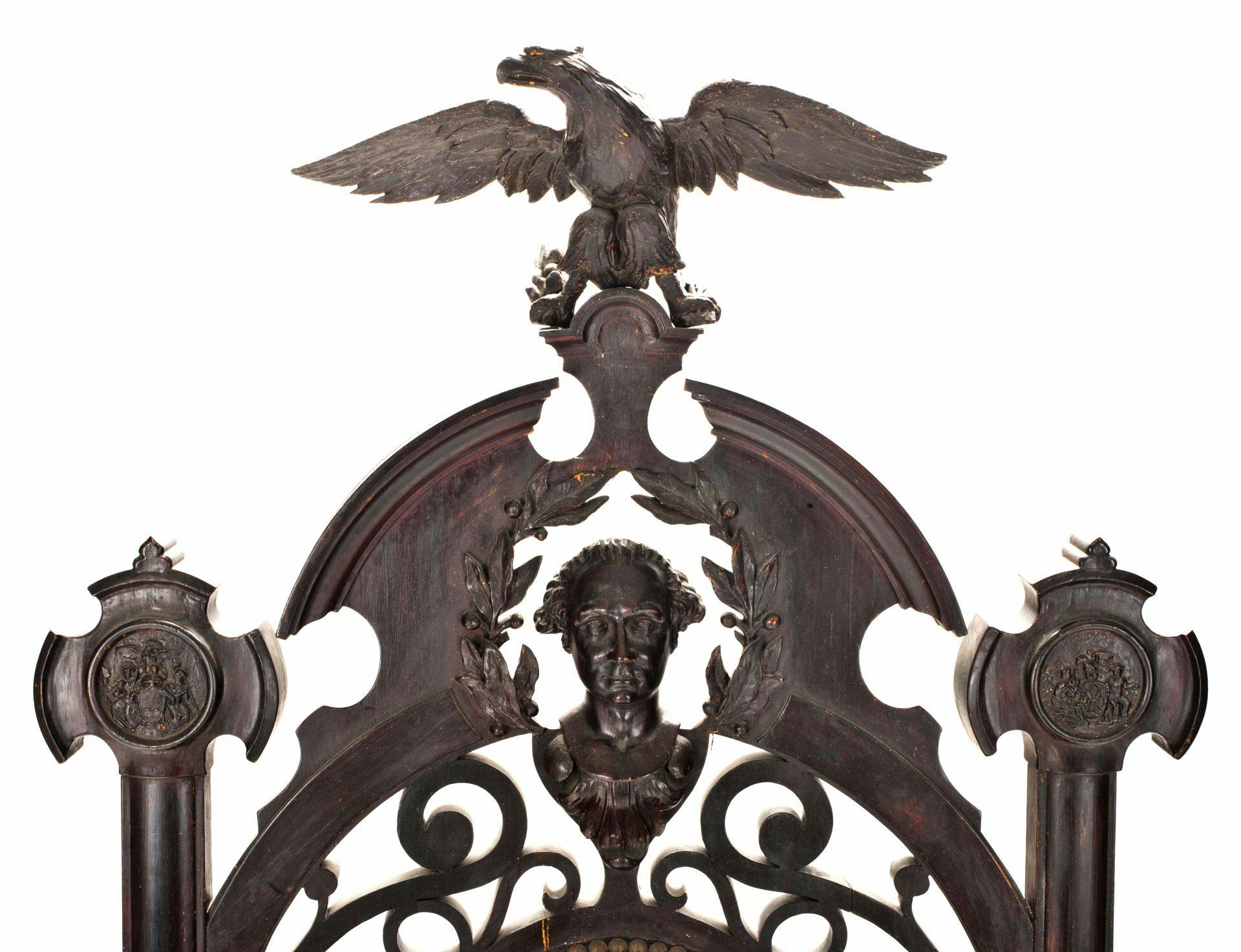
Relic armchair (detail), 1856-57. 1857.11
Locate the three clues showing us it was made to honor Washington.
- The first president’s initials
- The U.S. national bird. What kind of bird is it?
- Bust statue of Washington’s head
Historians suspect Washington would not have liked the design of this chair (it was made after he died, so he never saw it). They think the design might have reminded Washington of a throne and he wanted the presidency to be as different from a monarchy as possible.
Find this object in one of the center cases in the North Gallery.

Let’s play “Solve the Mystery!” Assign one person to guess, and one person to give the clues. Make sure your guesser doesn’t read the label! Read the clues out loud, one at a time. After each clue, the guesser can try to solve the mystery: What is this object?
Clue 1: This was used by President Franklin Delano Roosevelt.
Clue 2: In 1921, Roosevelt contracted a disease called polio.
Clue 3: Polio is a disease that affects the spinal cord and can make it hard to walk.
Read the label to see if you guessed correctly!
Now head to the Meet the Presidents and Oval Office exhibition, around the corner from the end of the North Gallery.
Enter the replica of the Oval Office, recreating President Ronald Regan’s decor and furniture. The Oval Office is an important symbol of the presidency, and it is also where presidents do their work.
Let’s play “I spy with my little eye!” See if you can spot:
- A jar of jelly beans
- The Presidential Seal. Bonus: Can find more than one?
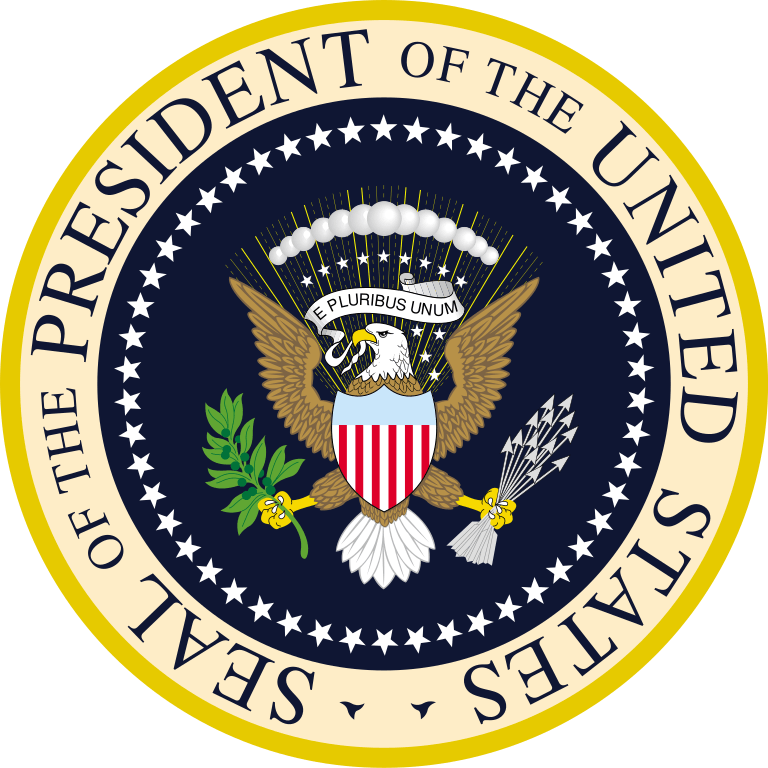
- A cowboy riding a bucking bronco horse
- At least two more animals
- The American flag. Bonus: Can you find more than one?
- Inspirational quote: “It can be done.” What words of inspiration would you have in the Oval Office?
- A fancy carpet. What’s your favorite part of the design?
Read the introductory panel to learn more about some of the objects that you found. Then, press the buttons to listen to some of “The Presidential Tapes.” We suggest the “Lyndon B. Johnson, November 25, 1963.” Discuss with your family. What is President Johnson talking about with Dr. Martin Luther King Jr.?
Don’t forget to have a seat at the Resolute Desk and snap a picture. When you pose, think of how you can use your body language and facial expression to look presidential. Share your photo on social media and make sure to tag us! @nyhistory
Head out into the Meet the Presidents gallery.
Here you’ll discover the many things a president is responsible for and what powers they have.
Find the photographs of the Grand Canyon. These views of the Grand Canyon inspired the Antiquities Act of 1906. The law protects historic sites, parks, and monuments—like the Statue of Liberty! Read the label. Which President passed this monumental law? Discuss with your family. Which National Park or Monument would you like to visit?
Last stop! Head to the 2nd Floor and find Turn Every Page, the Robert Caro exhibition.
Robert Caro is a historian and author who digs deep into the lives of powerful people. He has completed four volumes of The Years of Lyndon Johnson, and he is working on one more.
Find the case, “Exploring Power: The World of Lyndon Johnson'' to discover the many ways a historian can study a president. Now, find the many different methods Caro uses to take notes and write his books.
Find:
- Cassette tape (if you don’t know what these are, ask your grown-up!)
- Notebooks
- Three ring binder
- Address book
- Letters to sources
- Typed drafts
There is always more presidential research to be done. Imagine you are the next presidential historian. Discuss with your family. Which president would you want to research? Why?
Thank you for visiting and using our Presidents' Day family guide!
Want to learn more at home? Visit New-York Historicals new curriculum Opening the Oval with David M. Rubenstein: Understanding American Power for more resources related to Presidential history. The site includes short videos that explain the scope of presidential power. Start with this one, on Presidential Leadership!