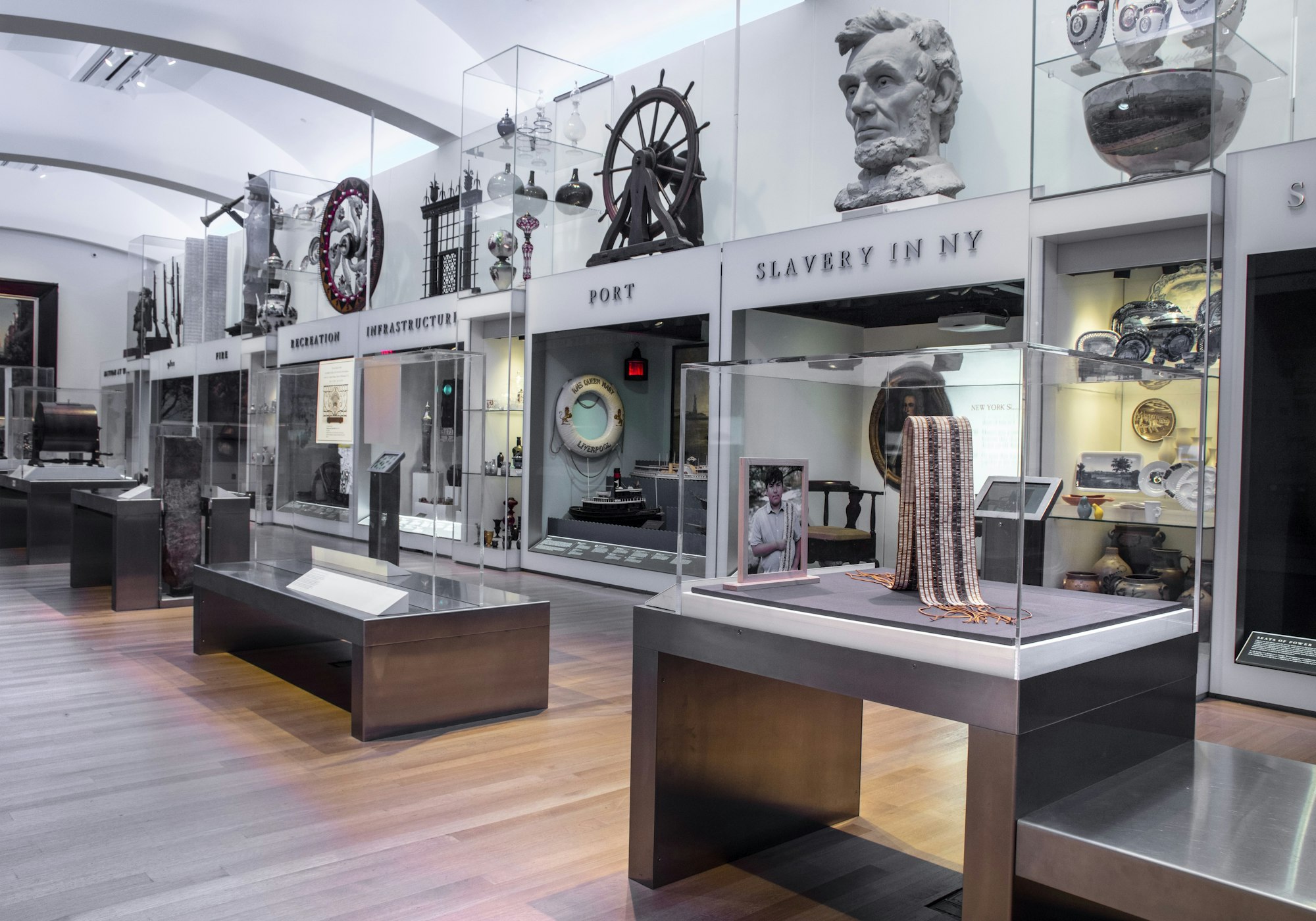
Experience unexpected and surprising perspectives on collection highlights in the North Gallery on a variety of topics, including slavery, war, infrastructure, childhood, recreation, 9/11, and the COVID-19 pandemic
Experience unexpected and surprising perspectives on collection highlights in the North Gallery on a variety of topics, including slavery, war, infrastructure, childhood, recreation, 9/11, and the COVID-19 pandemic
4th floor, North Gallery
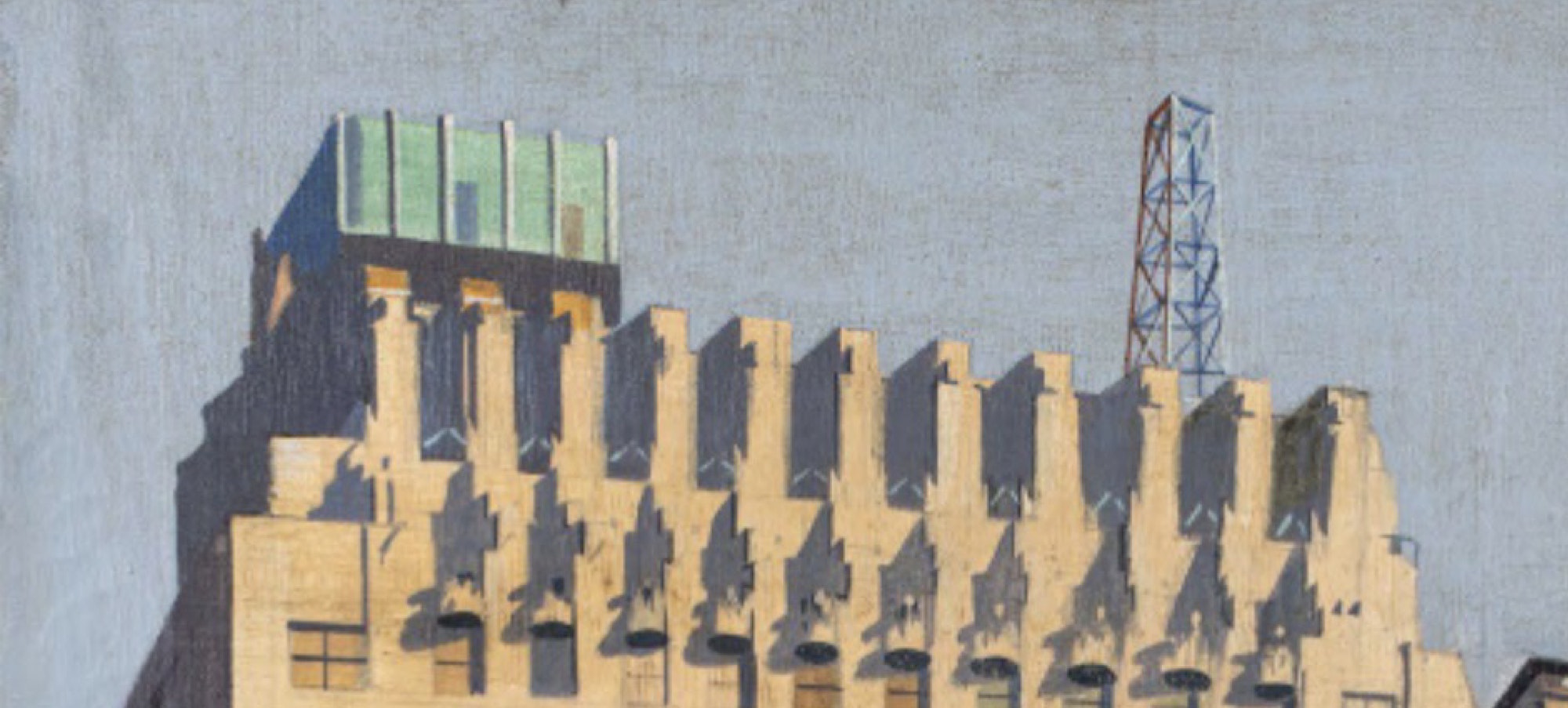
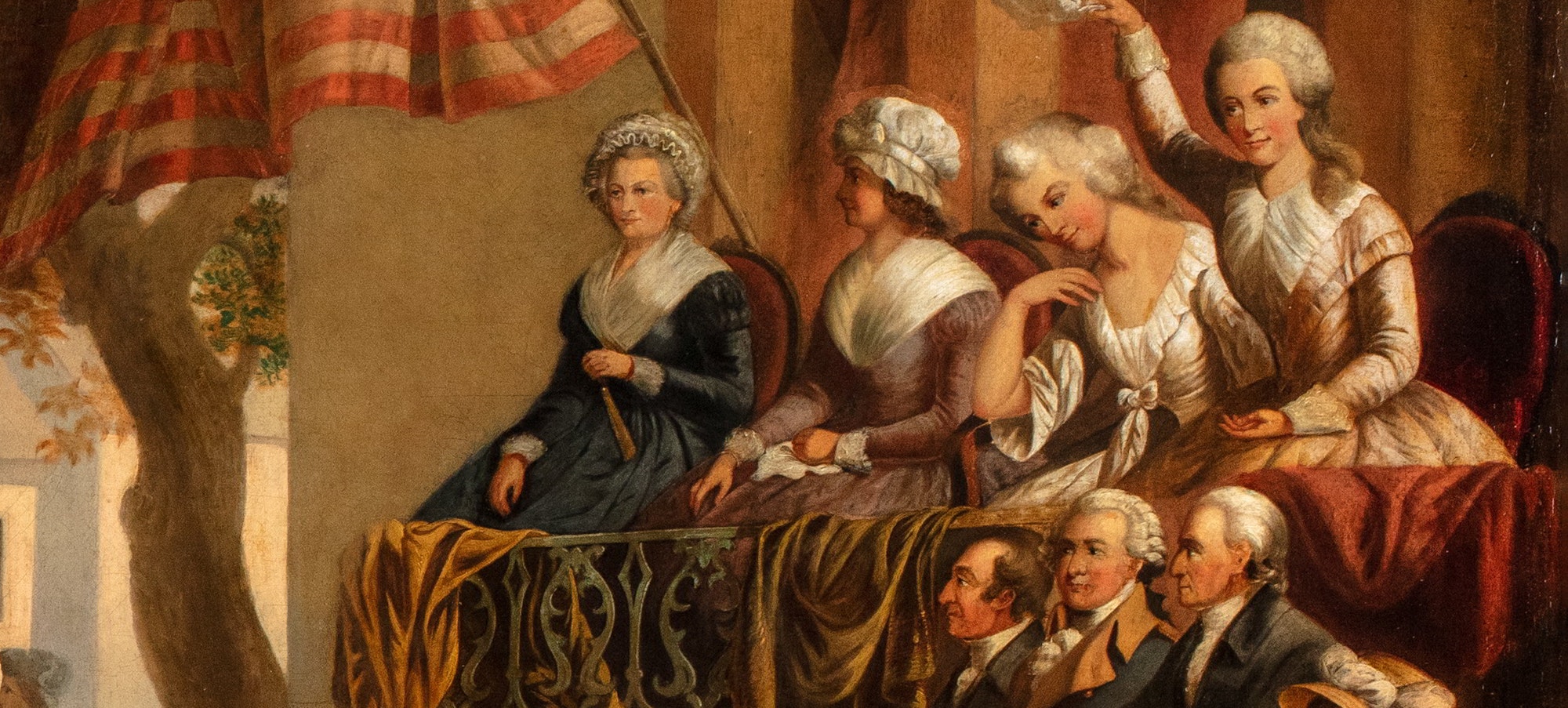
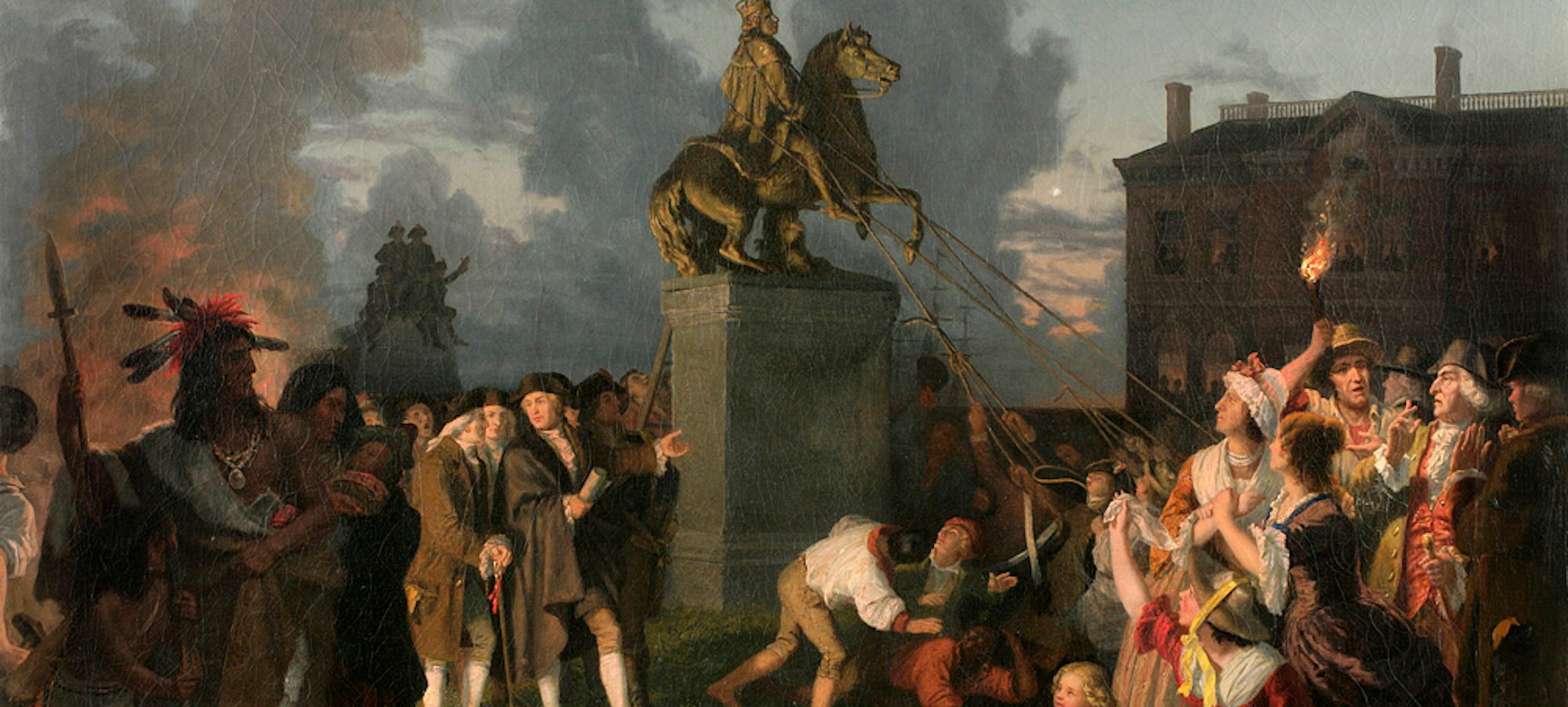
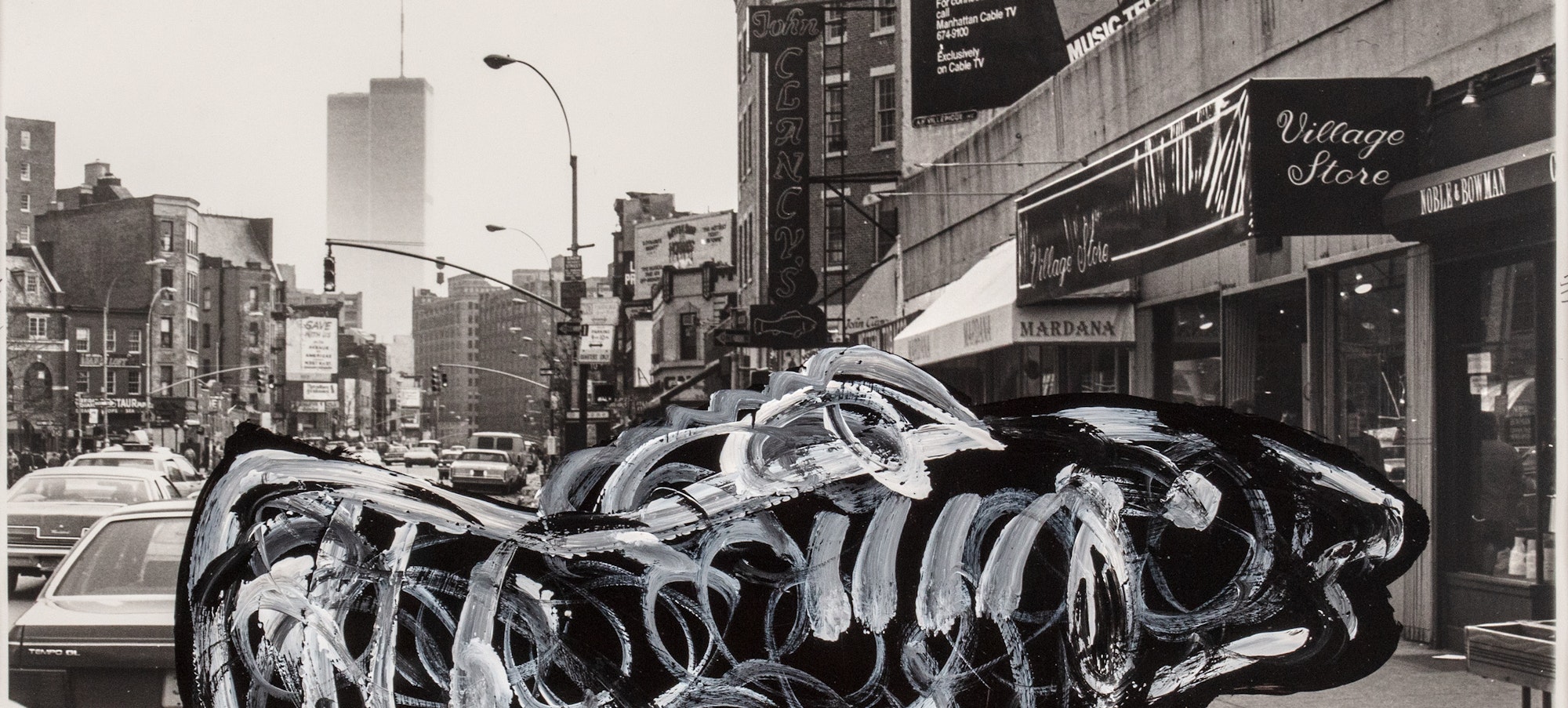
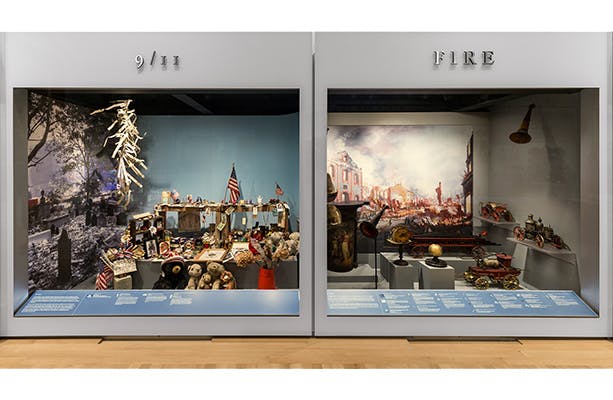
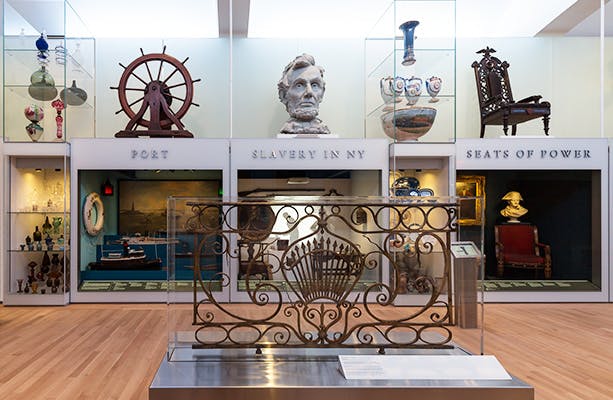
In the Henry Luce III Center for the Study of American Culture on the 4th floor, treasures from our vast permanent collection tell the story of New York and American history. Themed displays in the North Gallery present a variety of topics—such as slavery, war, infrastructure, childhood, recreation, and 9/11—offering unexpected and surprising perspectives on collection highlights.
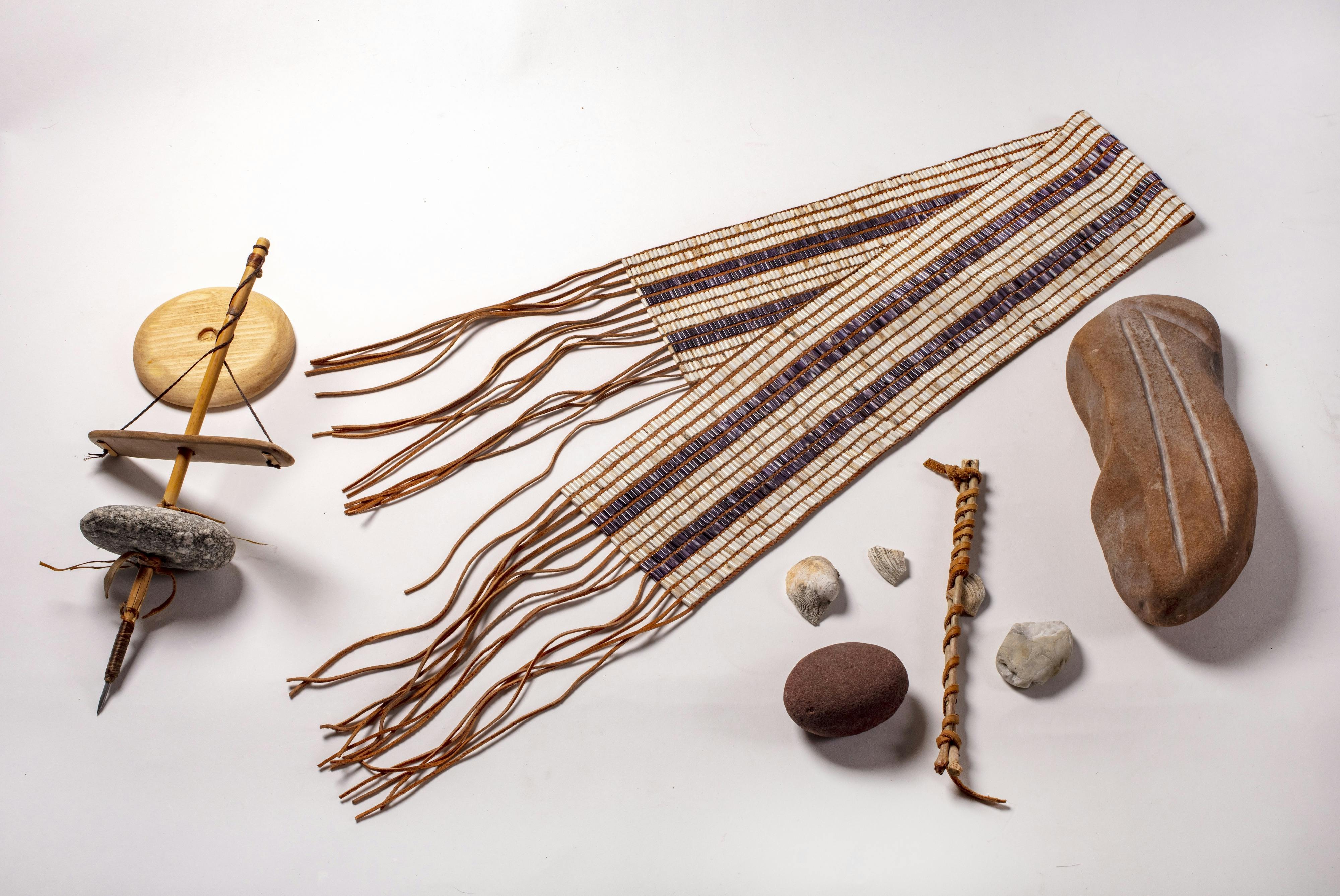
Explore our latest installation: "Revolutionary Threads" about the role cloth and textiles played both as memorabilia—promoting the fame of George Washington, for instance—and as keepers of hidden family histories.
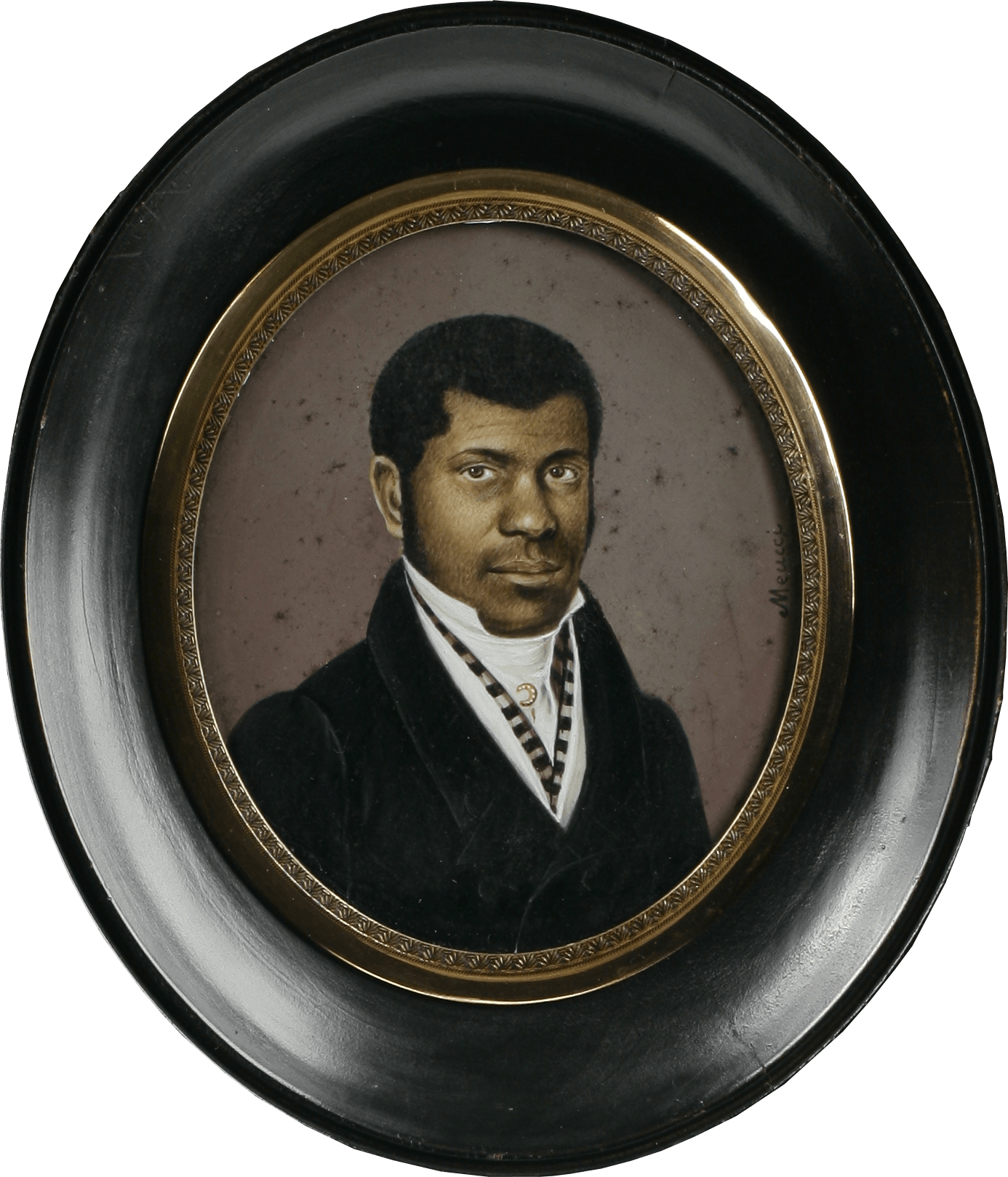
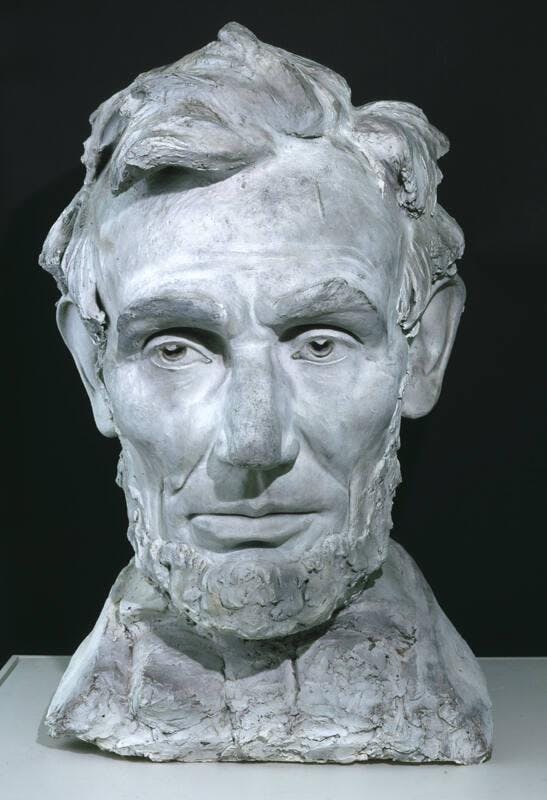
Other highlights include George Washington’s camp cot from Valley Forge; a Venetian blind retrieved from St. Paul’s Churchyard in the days after September 11, 2001; stained glass dating back to 1650 from the time of New Amsterdam; a portrait of Seneca Chief Sagoyewatha; the massive painting Return of the 69th (Irish) Regiment, N.Y.S.M. from the Seat of War, 1862; a woman’s safety bicycle, constructed in 1900 which made riding easier in long skirts; and the only full-size model of Lincoln’s head, designed by Daniel Chester French for the Lincoln Memorial in Washington, D.C.
The center of the North Gallery features 10 emblematic historical artifacts that chart key moments in history, including a copper globe (1542) detailing Giovanni da Verrazzano’s exploration of the New York area; a draft wheel used in the lottery that sparked the Draft Riots in Civil War-torn New York in July 1863, one of the worst urban riots in American history; and a silver subway controller handle used by Mayor George McClellan to drive the first subway car on its maiden voyage from City Hall in 1904.
Highlights
Exhibitions at The New York Historical are made possible by the Saunders Trust for American History, the Evelyn & Seymour Neuman Fund, the New York City Department of Cultural Affairs in partnership with the City Council, and the New York State Council on the Arts with the support of the Office of the Governor and the New York State Legislature. WNET is the media sponsor.



Media sponsor: