From Declaration to Emancipation: Lincoln and Jefferson
Leah and Michael Weisberg Series on American History
Event Details:
Abraham Lincoln revered Thomas Jefferson’s greatest achievement, the Declaration of Independence, as the cornerstone of his own political philosophy. Yet Lincoln simultaneously rejected Jefferson’s moral failings, particularly his role as a slaveholder, and transformed Jeffersonian ideals into a mid-19th-century vision of freedom and equality. By adopting Jefferson’s credo and reinterpreting it through the lens of emancipation and the Republican party, Lincoln created a bridge between the nation’s founding principles and its “new birth of freedom.” Harold Holzer, one of the nation’s leading Lincoln scholars, examines this complex intellectual and political inheritance.
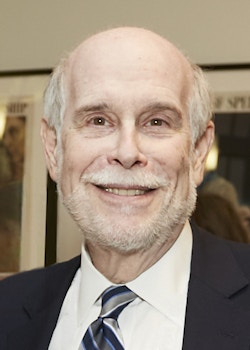
Harold Holzer is the Jonathan F. Fanton Director of the Roosevelt House Public Policy Institute at Hunter College and the author, most recently, of Brought Forth on this Continent: Abraham Lincoln and American Immigration.
Location:
The Robert H. Smith Auditorium at The New York Historical, 170 Central Park West, New York, NY 10024
Ticket Instructions:
By phone: Contact our call center at (212) 485-9268 from 9 am – 5 pm daily.
Online: Click on the button above.
In person: Purchase tickets on site at the admissions desk during Museum hours.
Chair's Council: Chair's Council members may request complimentary tickets. To learn more, email chairscouncil@nyhistory.org.
Members: Sign in with your Member login on the next page to receive your discount. If you need a login or have any questions, contact the call center at (212) 485-9268 or call.center@nyhistory.org.
Advance registration is required to guarantee seating. All sales are final; refunds and exchanges are not permitted. Programs and dates are subject to change. Management reserves the right to refuse admission to latecomers. Program tickets do not include Museum admission unless otherwise noted.
For any questions, please email public.programs@nyhistory.org.
Photo by Matt Capowski