September 15 to October 15 is Hispanic Heritage Month, a month-long celebration honoring the history, cultures, and contributions of Latino and Hispanic people in the United States. My name is Jossie and I lead a bimonthly class at The New York Historical called Hablemos (a drop-in family art program taught in English and Spanish). On September 20, I will be leading a special Hispanic Heritage Month Celebration!
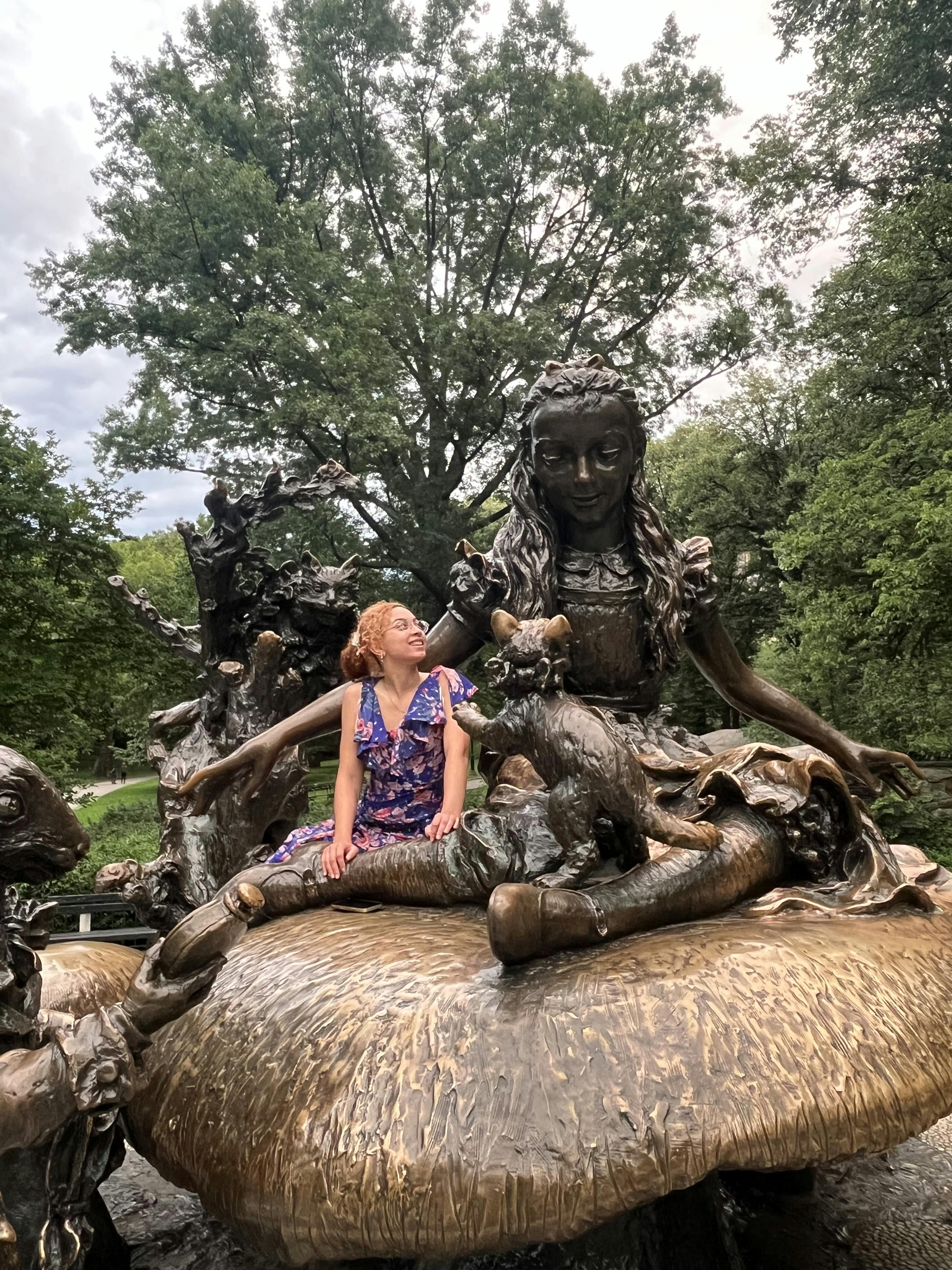
As an educator of Puerto Rican and Dominican descent, I love sharing the amazing history, cultures, and contributions of Latino and Hispanic people, so I hope you will join me to learn, snack, craft, and celebrate on September 20th!
Did you know that Hispanic Heritage Month started as just Hispanic Heritage Week? Hispanic Heritage Week was originally created by President Lyndon B. Johnson in 1968. It was then expanded to become Hispanic Heritage Month by President Ronald Reagan in 1988. The mid-September to mid-October celebration now overlaps with the independence days of several Latino and Hispanic nations, including Costa Rica, El Salvador, Guatemala, Honduras, Nicaragua, Mexico, Chile, and Belize.
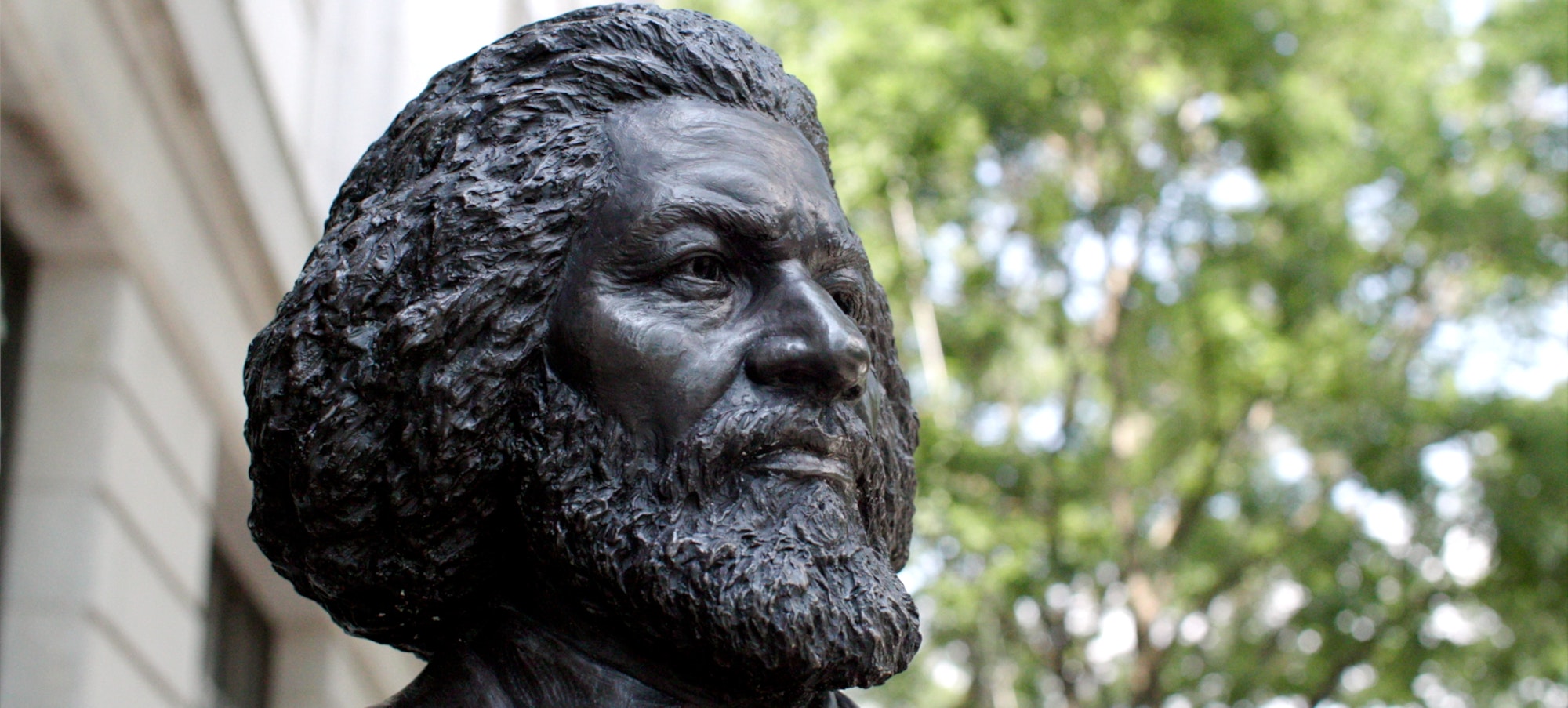
As Hispanic Heritage Month approaches, I find myself thinking about some empowering words spoken by Frederick Douglass (the once-enslaved abolitionist and famed orator) in his speech “Our Composite Nation.” Douglass’ vision of freedom, citizenship, and equal rights, which he shared through essays and speeches during his lifetime (1818-1895) and explored in our ongoing exhibition Our Composite Nation: Frederick Douglass’ America, remains relevant and compelling today. He states, “In a composite nation like ours, as before the law, there should be no rich, no poor, no high, no low, no white, no black, but common country, common citizenship, equal rights and a common destiny.” Douglass saw the power of citizenship being offered to all people in a diverse and growing nation.
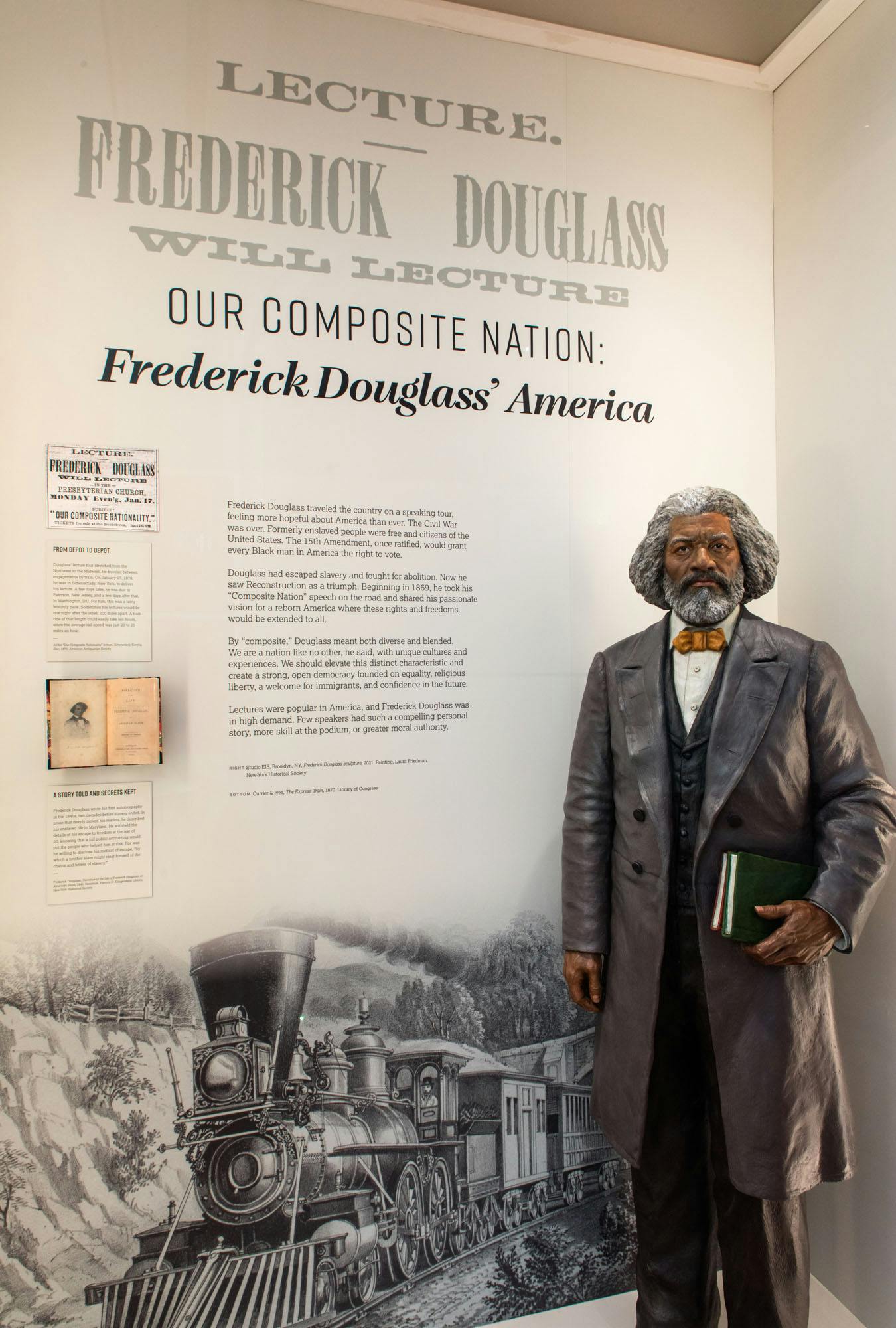
Born enslaved in Maryland, Douglass cared deeply that birthright citizenship be extended to all Black Americans—including himself!—after the end of the Civil War. In addition, Douglass believed in a version of American citizenship that was expansive and included all people. Douglass advocated for the rights of Chinese immigrants and wrote speeches and essays arguing for their ability to obtain citizenship. Although citizenship for immigrants from Latin American countries was not directly addressed by Douglass, I read his words and feel that his idea for a composite nation could be extended to the many people of Latin America who want to come to the United States. Douglass makes the argument that with immigrants we could become a stronger country.
“Our Composite Nation” also makes me reflect on the phrase “Hispanic Heritage.” Personally, the word “Hispanic” is reminiscent of an older viewpoint (that refers back to a more Eurocentric understanding of history) and does not necessarily reflect how people identify today. Language is a constantly evolving thing and we now have more (and new!) words to describe our diverse communities. Latino, Latina, Latinx, and Latine are some more contemporary terms that can be used to describe the millions of people who immigrated to the United States from Latin America and their descendants. These words honor the vibrant cultures, dialects, cuisines, and peoples of numerous countries in the Americas without referencing Spanish colonial roots.
Despite being a little old-fashioned in name, Hispanic Heritage Month is still a wonderful way to honor the history of a large part of the American populace. As an educator, this heritage month serves as an opportunity to joyfully bring my culture to kids and adults. For non-Latino visitors, it provides an opportunity to explore cultures different from their own and learn how the Latino community is made up of millions of people that cross national boundaries. For Latino visitors, it's an opportunity to nurture kinship with each other through a shared language and cultural similarities.
I hope to see you at our Hispanic Heritage Month celebration on September 20!
Written by Jossie Rivera
Keep Reading
- History DetectivesApril 30, 2026
Creating Art from Recycled Materials
Step by step guide for creative art made with recycled materials. - History DetectivesOctober 28, 2025
Our Favorite Children’s Books to Celebrate LGBTQ+ History Month
Our family programs educators share their favorite picture and chapter books for LGBQT+ History Month! - History DetectivesMarch 12, 2025
Create Your Own Bookmark Characters!
Step-by-step instructions to make your own bookmark character. - History DetectivesFebruary 5, 2025
Who Was Hercules Posey? A Q&A with Historian Ramin Ganeshram
Conversation with historian Ramin Ganeshram about the 18th-century chef Hercules Posey.