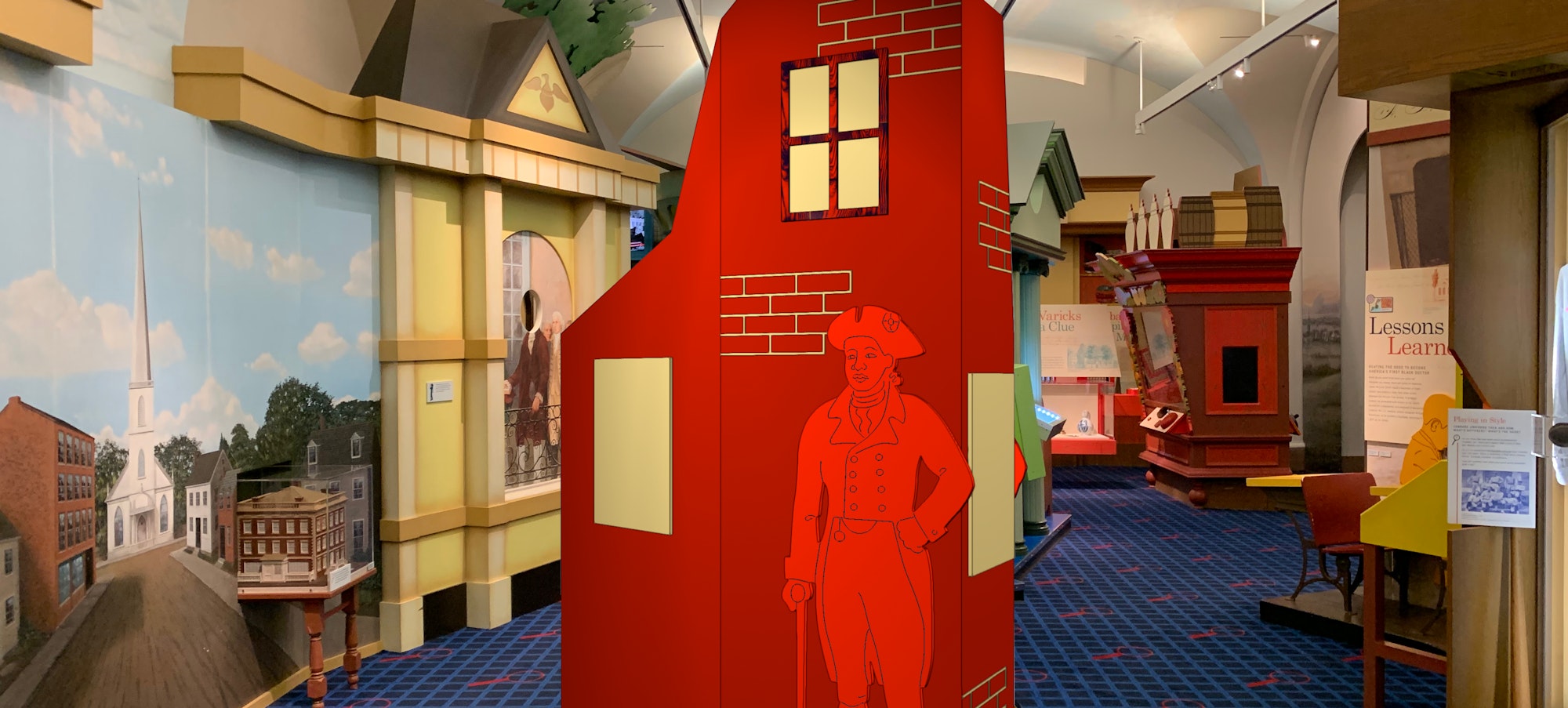
A new installation at the DiMenna Children's History Museum shines a spotlight on the life of 18th-century chef Hercules Posey. We are thrilled to share this compelling chapter of history with our family visitors, offering a glimpse into Posey's remarkable career as a renowned chef and his experience living and working in the President's House.
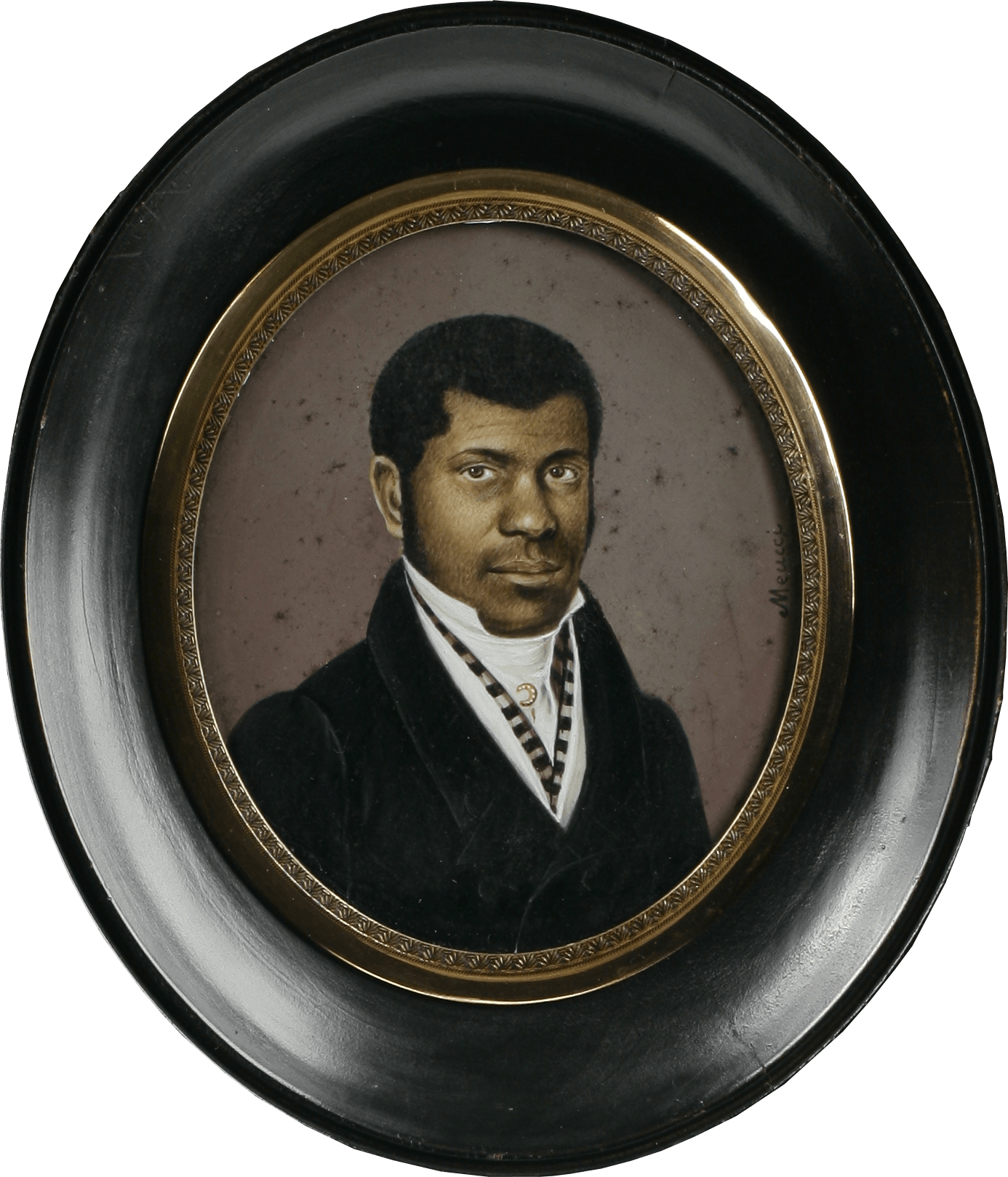
Born into slavery, Hercules Posey was acquired by George and Martha Washington when he was used as the collateral on a debt that was owed to them. In 1790, the Washingtons brought Posey to Philadelphia, where George Washington was beginning his term as the first president of the United States.
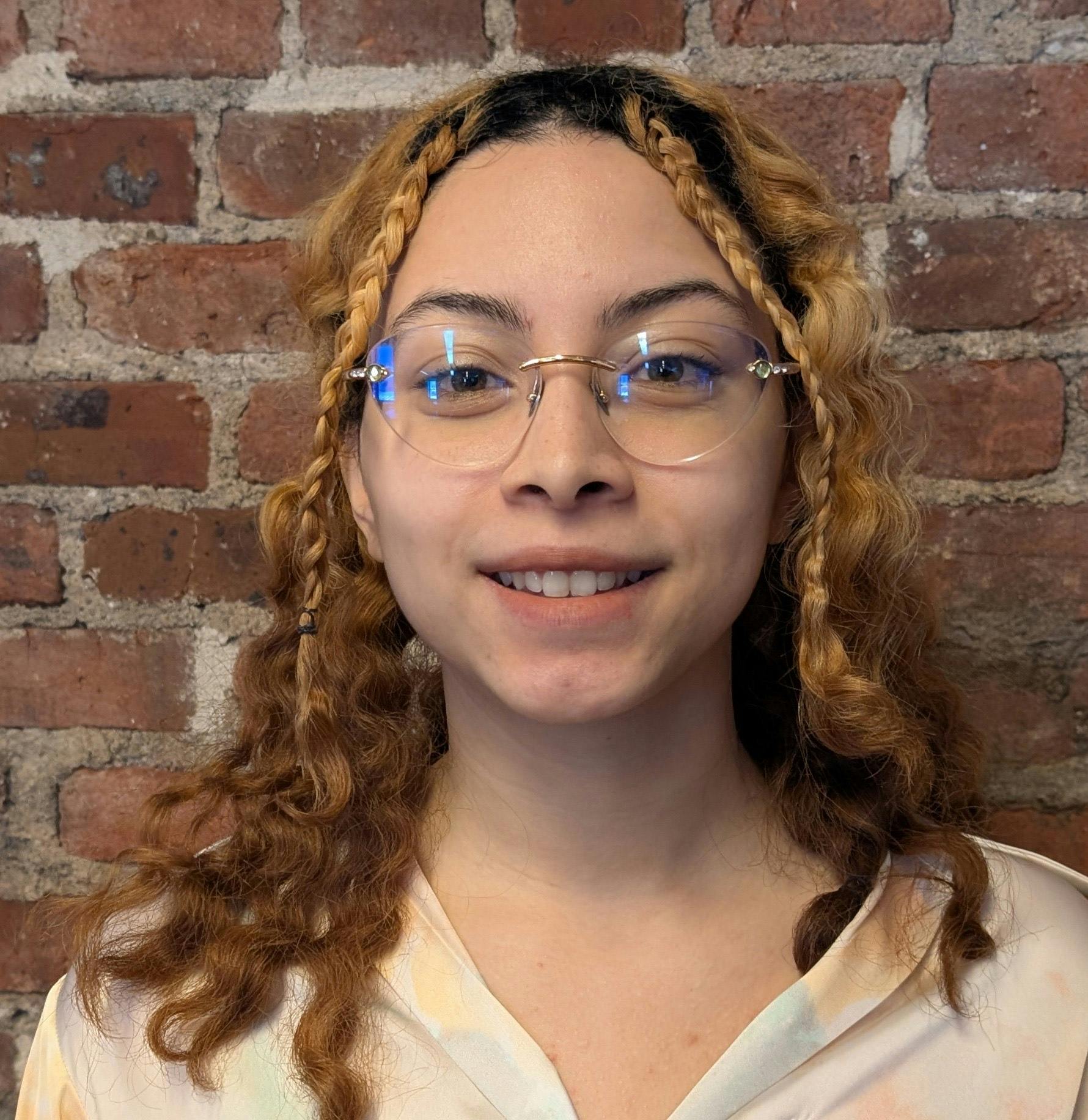
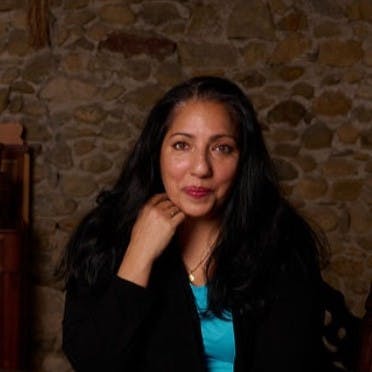
We met historian Ramin Ganeshram through family programming centered on Posey, and we are honored to have her serve as the scholar advisor for this installation. Her forthcoming book, Stirring Liberty: How George Washington’s Enslaved Chef Transformed American Cuisine and Secretly Cooked His Way to Freedom, delves into Posey’s extraordinary journey.
Read along as we ask Ramin some questions about Hercules Posey and her work uncovering his story:
DiMenna Children's History Museum: There isn’t a rich historical record about Hercules Posey, even though he was relatively famous and spent time around some of the most powerful people of his day. Why don’t we have a lot of material on Hercules?
Ramin Ganeshram: As an enslaved person, Chef Hercules was considered property. Because of that, like other enslaved people, he mostly appears in the historical record in relation to his labor for Washington. There were laws preventing bound people of African descent from learning to read and write. As far as we know he did not have the ability to record his own life, make transactions, or write letters—which are all the ways that people show up in archival material. Within this context, there is more about Chef Hercules than there is about the tens of millions of enslaved people in American history—but it’s still not enough.
DCHM: As a historian, what are some of the ways you go about finding material about Posey?
Ganeshram: Researching enslaved and early free Black Americans and other people of color is very difficult because they were not allowed to leave behind evidence of their existence the way white Americans were. This means I had to get creative in my search for Hercules. Knowing that he did engage with members of the Philadelphia community, I looked for glimpses of him in things like merchant ledgers—where they kept accounts of their customers. Often this really means looking for George Washington, and seeing if any of his purchases was on behalf of Hercules or other people in the house. Another source of information for me has been letters between Washington and the plantation managers at Mount Vernon as well as his personal secretary. Sometimes, there is reference to Hercules in those letters.
DCHM: While you have found and reconstructed so much about Hercules' history, there is so much we don’t know and might never know! For instance, we lose track of his childrens’ historical record by the early 19th century. For you, what is the hardest part of his history that is missing?
Ganeshram: The hardest part for me is not knowing if he has descendants out there—because, as you say, the thread of what happened to his children has been lost. Over the last year, I’ve been focusing on trying to discover where Hercules was born and what happened to his kids for the biography I am writing about him.
DCHM: If you could ask Hercules Posey any question, what would it be?
Ganeshram: That’s a hard one! I don’t think I could ask him just one. If I had to choose, I’d ask him to tell me all he tried to do for his kids—because I know in my heart he did dream of freedom for them too. The historical record hasn’t shown it yet, but I know it’s true.
DCHM: Describe Hercules Posey in three words!
Ganeshram: Brave, Brilliant, Bold.
Thank you Ramin!
Installation generously sponsored by Mars Wrigley and AMERICAN HERITAGE® Chocolate
Keep Reading
- History DetectivesApril 30, 2026
Creating Art from Recycled Materials
Step by step guide for creative art made with recycled materials. - History DetectivesOctober 28, 2025
Our Favorite Children’s Books to Celebrate LGBTQ+ History Month
Our family programs educators share their favorite picture and chapter books for LGBQT+ History Month! - History DetectivesSeptember 17, 2025
What Does Hispanic Heritage Month Mean to Me?
Our Hablemos educator explores the history and significance of Hispanic Heritage Month. - History DetectivesMarch 12, 2025
Create Your Own Bookmark Characters!
Step-by-step instructions to make your own bookmark character.