The 1976 Bicentennial: Dressing for Revolution
In the aftermath of the Vietnam War and Watergate, the 1976 Bicentennial sparked debates over how to remember the Revolution
In the aftermath of the Vietnam War and Watergate, the 1976 Bicentennial sparked debates over how to remember the Revolution
4th floor, Center for Women's History Case
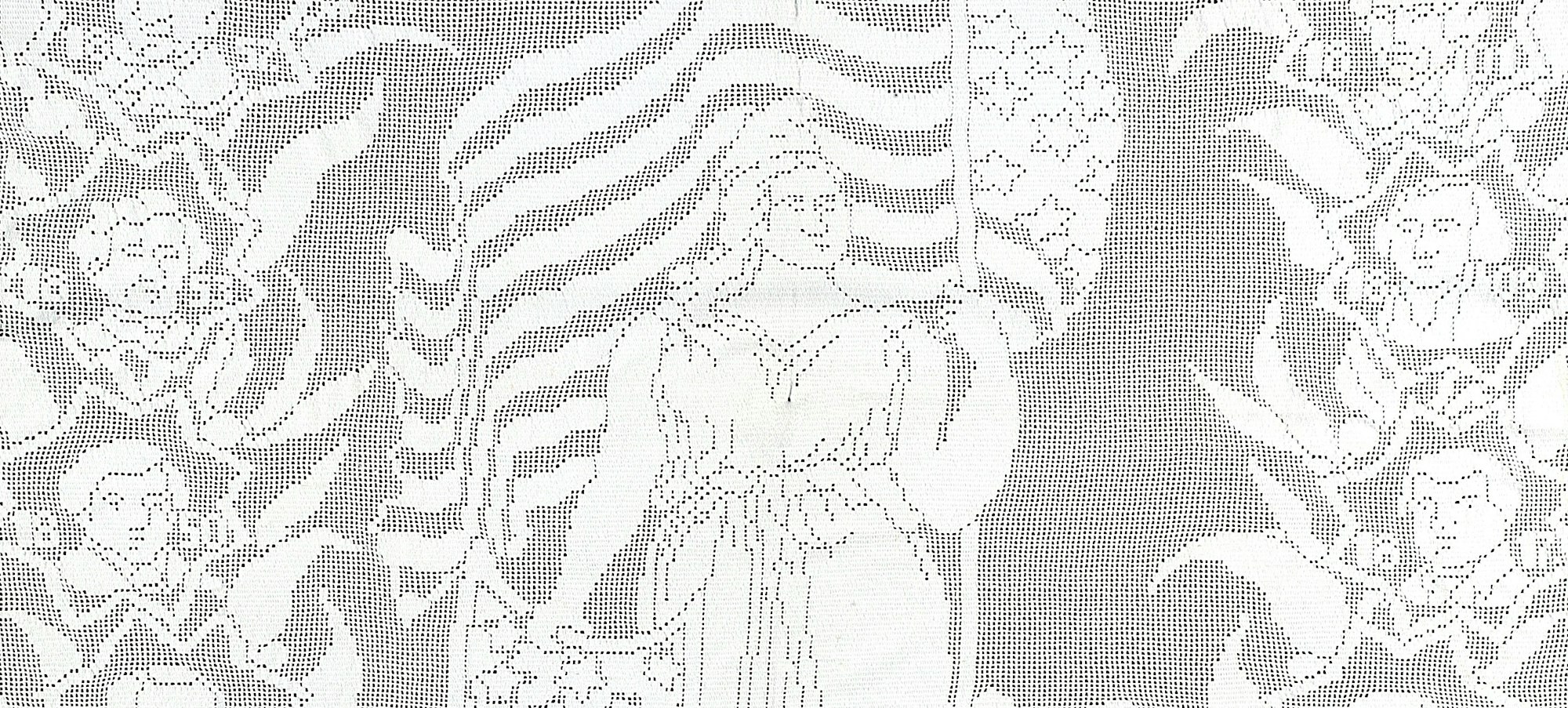
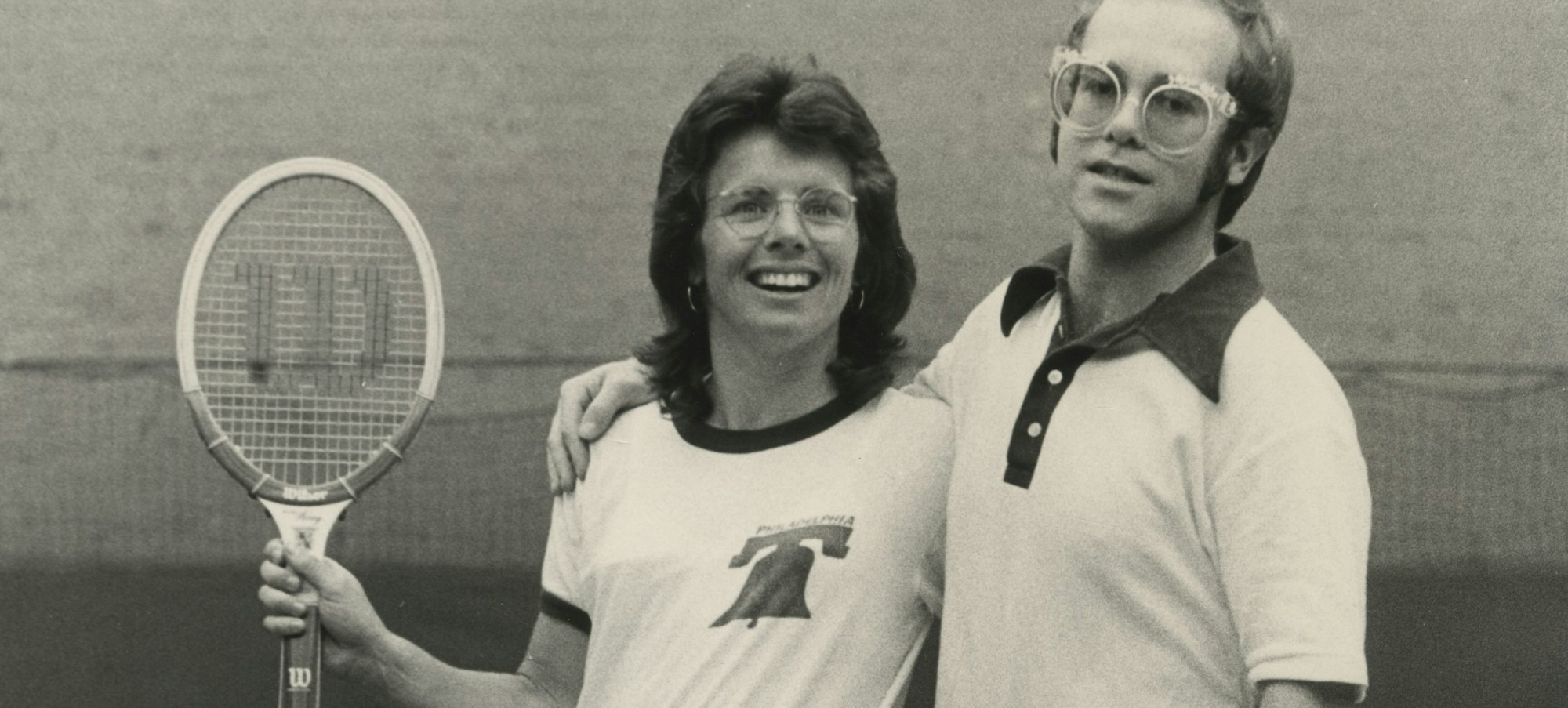
In 1976, in the aftermath of the Vietnam War and Watergate, the Bicentennial sparked debates over how to remember the Revolution. In contrast to the fashions inspired by the Sexual Revolution and the nascent women’s liberation movements, Colonial Revivalism presented a white, romanticized, and domesticated view of women’s lives in the Revolutionary era. Through sewing patterns and costumed dress, women were encouraged to embody a particular version of 1776. This installation features a Colonial Revival dress produced and worn for the Bicentennial, along with sewing patterns popular at the time. Curated by Tessa Bangs, Mellon Foundation Postdoctoral Fellow in Women’s History and Public History
Exhibitions at The New York Historical are made possible by the Saunders Trust for American History, the Evelyn & Seymour Neuman Fund, the New York City Department of Cultural Affairs in partnership with the City Council, and the New York State Council on the Arts with the support of the Office of the Governor and the New York State Legislature. WNET is the media sponsor.



Media sponsor: