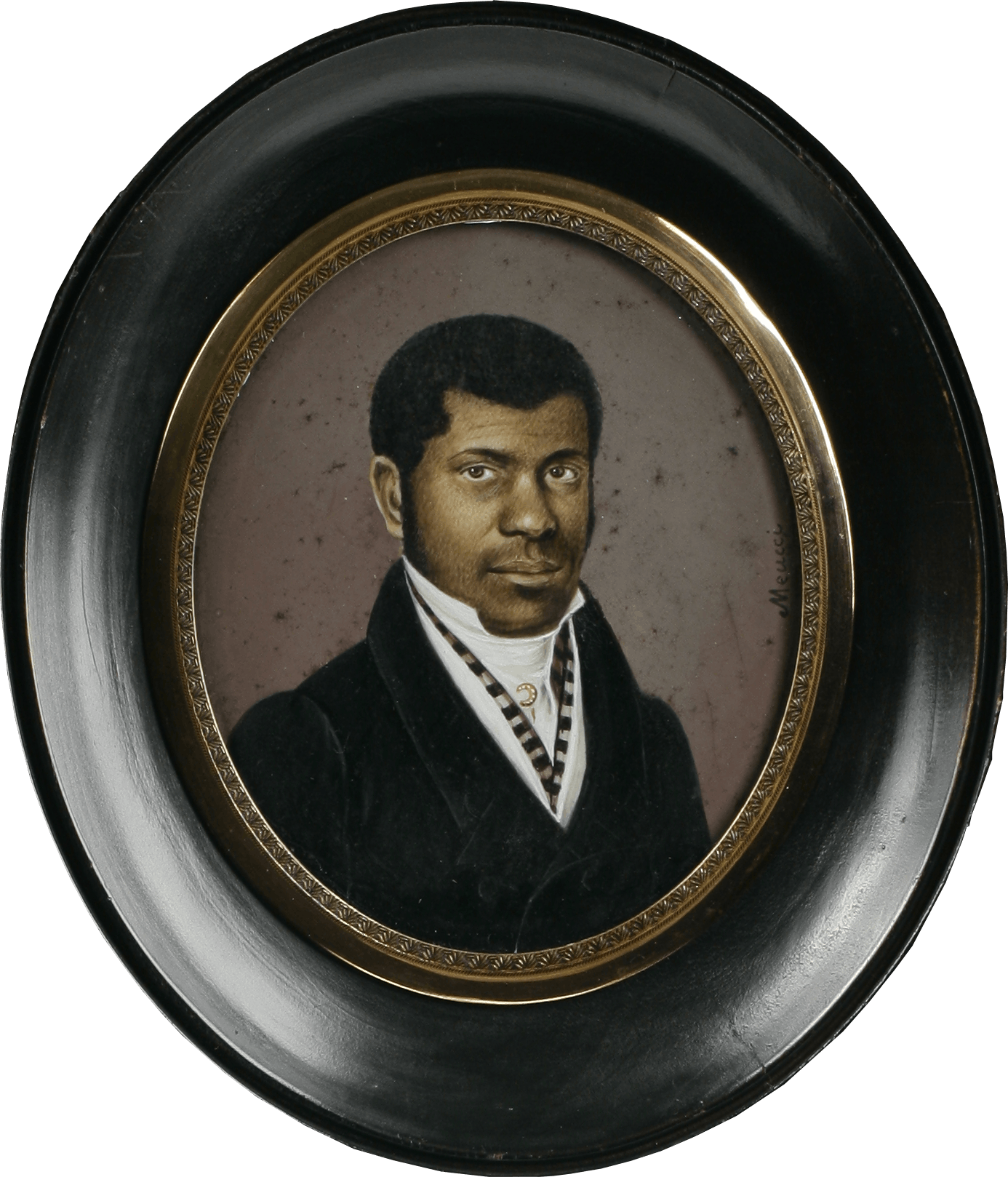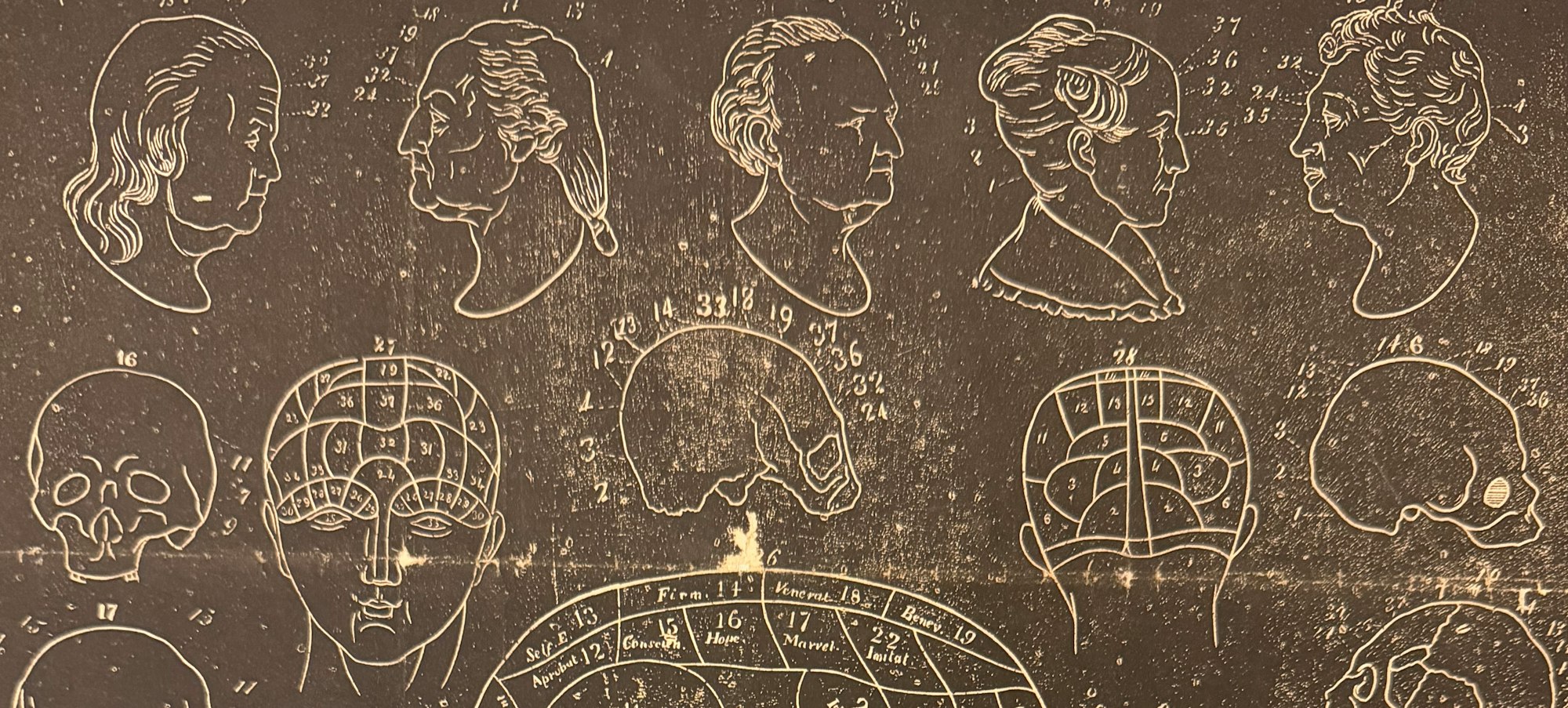
Imagine it's early spring in the year 1860. The newspapers are full of stories about the Massachusetts shoemakers' strike, and a consequential presidential campaign is just getting underway, with a relatively obscure politician named Abraham Lincoln earning accolades for a speech delivered at Cooper Union in New York.
But then, in late March, the public's attention is captured by the discovery of a blood-splattered ship, abandoned and adrift in New York Harbor. From there, the story moves quickly: three victims are identified, then a possible perpetrator. Evidence, in the form of stolen goods, is discovered in his possession. An indictment is secured, and by May, the prisoner—Albert Hicks—is on trial for piracy on the high seas. The jury takes only seven minutes to declare him guilty. The sentence is death, and Hicks is sent to the gallows on July 13. As one might expect in the golden age of New York's "flash press," sensational headlines and shocking details accompany the entire sordid saga.
However, there was one event recorded during Hicks's final days that might strike modern readers as bizarre: on June 29, two weeks before his execution, Hicks was escorted to 308 Broadway where his head was scrutinized by Lorenzo Niles Fowler, Professor of Phrenology. Upon concluding the examination, Fowler wrote of Hicks (in a pamphlet that was published and hawked to the 12,000 avid spectators who gathered to watch his execution):
"The crimes that he has been led to commit, are full as much the result of a want of the right kind of education, as from his natural organization. He has strong passions, and an unbending and headstrong will; but with proper culture, and good circumstances, he would, most likely, have used his energy and talents in a way to secure success and respectability, instead of warring upon the rights and interests of his fellow men."
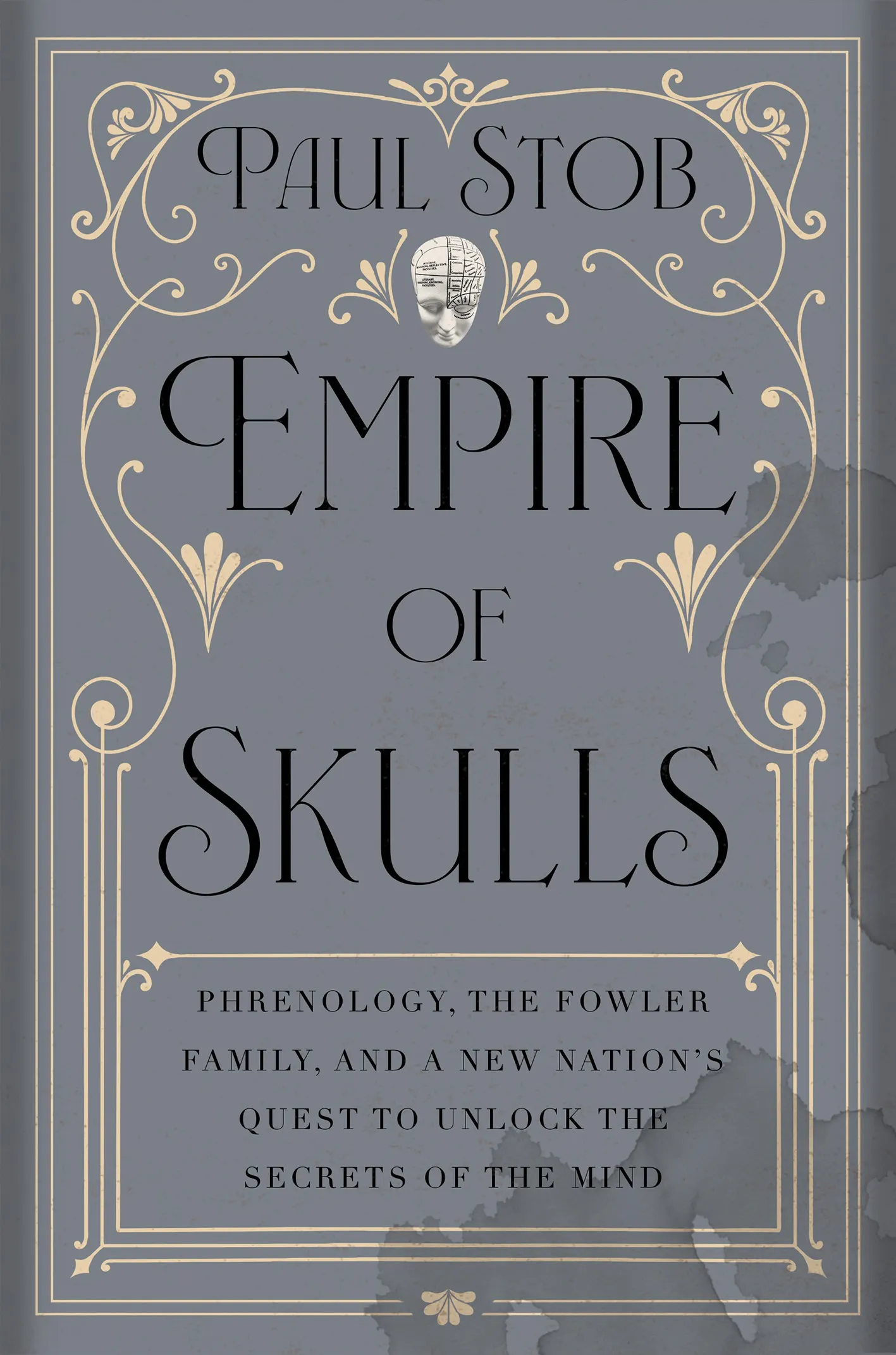
With this anecdote, Paul Stob, professor and program director at Vanderbilt University, begins Empire of Skulls, his eminently readable reassessment of phrenology in the 19th-century United States. Ranging over the history of science, a history of celebrity, and the history of architecture (and with a healthy dose of women's history into the bargain!) Professor Stob argues that American phrenology's insistence on self-knowledge and self-improvement reflected the aspirations—and limitations—of the antebellum United States, many of which still resonate with us today. We are incredibly grateful to Professor Stob for taking the time to answer some of our questions about his work.
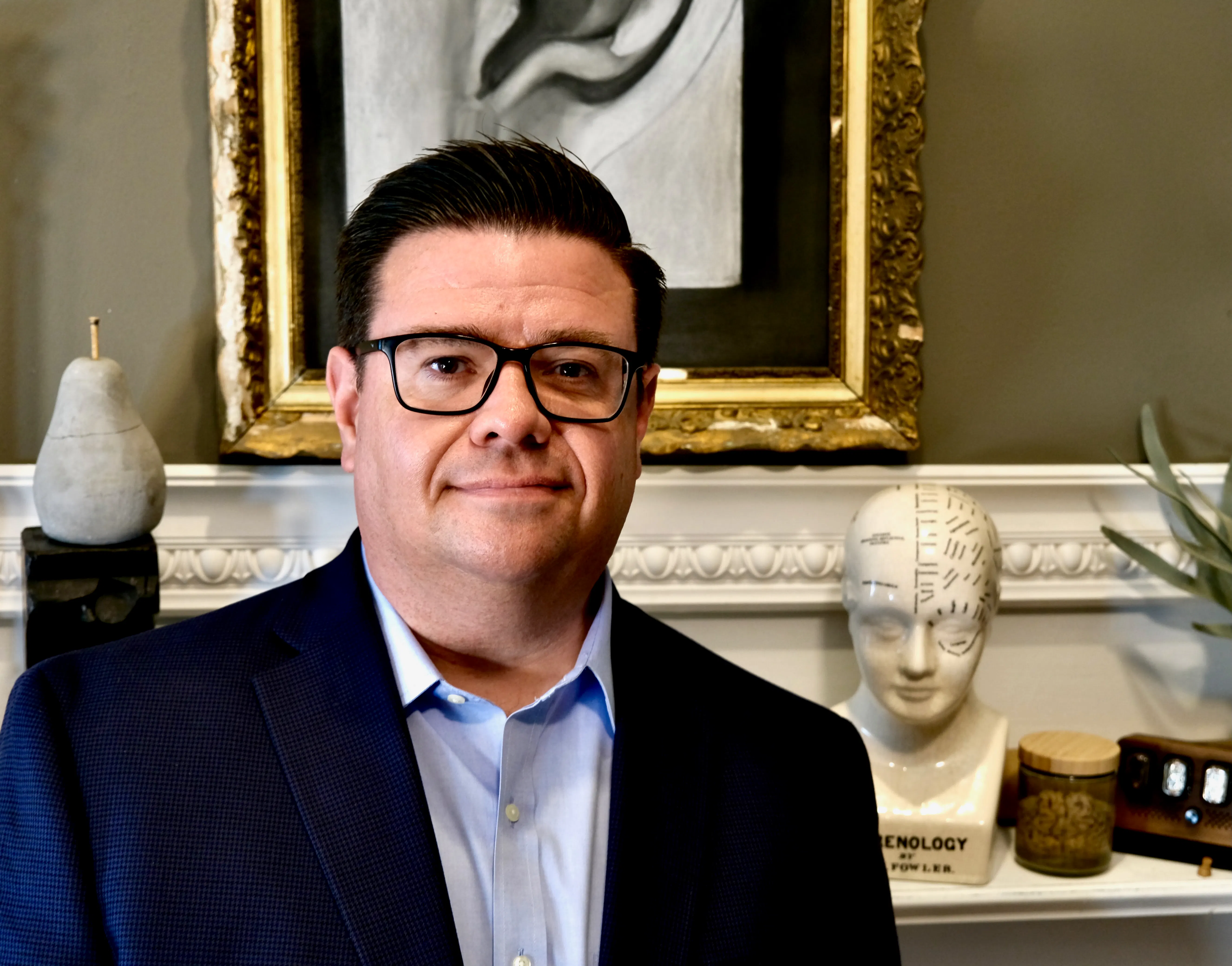
Courtesy of the author
You really start your book off with a bang; the prologue opens with a grisly triple axe murder (committed by the last person ever hanged for piracy in New York) and continues with what might be the world's most apropos quote from The Simpsons, courtesy of the inimitable Waylon Smithers: "Uh, sir, phrenology was dismissed as quackery 160 years ago." This is one generally accepted understanding of phrenology; another is that phrenology enabled the formulation of a racial hierarchy that justified white supremacy and all manner of harmful stereotypes. Given the historical baggage that phrenology carries, what made you decide that it warranted a second look—a closer cranial examination, if you will?
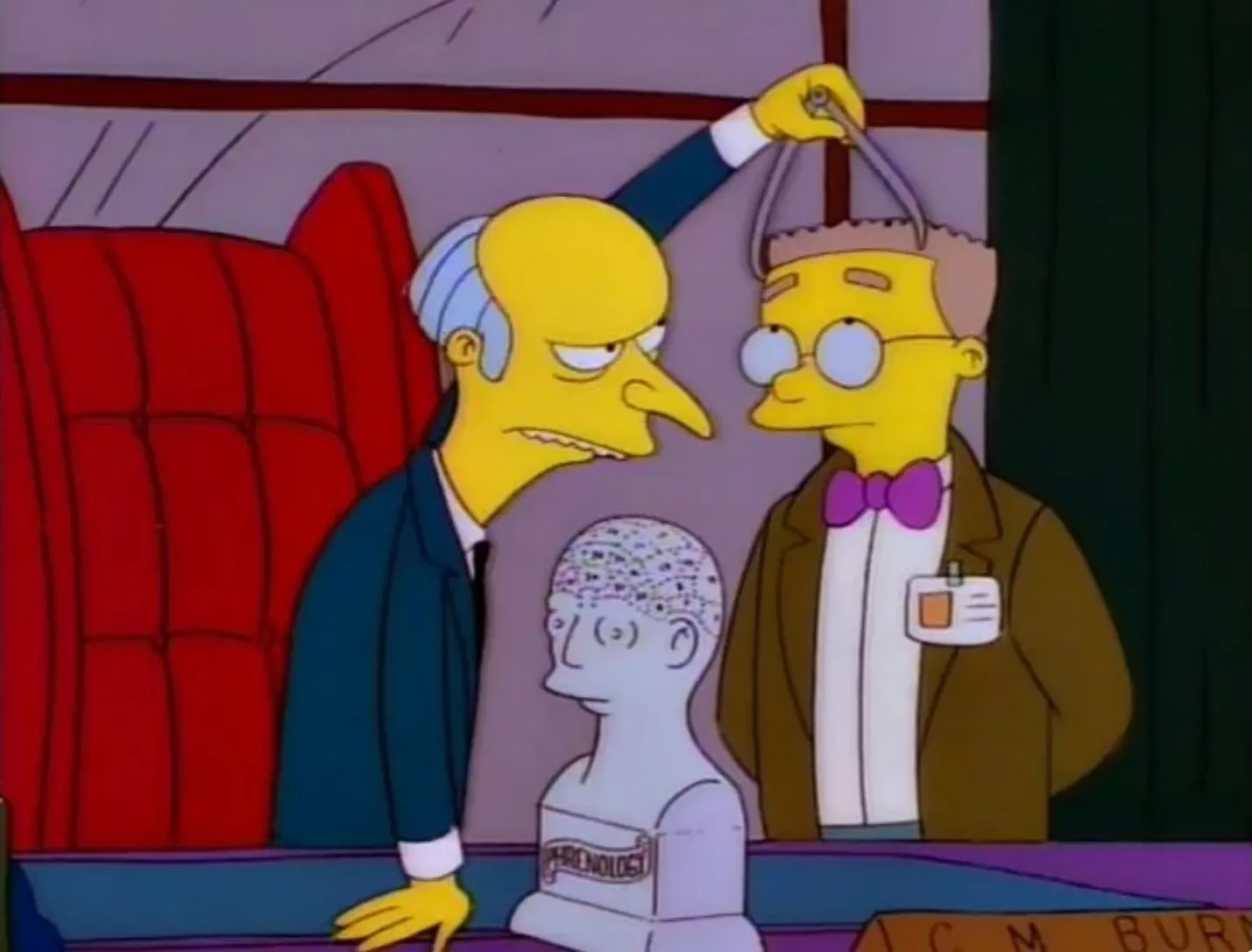
"Mother Simpson," The Simpsons, Season 7, episode 8, aired Nov. 19, 1995. Image via Reddit.
First, I love that the Simpsons quote connected with you! It has lived in my head for several decades, and that's really what got me interested in phrenology in the first place. I have always been drawn to quirky Americana, and Mr. Burns is a repository of quirky Americana. Once I heard him mention it, I knew I should dig into it.
At the same time, I'm a scholar of the history of ideas—and specifically the ways that new ideas become popular, move through society, and get people to think differently about their world. Phrenology is an idea that took the nation by storm and got people to reconsider what they thought about some of the deepest issues facing the nation. Of course, I didn't know all of that when I started researching the book. I did know about phrenology as a joke, thanks to the Simpsons, and I knew about phrenology's incredibly problematic racial history and baggage, just given its general reputation.
But as someone interested in the past, I suspected that there was more to phrenology than we typically remember. It was incredibly prominent in the 19th century, simply judging by the number of references to it in scientific literature and public culture. But I also know that it's easy to miss the complexity of history. We inevitably flatten out the past. I wanted to thicken our understanding of a science that captivated the nation at a pivotal time in history, the decades before the Civil War. As soon as I dove into research for the book, I knew there would be a lot to say about a science that was not fully reducible to a gag or to bigotry—even though both humor and racism are definite parts of the story of phrenology.
I had not known prior to reading your book that phrenology has surprisingly deep European roots. Could you give us a quick overview of how the field developed, and the ways in which it changed upon arrival in the United States—and specifically, how the Fowler family's interventions altered phrenology's trajectory?
Phrenology was "discovered" by a German physician named Franz Joseph Gall in the final two decades of the 18th century. Phrenologists always liked to say "discovered" instead of "founded" because Gall discovered a natural science; he didn't create something new.
Anyhow, the story of discovery goes like this: When Gall was a schoolboy, he noticed kids in class who had eyes that were set widely on their head—saucer eyes, as he called them. These same kids also had incredible memory for verbal material. They could recite long passages after only hearing or reading the texts once. Over the years he noticed more kids with wide eyes and great memories, then began to wonder whether there was a correlation between external physical characteristics and internal mental abilities. That's when he started cataloguing thousands of examples of what people looked like and of what kind of person they were.
Gall eventually developed his research into a theory that he called "organology," and he started to lecture about it across Europe. Early in the 19th century, he was joined by a young medical student, Johann Spurzheim, who became Gall's trusty sidekick and helped to spread organology across the continent. In general, nonscientists were fascinated by it, but established scientists were both curious and cautious about accepting it without more evidence.
Beginning around 1820, word of organology made its way to the United States, often via young American medical students studying in Europe. Then things really took off in 1832 when Johann Spurzheim made plans to visit the US and to spread the theory, which he now called "phrenology," across the nation. Unfortunately, only a couple of months after arriving in the US, Spurzheim became ill and passed away.
That's when the young Fowler siblings—Orson, Lorenzo, and Charlotte—got involved with phrenology. None of them were trained in science, beyond what the brothers learned at Amherst College. Orson and Lorenzo were actually studying to be ministers. But they saw in phrenology a tremendous opportunity to change the world.
The opportunity was due to the supposed "democratic revolution" sweeping the nation. And that's where the Fowlers made their biggest contribution to phrenology, turning a scientific theory into a social, cultural, and business phenomenon steeped in the promises of democracy. In Europe, especially under Gall's stewardship, organology was a way of capturing a person's inner nature, which was treated as largely static. The mental dispositions you had when you were born laid out your life trajectory. But the Fowlers believed something different. Phrenology captured a person's inner nature, they maintained, but it also instructed that person on how to improve. Change and progress were always possible, according to the Fowlers. In fact, people could literally grow their brain and alter the shape of their head based on different mental exercises—thinking more in one direction and refraining from thinking in another.
This was a perfect way to blend the science with the democratic spirit of Jacksonian America. No matter where you started life—even if that was in the chains of slavery—you could improve yourself, so long as you had the freedom to do so. In many ways, American phrenology, which the Fowlers called "practical phrenology," was an early self-help movement, perfect for a nation ready to improve itself.
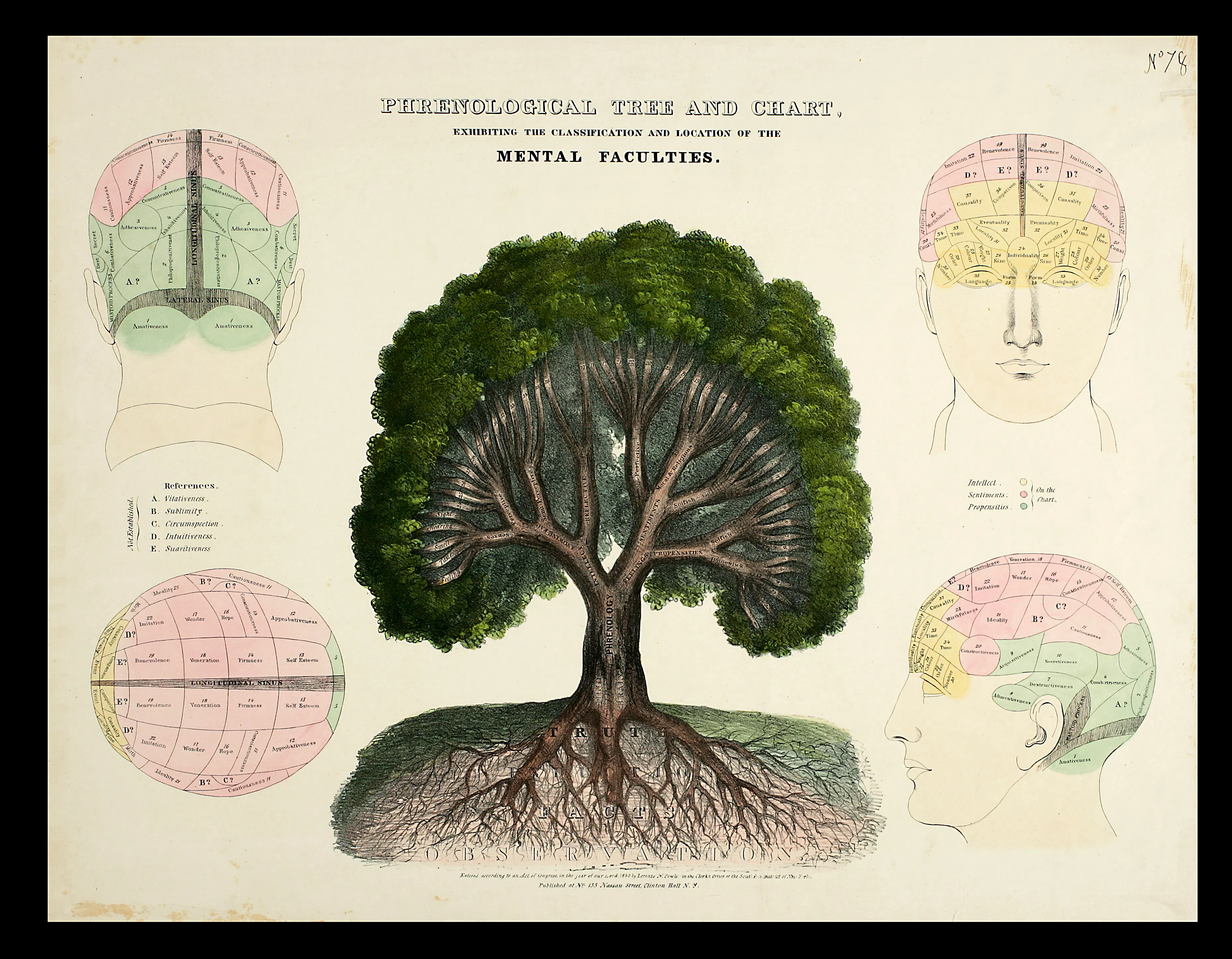
Lorenzo Niles Fowler (1811–1896). Phrenological Tree and Chart, ca. 1840. Patricia D. Klingenstein Library, The New York Historical
Obviously the extended Fowler family is central to the story that you unfold—the siblings Orson, Lorenzo, and Charlotte, but also Lydia Folger Fowler, who married Lorenzo, and Charlotte's husband, Samuel Wells. This close-knit group built a business that encompassed periodicals and publications, nationwide lecture tours, and the Phrenological Cabinet, antebellum New York's second-most-visited attraction. How did they pull it off? And, at a time when women did not have the vote and married women especially had very limited contractual, legal, and financial agency, what roles did Charlotte and Lydia play in constructing the Empire of Skulls?
The Fowler siblings, their spouses, and their close associates created their business through a lot of hard work. It was a real story of sweat equity, with Orson and Lorenzo regularly traveling the nation (extremely difficult and taxing at the time) to lecture and read heads and with Charlotte maintaining operations in New York. It's also true that the Fowlers seized every opportunity they could to insert the science into the major reform movements captivating the nation. They turned phrenology into the intellectual glue that connected abolitionism, suffrage, prison reform, education reform, new religious movements, utopian societies, and various health initiatives, which were all the rage at the time.
None of it could have happened without the brilliance of Charlotte Fowler and Lydia Fowler Wells. Charlotte and her husband, Samuel Wells, ran the business side of the Fowler empire. In fact, Charlotte ended up running the business for far longer than her brothers, given that they stepped away around the start of the Civil War. Charlotte and Samuel were responsible for turning an upstart publishing firm into one of the nation's premier publishing houses. For her part, Charlotte oversaw day-to-day operations, managing a team of well over a dozen people and ensuring that the firm produced and shipped out tens of thousands of books and periodicals every month. The money the firm made was thanks in large part to Charlotte and Samuel.
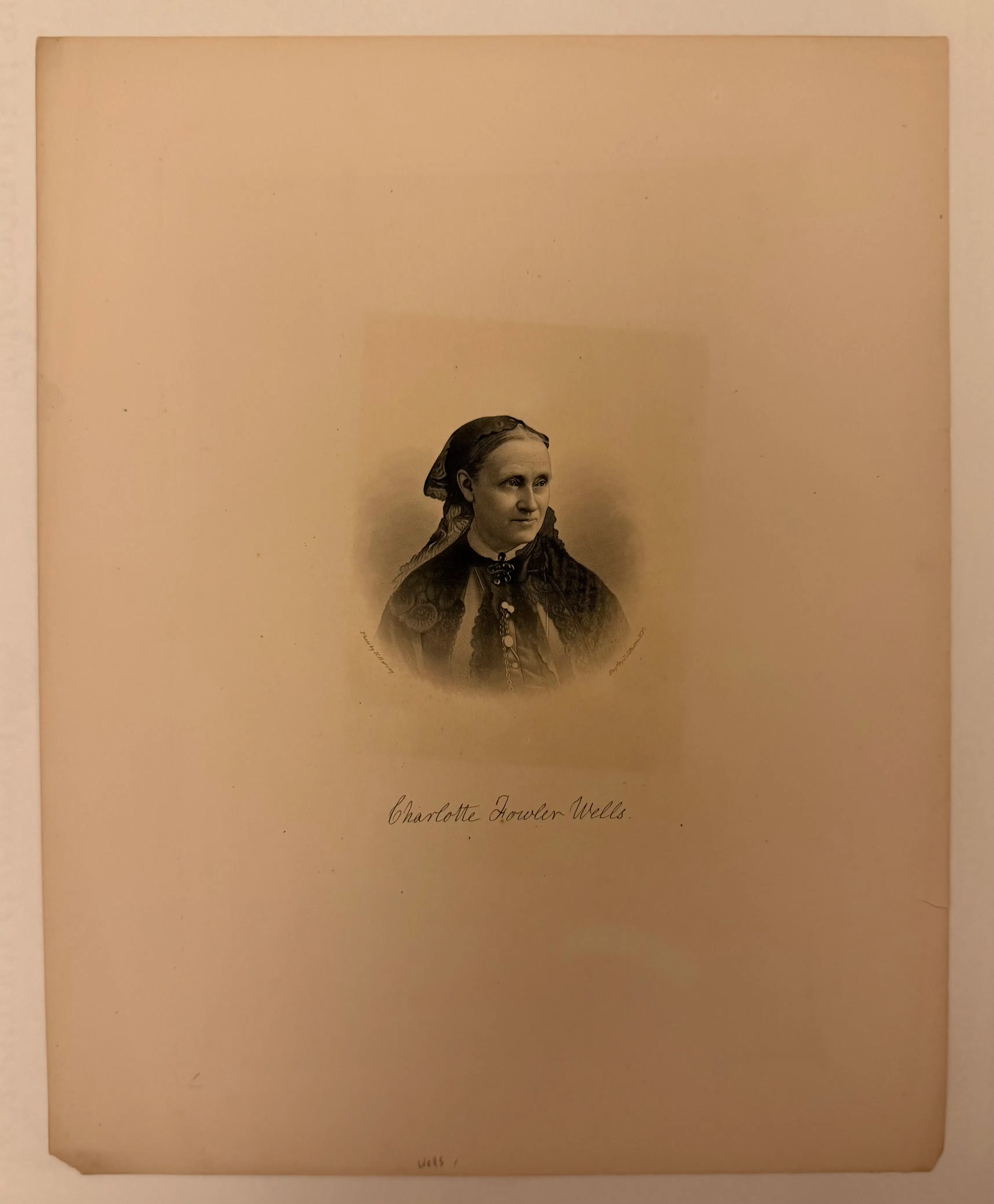
Charlotte Fowler Wells (1814–1901), probably ca. 1875. Engraving after a photograph by Napoléon Sarony. Patricia D. Klingenstein Library, The New York Historical
Lydia Fowler, wife of Lorenzo, really deserves her own biography. She was a pioneer in the medical field, becoming the first American woman to receive a medical degree (Elizabeth Blackwell, the first woman to earn a medical degree, was English by birth) and the first female professor of medicine in the nation's history. She also published some incredible books designed to connect phrenology with women and children. Her trailblazing work in medicine gave her a prominent vantage point when it came to advocating for women's role in society and pushing for women's rights. She was a close friend of Susan B. Anthony and Elizabeth Cady Stanton, along with many other suffragists and abolitionists, and her experience greatly enhanced the scientific respectability of various reform efforts.
Because the Fowlers proffered phrenology as a way to address many of 19th-century women's most pressing social issues, from prostitution to suffrage, I'm going to have to borrow a question right from one of your chapter titles: what's sex got to do with it?
I'm delighted that chapter title resonated with you! It's my favorite one. The short answer to the question is "everything." Sex is at the center of the story of phrenology in many, many ways.
First, the Fowlers were committed to gender equality, and the way to get there was through phrenology, which plainly taught that women, given enough opportunity, could rise intellectually, socially, and politically to the same level as men. This was a message that Orson, Lorenzo, Charlotte, Lydia, and many others spread around the nation.
Second, phrenology was the key to ending the blight of sexual exploitation that had plagued humanity and destroyed people's lives for far too long. According to the Fowlers, phrenology held the scientific secrets to stopping men from exploiting women for sexual gratification; it revealed the causes of and solutions to women being forced into sex work; and it detailed the proper steps for cleaning up the sin and vice of 19th-century America. It all came down to the phrenological organ known as "Amativeness," or sex drive. Get that organ in order, and many of the nation's social problems will vanish—or so the Fowlers maintained.
Third, controversies around sex contributed greatly to the undoing of the Fowler empire, largely because Orson seems to have been more "hands on" with his female patients than simply giving them a cranial exam. More on that below.
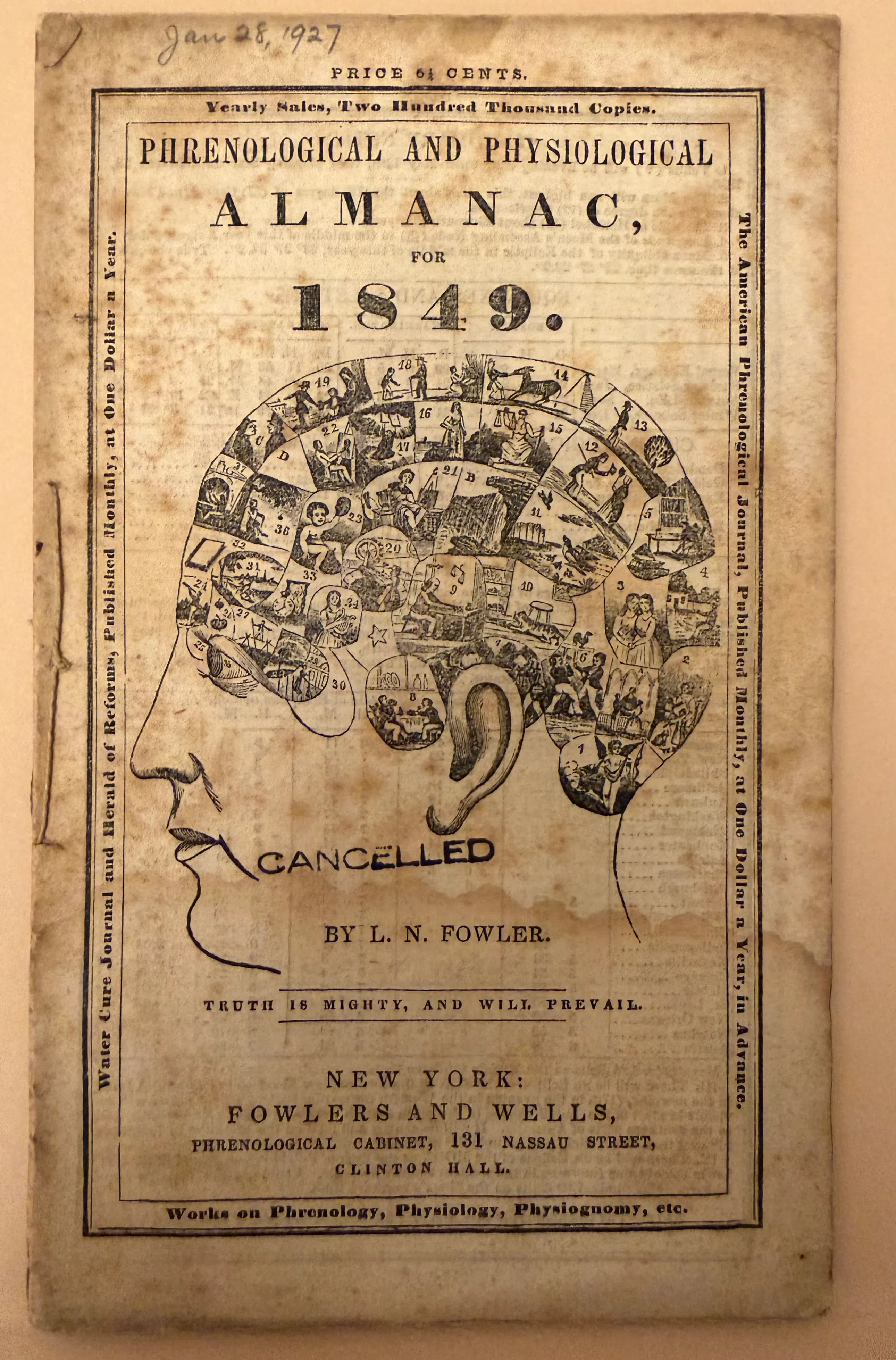
L. N. Fowler. Phrenological and Physiological Almanac for 1849. New York: Fowlers and Wells. Patricia D. Klingenstein Library, The New York Historical
While there were clearly several reasons behind the Empire of Skulls' decline after the Civil War, it seems equally clear that Orson Fowler's focus on sex, sexuality, and sex education was one of them. Can you describe what made his books and lectures so scandalous for their time, and what the public's reaction was like?
When we think about publications from the Victorian era, we probably don't think of sex education. We certainly don't think of the kind of sex education that Orson offered. He believed wholeheartedly that phrenology would revolutionize sex, intimacy, marriage, the family, and so much more. Shortly before the Civil War, he started referring to himself as "nature's apostle," which, in his mind, meant speaking and writing unabashedly about things that were taboo, particularly sex.
Over the years, Orson lectured regularly on sex to "mixed audiences" of men and women. That was enough to give people a mild shock, but he always did so under the guise of a staid medical expert. At the same time, he addressed single-sex audiences about their role in sexual activity, and these lectures were enough to give frigid Victorians a heart attack. His lectures to single-sex audiences were incredibly graphic, replete with unnerving visual aids and often raising the ire of local authorities. He was never prosecuted for obscenity, but he was threatened many times with legal consequences.
Then there was his writing about sex. He published lengthy books (some over 1,000 pages) on the intersection of phrenology, health, and what he called "sexual science." These books talked about the best sexual positions, displayed detailed illustrations of male and female anatomy, encouraged frank sexual discussions between spouses, and celebrated the female form in ways that were unheard of at the time. Orson wanted to make talk about sex frequent, public, unabashed, and exhilarating.
Many Americans praised his sex-education efforts. His books on sexual science sold well, with Orson even claiming (without real evidence) that millions of women cherished his work as much as they cherished the Bible. And his lectures were well attended, even up to the time of his death.
But it turns out that Orson's sex talk may have gone further than just talk. Late in his career, his former business manager accused him of illicit relations with female "patients," and claimed to have stacks of documentary evidence to prove his lecherous ways. That evidence never came to light, so we don't know exactly what was in it, or if it even existed. But we do know, based on court filings, that sexual impropriety was a leading factor in Orson's divorce from his second wife. She claimed infidelity on his part, and he claimed the same about her. There's enough smoke around these accusations to believe that some kind of fire was burning.
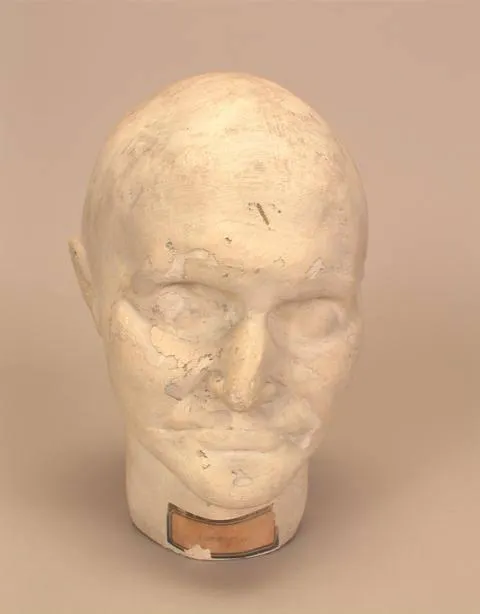
Death mask of Aaron Burr (1756–1836), ca. 1836. Painted and overpainted plaster. The New York Historical Purchase, 1946.348
By the time of Aaron Burr's death in 1836, brothers Orson and Lorenzo Fowler were already lecturing and writing books on practical phrenology. This plaster cast, taken on Burr's deathbed, was displayed in their Phrenological Cabinet—an institution that expanded upon their original Phrenology Room, which opened around 1837 in New York City's Clinton Hall. The head of the former Vice President (and Alexander Hamilton's killer) was said to reveal his tendencies towards secretiveness, destructiveness, and "sensual indulgence."
I had a lot of fun reading this book—was it fun to write? Was there anything you uncovered during your research that you found especially fascinating? Conversely, was there anything that you found in the history of phrenology that was particularly disturbing or disquieting?
Wonderful! I'm thrilled that you had fun reading the book. It was definitely fun to write. Because of how expansive and pervasive phrenology was in the decades before the Civil War, it gave me the opportunity to tell stories about pirates, murderers, ghosts, statesmen, entertainers, artists, healers, reformers, and many leading Americans of the day.
A big part of crafting the narrative of the book was making choices about what to leave out. I could have written entire chapters, for instance, on the way phrenology contributed to the founding of public education in the United States, to various prison and institutional reform movements, and to an industry of copycat phrenologists who tried to piggyback on the success of the Fowlers. But ultimately I needed to tell the story of the Empire of Skulls, which meant staying as close to the Fowler family as I could.
Probably the most fascinating thing I uncovered in my research were the endless stories about how the Fowlers gave phrenological readings and perfectly described the character of the person they were examining. This is strange, because we know without a doubt that phrenology is wrong. It is not an accurate depiction of the brain and the mind. Nevertheless, the Fowlers gave phrenology readings in cities and towns across the country and delivered tens of thousands of "hits"—times when their assessment perfectly hit the mark of the person. At times, these "hits" could be chalked up to the kind of "cold reading" methods that allow psychics to deliver uncanny messages from beyond the grave. But that doesn't account for all the hits.
The Fowlers were often blindfolded and asked to provide character descriptions of the person in front of them. They did so brilliantly, with the audience applauding the accuracy of their characterization. What's more, Orson and Lorenzo often traveled together and were asked to examine the same person at different times, first with one brother out of the room, then with the other brother out of the room. Each brother would produce a written account of the person being examined, and then those accounts would be compared. The vast majority of the time, the written accounts matched.
Then there were times when the brothers were tested in their exams of vagabonds, prisoners, and insane people. The test came when local townspeople tried to fool the brothers by inserting "respectable" citizens into the group of people being examined. Though the brothers didn't know respectable people had been inserted, they regularly pointed to heads that should be in the group, distinguishing the respectable citizens from the "lesser" people. To this day, I have no good explanation for the many times the Fowlers triumphed over the tests they were given.
In terms of particularly disturbing or disquieting issues, my research didn't turn up anything new. But it did turn up reminders of the very real issues that define the history of phrenology. There are racist elements to the science that we cannot overlook. Simply paging through some of the Fowlers' books and periodicals will surface illustrations and passages that are blatantly racist. Phrenology is definitely not a part of the past we can turn to for proper understanding of people and races. But it's interesting to put the racist aspects of phrenology next to the fact that the Fowlers were committed abolitionists and inspired countless other abolitionists to accept the science, including radical Black abolitionists like Martin Delany. Delany, the father of Black Nationalism, was a proud phrenologist who greatly respected the Fowlers and saw the science as a pathway to progress for African Americans.
It's also important to remember that phrenology played a big part in the global "skull trade" of the 19th century. Because science at the time valued the possession of skulls, especially the skulls of people from far-off lands, there emerged some strong incentives for people to acquire human remains by any means necessary. This included robbing graves, pilfering collections of bones, often from marginalized communities, combing battlefields for the heads of dead soldiers, and more. There's no evidence that the Fowlers directly participated in grave robbing and similar activities, but they certainly benefitted from the artifacts of the nefarious skull trade. The remains of exploited peoples ended up in their collection, and we can't lose sight of that.
As I mentioned earlier, history is complicated, the Fowlers were complicated, and phrenology was complicated. But that's why I wanted to write the book. I wanted to tell the story of phrenology in the US and of the Fowler empire in a way that put the complexity of the scientific past on full display.
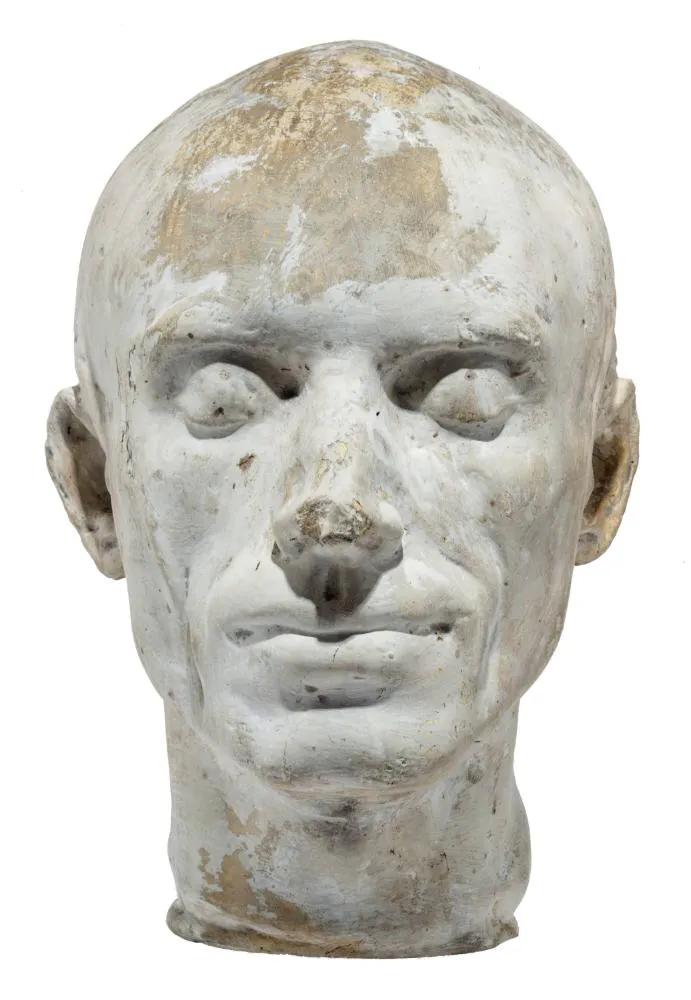
Death mask of Samuel F. B. Morse (1791–1872). ca. 1872. Painted plaster. The New York Historical Purchase, 1946.358
After the deaths of the Fowler siblings, their collection was dispersed. The New York Historical purchased this and 26 other casts from the Fowler's collection at auction in 1946.
Written by Jeanne Gutierrez, Manager of Scholarly Initiatives, Jean Margo Reid Center for Women’s History
Keep Reading
- Women at the CenterNovember 17, 2026
Yuppies: A Conversation with Author Dylan Gottlieb
How did young urban professionals transform New York City in the 1980s? - Women at the CenterNovember 10, 2026
How Levi’s Denim Jackets Helped Fight HIV/AIDS
On November 10, 1986, a fashion show held on the Barneys staircase offered a new model for funding HIV/AIDS programs. - Women at the CenterNovember 1, 2026
Konwatsi’tsiaienni (Molly Brant), Haudenosaunee Women’s Diplomacy, and the American Revolution
Historian Maeve Kane discusses Konwatsi’tsiaienni (Molly Brant)'s Revolutionary War diplomacy and the challenges of recovering Native women's histories from surviving sources. - Women at the CenterOctober 31, 2026
“More Than Witches Would Fly That Night”: Queer and Trans Femme Histories of Halloween
Years before the 1969 Stonewall Uprising, Halloween celebrations empowered and inspired queer and trans femme people, giving them the freedom to dress as they chose.