Today, Manhattan's Upper West Side—home of The New York Historical—is one of the most affluent and expensive neighborhoods in New York City, and, for that matter, the country. But for much of the latter half of the 20th century, the Historical’s surroundings looked very different. In 1961, a New York Times reporter condemned the neighborhood as a “ghetto of sociopaths,” marred by unemployment, overcrowding, drug abuse, and despair. Landlords subdivided townhouses to accommodate an influx of Black and Puerto Rican migrants who sought work in industries that were rapidly departing for the Sunbelt and eventually moving offshore.
Urban historian Dylan Gottlieb’s new book offers insight into how the neighborhood transformed into what it is today. Yuppies: The Bankers, Lawyers, Joggers, and Gourmands Who Conquered New York maps the history of New York–area neighborhoods, including the Upper West Side, Park Slope, Brooklyn, and Hoboken, NJ, during the 1980s, through the lens of the yuppies—young urban professionals—who flooded these neighborhoods and reshaped them in their image.
As finance overtook manufacturing as the engine of profit in New York and the American economy in the 1980s, corporate law firms and Wall Street aggressively recruited young people from elite universities across the country to power their growing industries. (It was around this same time that the number of women with college credentials began rising rapidly; by mid-decade, women had outpaced men in earning bachelor's degrees, and by the end of the 1980s women earned the majority of master's degrees as well.)
Many of these highly-educated yuppies moved to the Upper West Side, where they occupied brownstones that landlords had purged of nonwhite and working-class occupants through arson and other means. When they were not working punishing hours at investment banks and law firms, yuppies dined at sidewalk patios along Columbus Avenue, ate pâté at Zabar’s, and jogged in Central Park. We thank Professor Gottlieb for taking the time to answer our questions about these foot soldiers of gentrification and financialization, their labor, cultural, and urban history, and their role in the transformation of New York.
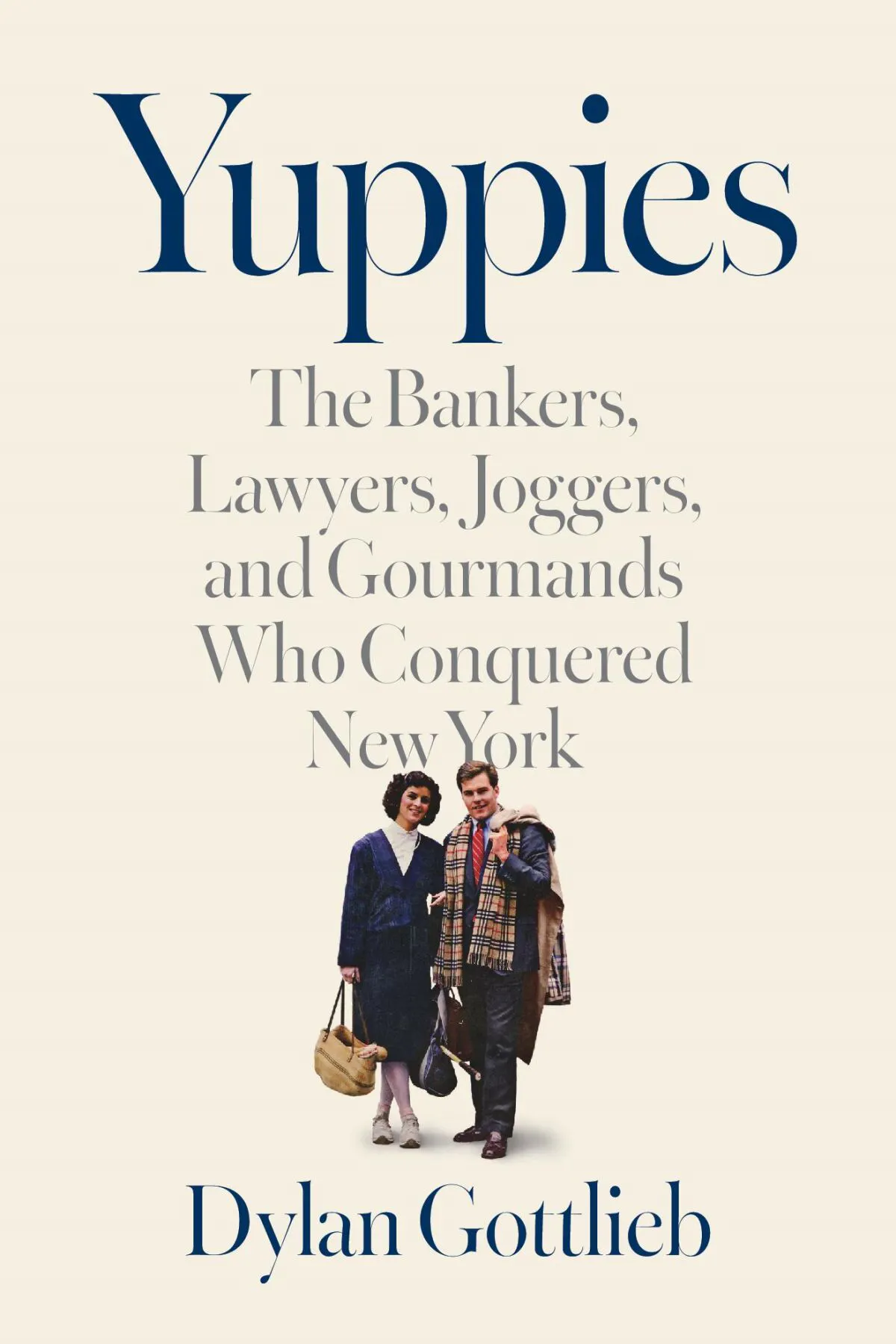
Courtesy of Harvard University Press

Your book uses the figure of the Yuppie to narrate the transformation of the New York landscape from manufacturing, labor unions and New Deal politics to finance, big-moneyed interests and austerity. How did you decide to pick the Yuppie in 1980s New York as your subject? And can you tell us a bit more about how you see the history of the Yuppie encapsulating the social, political and economic transformation of New York City (and the United States) in the 1980s?
There are really two origin stories: one short and funny, and one a bit more substantial. The actual lightning-strike moment came, as all good ideas do, in the shower. “Yuppies—that’s a 1980s stereotype you don’t hear much anymore,” I thought. “Has anyone written their history?”
But the real inspiration came from teaching undergrads as a TA at Princeton, where I did my PhD. At the end of each year, I would ask these incredibly bright and motivated young people where they were headed off to graduation. Perhaps naively, I assumed they’d be bound for glamorous careers: editors at The New Yorker, founders of visionary startups, presidential speechwriters. The reality was much bleaker. Student after student told me they were headed into finance, with a few bold souls venturing into management consulting or tech. I wondered: had it always been this way? How did Wall Street become the default option for (roughly) a third of the graduating class from America’s top colleges and universities?
After many years of research—including some fruitful time at The New York Historical—I discovered that this trend had a definite origin point. Beginning in the late 1970s and early 1980s, as finance moved to the center of the American economy, it began recruiting vast numbers of young people. And those jobs were overwhelmingly concentrated in New York: well over 100,000 new bankers arrived in the city over one decade. In the 1980s, the number of corporate lawyers in the city fully doubled.
The epithet “yuppie” (formed from the terms “young,” “urban,” and “professional”) encapsulates that demographic of expensively-educated, highly-paid workers who flooded New York in the 1980s. Once they arrived, they would utterly remake the city: from its rhythms of work and leisure, to its consumer and restaurant landscape, to its neighborhoods. And they would reorient New York’s political priorities. Municipal leaders believed that attracting yuppies was the best path to urban renaissance. So they worked with other stakeholders—banks, real estate developers, the police—to remake the city in their image.
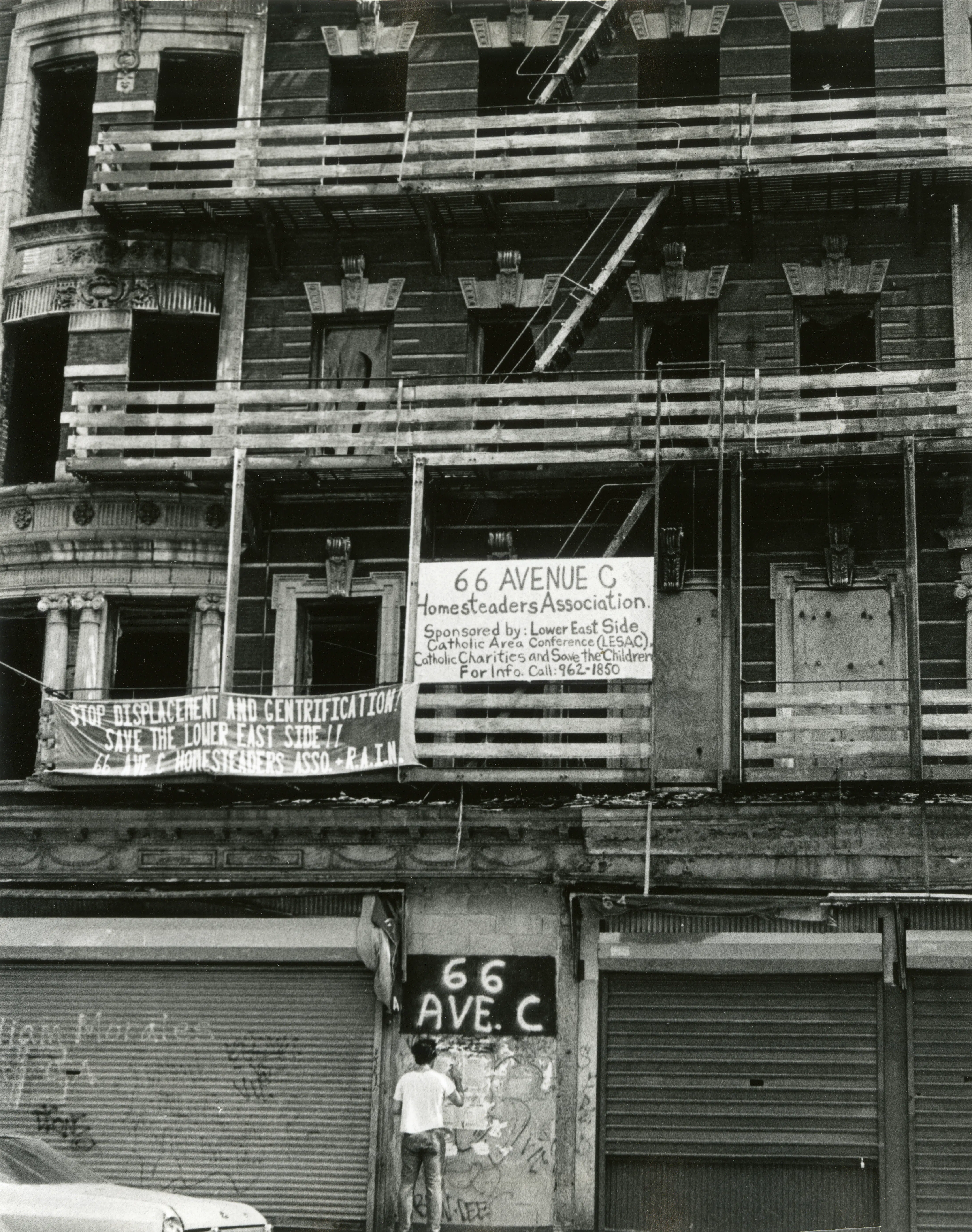
Eugene Gordon (b. 1923), photographer. 66 Avenue C Homesteaders Association, Lower East Side, New York City, 1985. The New York Historical, Patricia D. Klingenstein Library.
The sign on the left reads, in part, "Stop Displacement and Gentrification! Save the Lower East Side!"
Following the suburbanization of industry and residents in the postwar period and the debt crisis of the 1970s, many New York City neighborhoods suffered disinvestment and physical decay. While popular media and politicians credited the Yuppie as saviors who revitalized these neighborhoods, you contest this narrative. Instead, you lay bare the ways in which landlords violently reshaped the urban landscape for this base of well-paid renters and homeowners. Can you speak more about the violence that accompanied the yuppification of NYC urban space?
You’re right. Too often, popular narratives frame well-heeled gentrifiers as heroes whose reinvestment “saved” residential neighborhoods, from Cobble Hill to SoHo to the Upper West Side.
But there was a key difference between the first wave of “brownstoners” and “loft-livers,” who trickled into those neighborhoods beginning in the late 1960s and into the early 1970s, and the yuppies who came later. Middle-class “pioneers” were often deeply committed to living in diverse, working-class areas, and they invested their own capital and vast amounts of time to restore historic buildings to a livable standard. (There’s a wonderful book by Suleiman Osman about this phenomenon in Brooklyn).
But by the late 1970s, two things have changed. One, Wall Street and its related industries began to take off, bringing tens of thousands of residents to the city who could pay much more for renovated apartments as long as they were close to their 70-hour-per-week jobs. And two, the city rolled out incredibly generous tax breaks to incentivize the upscaling of just that sort of housing.
Landlords and developers recognized an incredible potential to profit. There was just one catch: their buildings, from the SROs on the Upper West Side to the five-story tenements of Brooklyn, were filled with poor and working-class tenants.
What followed was a shocking campaign of harassment, violence, and even intentional arson, all aimed at displacing those existing residents and selling their buildings to developers who demand that they be “delivered vacant”—that’s the phrase we see in sales contracts. Old men living in flophouses were kicked out of their rooms in the middle of the night, and the doors were nailed shut behind them. In early 1980s Park Slope, landlords threatened tenants: if they didn’t leave immediately, they would burn them out. In Hoboken, owners hired people to set dozens and dozens of intentional fires, killing 56 residents and displacing thousands more. Within weeks of some of these deadly arsons, developers are at work converting the now-vacant buildings into condos aimed at the yuppie market.
As real estate capital flooded back to New York’s formerly disinvested neighborhoods, this story repeated again and again.
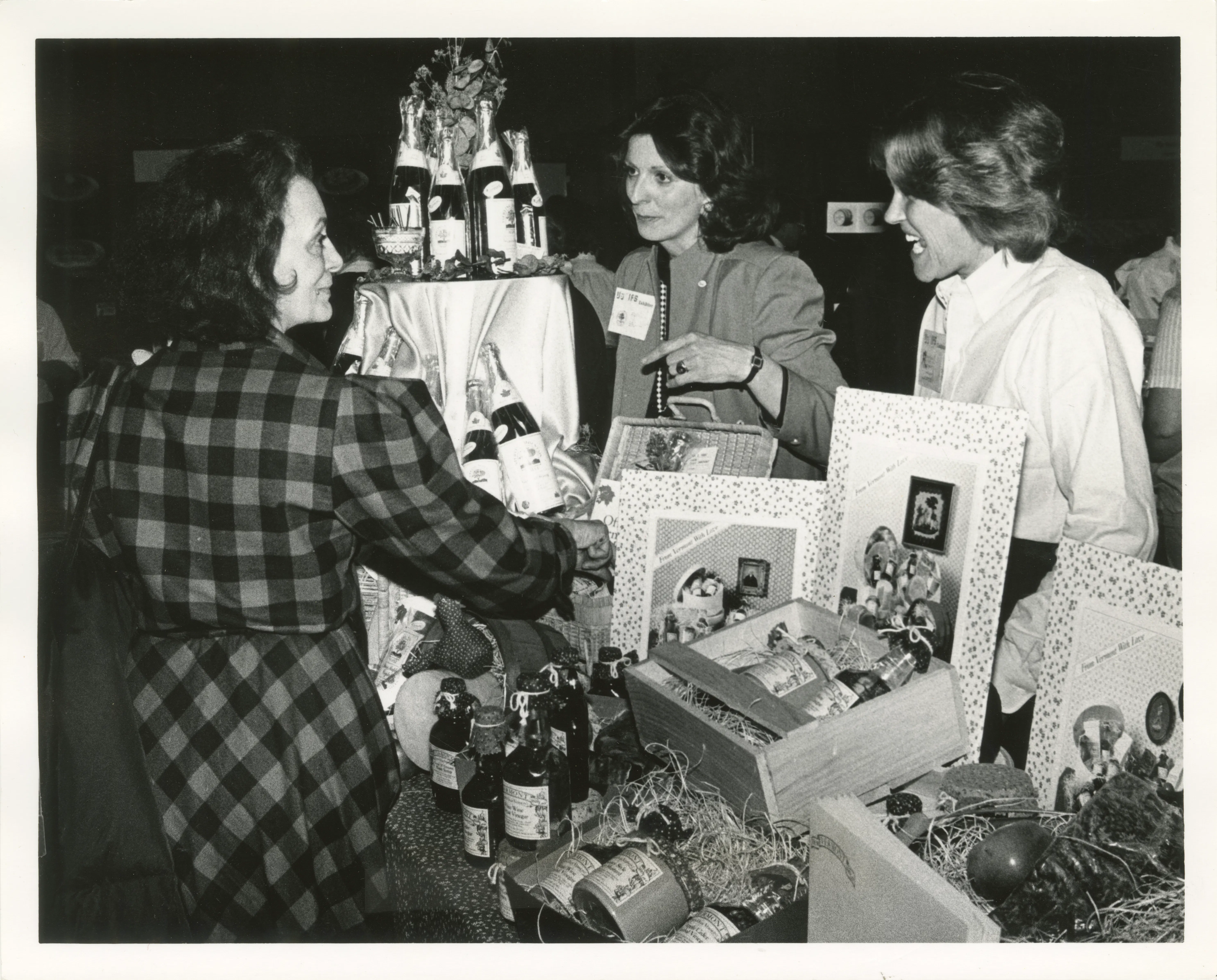
Eugene Gordon (b. 1923), photographer. International Food Show, New York Coliseum, 1985. The New York Historical, Patricia D. Klingenstein Library
Not only do you talk about the relationship of the Yuppie to the changing political economy of the city, but you also delve into the culture and lifestyle of Yuppies with a chapter on their attachment to jogging and another on their taste for Zagat-approved foods like sushi and balsamic vinegar. Can you speak further about the role of Yuppie food and tastes in New York City culture?
Yet again, I explain how a handful of 1980s yuppie stereotypes—brie, Perrier, an obsession with personal fitness—help us understand a wider set of cultural and material transformations.
Yuppies really did seek out consumer activities that demonstrated their discriminating and cosmopolitan tastes (in addition to their high incomes). This was an elite that found itself atop New York’s social hierarchy not by dint of inherited wealth or their family name, but through their educational credentials and their dogged climbing of the class ladder. And they validated that position through what they bought, and how they dated, ate, and relaxed.
This wasn’t the stuffy high-brow consumption of the mid-century WASPS; yuppies accrued the most status by consuming rare, exotic, ethnic, “authentic” foods across the full range of cultural brows. In a preview of what we later would call “foodie” culture, omnivorousness became their way of life. On the weekend, yuppies might go to a Mexican dive that they read about in Gael Greene’s column in New York magazine, or to a northern Italian trattoria that they found in the Zagat Guide—a consumer-review booklet launched by two corporate lawyers in 1979. In an age of surging inequality, taste was how yuppies turned their growing economic capital into cultural and social capital.
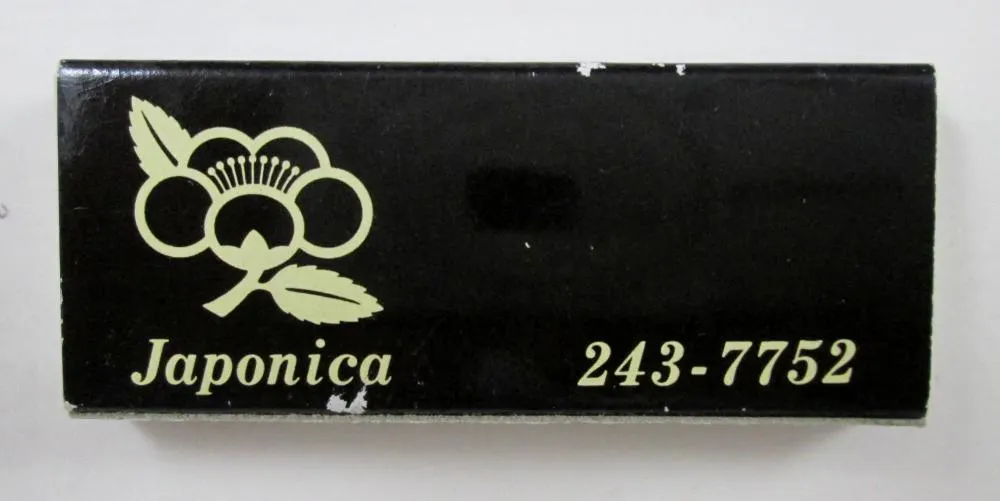
Japonica (1978-2026). Matchbook, ca. 1978. Cardboard, ink, striker. The New York Historical, Gift of Joshua Shapiro, 2007.6.193ab

Admatch Corp., maker. Felidia (1981-2021). Matchbook, ca. 1981. Cardboard, ink, striker. The New York Historical, Gift of Joshua Shapiro, 2007.6.90ab.
Yuppies weren’t acting alone, however. City leaders, real estate companies, and commercial bankers were all interested in boosting the yuppie-led revival, rebranding the city for a wider audience of (they hoped!) middle-class consumers and tourists. So municipal government legalized sidewalk cafes, recasting the streetside as places of leisure rather than transit or work. With developers, it midwifed the conversion of the South Street Seaport into a waterfront-themed mall. And—alongside the Rudin real estate family, the New York Road Runners, and Manufacturers Hanover Bank—it launched the five-borough New York City Marathon. What better way to showcase a city on the rise than a nationally-televised race of thousands of fit yuppies racing through its streets, parks, and bridges? By the early 1980s, tens of millions tuned into the Marathon on TV. They were served a vision of New York remade for and by yuppies.
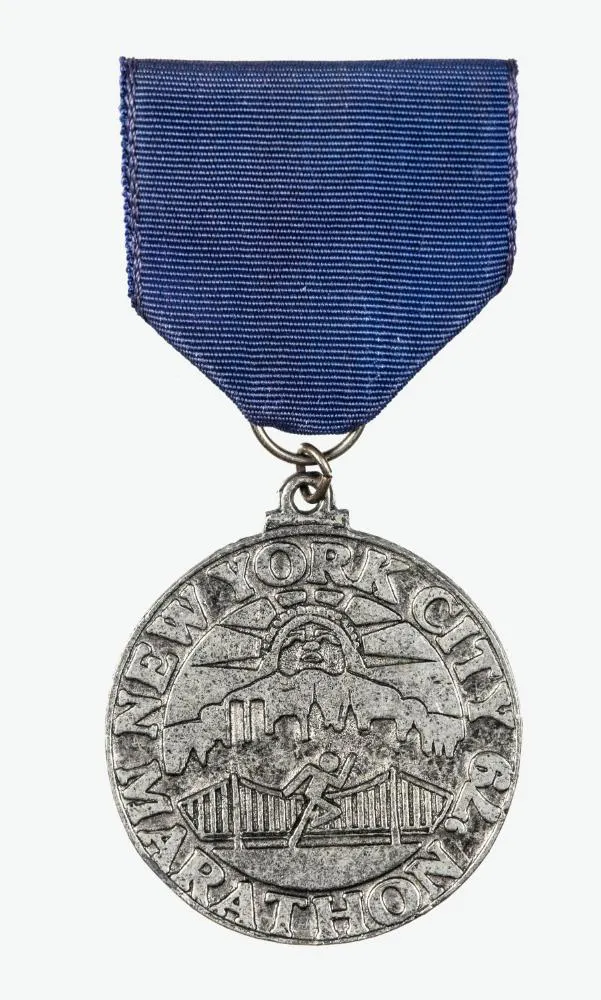
New York City Marathon finisher's medal, 1979. Metal, ribbon. The New York Historical, Gift of Jeffrey Larris. 2024.11.2
For me, this was not just an urban or economic history but a labor history, focused on the transformation of legal and financial work. Labor historians often focus more on blue-collar subjects like Teamsters, longshoremen, garment workers, and other examples of working-class New Yorkers, but you talk about financiers and lawyers who—while earning high salaries—were working up to 100-hour work weeks and even collapsing from exhaustion. Can you speak a little bit about Yuppies as a labor history?
Thanks for recognizing my focus on labor history! Some readers think that I’m merely mocking yuppies, or criticizing them for their financial success. But I am actually quite sympathetic to them as workers facing some of the same dynamics long experienced in the manufacturing sector: deskilling, disposability, and overwork. I wanted to understand how yuppies could simultaneously be worked to exhaustion, producing stupendous profits for their banks and law firms—yet also be among the best-compensated workers in America.
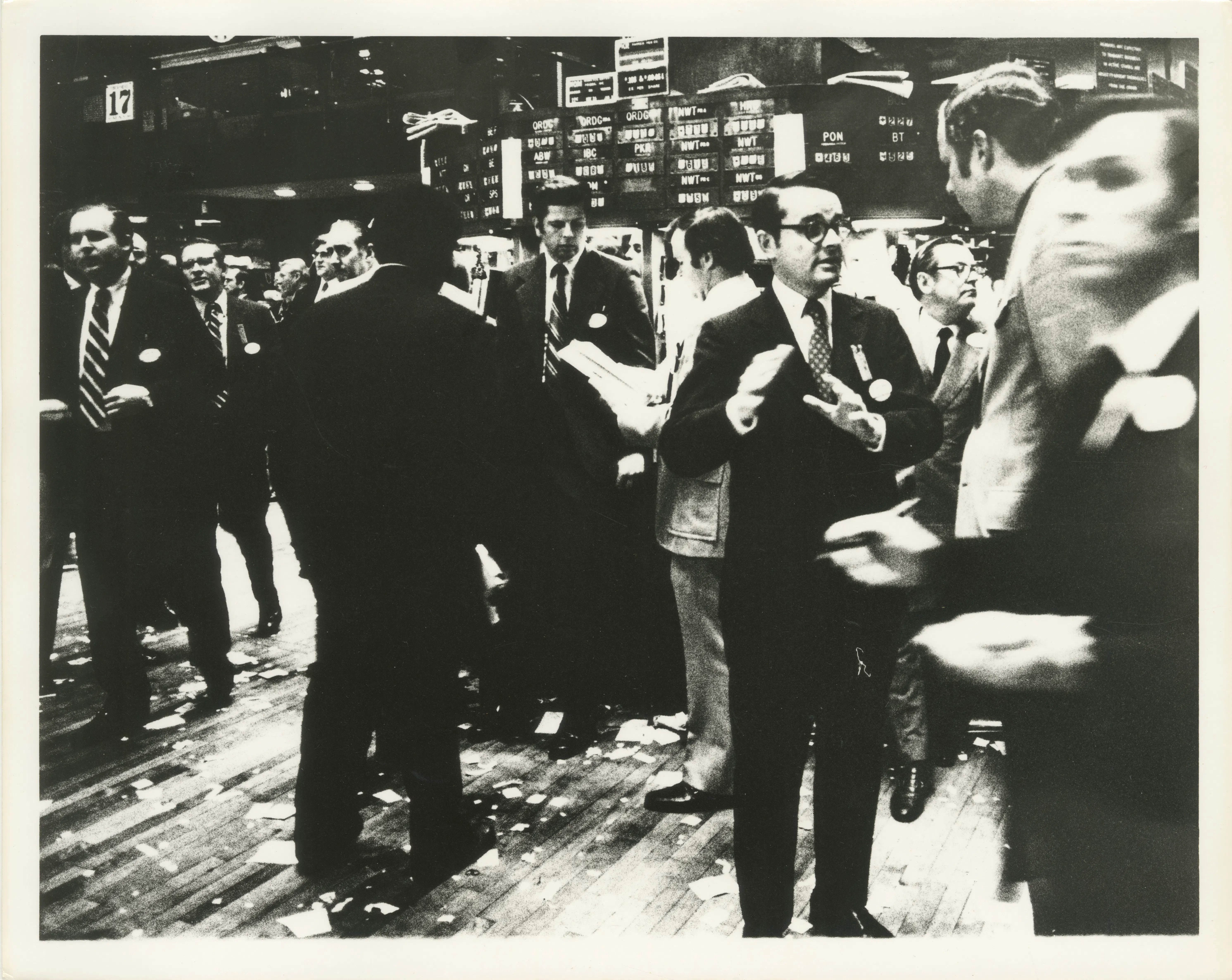
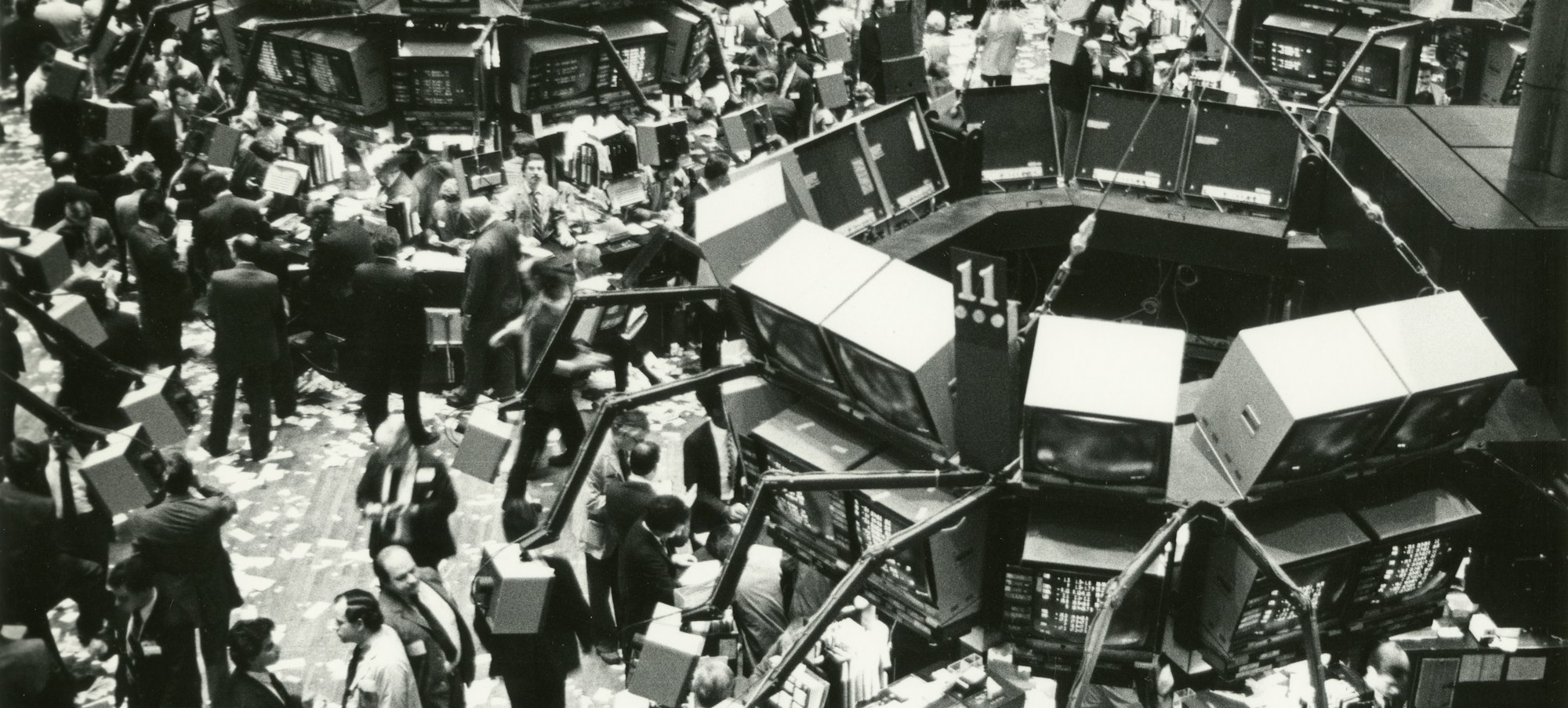
Eugene Gordon (b. 1923), photographer. Trading floor of the New York Stock Exchange, 1985. The New York Historical, Patricia D. Klingenstein Library
What I found is that the rise of high-volume and fast-paced financial transactions transformed law and banking in the 1980s. In New York at mid-century, these were gentlemanly, somewhat staid fields, dominated by a small number of firms led by WASPs and German Jews with social ties to the corporate officers who they counseled. But with the 1980s came a surge in merger and takeover work, which occasioned the mass hiring of new sorts of workers: white-ethnics, women, and, eventually, men and women of color. They and their firms didn’t have those long-standing relationships to America’s large corporations. Instead, they adopted a more ruthlessly transactional approach, chopping up or spinning off or otherwise harvesting value from companies.
Along the way, those upstart banks and firms asked their workers—who, not coincidentally, were more diverse than those that came before—to work many more punishing hours than in the recent past. How did they do it? They mobilized a story about meritocracy. Roger Aaron, a partner at Skadden, which rose to become New York’s most profitable law firm in the 1980s, captured this self-congratulatory discourse. “The notion of meritocracy is built into every thing we do,” he said. “We’re not who we are because of our Social Register rankings. We’re who we are because we do great legal work.”
Working harder and longer, while carrying more debt, with a diminishing chance to make partner: that was the bargain that yuppies made for a shot at upward mobility. But meritocracy talk helped them to square that circle. For the women and minoritized associates just breaking into the professions, the promise of meritocratic advancement—however brutal it could be—was better than the frank exclusion of the 1950s. Equal opportunity, however compromised, was still a prize.
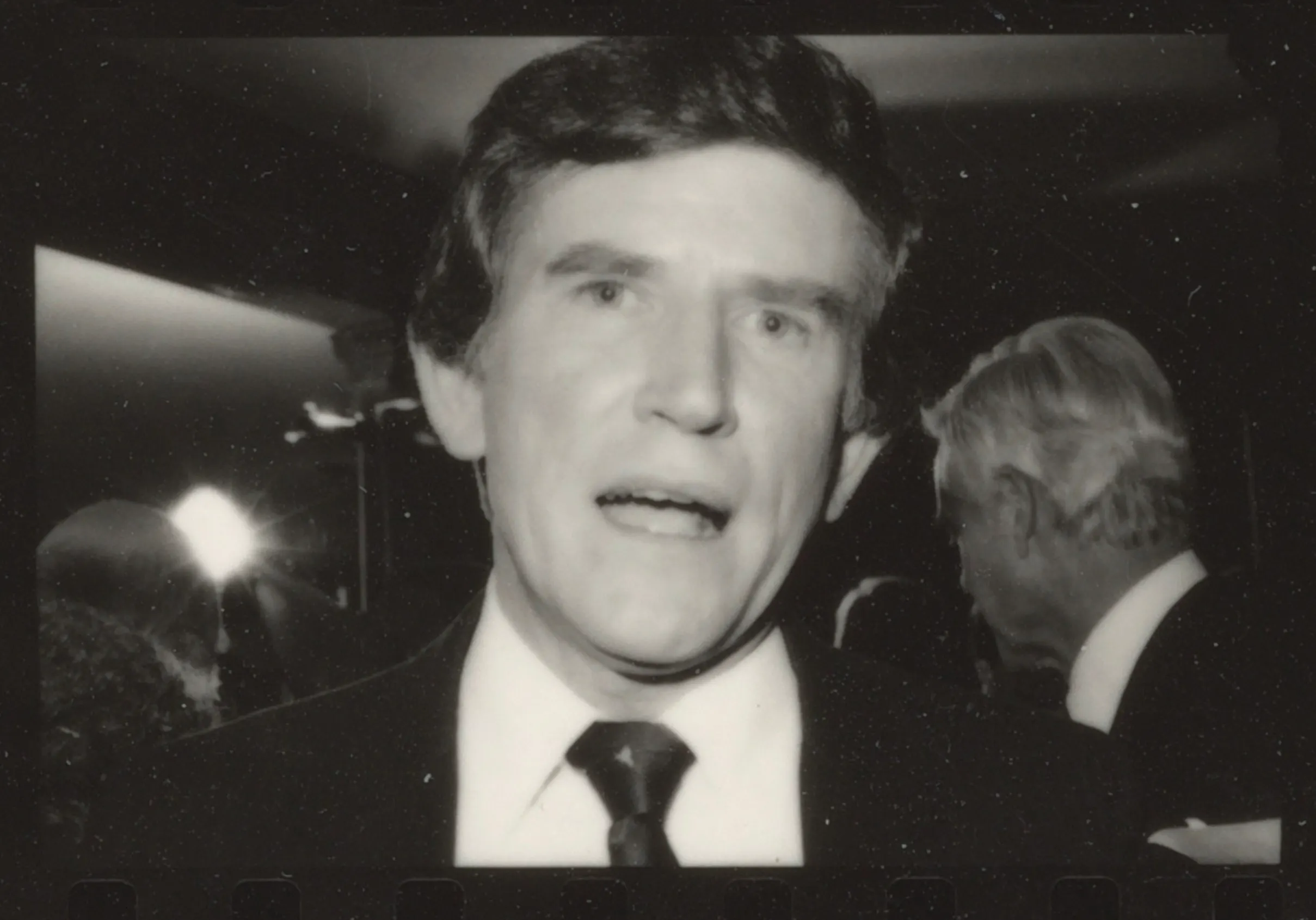
Fred W. McDarrah (1926–2007), photographer. Gary Hart at Democratic presidential candidates forum, October 6, 1983. © The New York Historical / Fred W. McDarrah Collection, Gift of the Goldman Sonnenfeldt Family
Your book argues that Yuppies played a key role in transforming the politics of the Democratic Party away from the working class and toward a more affluent, educated and professional class. You cite the unsuccessful presidential campaign of Gary Hart as well as the successful congressional run by Chuck Schumer, both of which drew upon a base of Yuppie support. How do you think Yuppies helped shift the politics of the party and this country more broadly?
We all think we know how this story goes: Bill Clinton was elected in 1992, representing a Democratic Party that’s reoriented itself away from the union workers, African Americans, and other working-class constituencies of the New Deal coalition, and towards the interests of metropolitan professionals. Once in office, he consolidated the rightward policy shift that began under Reagan. Clinton signed NAFTA, passed welfare reform, boosted incarceration and border enforcement, and deregulated the tech and finance sectors. Perhaps unsurprisingly, the biggest source of donations to Clinton’s 1996 reelection campaign was Goldman Sachs bankers and their families. By 2008, Barack Obama would receive more donations from corporate lawyers and investment bankers than any candidate, from either party, in American history.
But I wondered: was there a longer pre-history to that story, one that starts at the grassroots, rather than at the top? That is, what sort of liberalism did those metropolitan professionals believe in? What sorts of politicians were they donating to and canvasing for? And what were they up to in the years before they seized the reins of the Democratic Party in the 1990s?
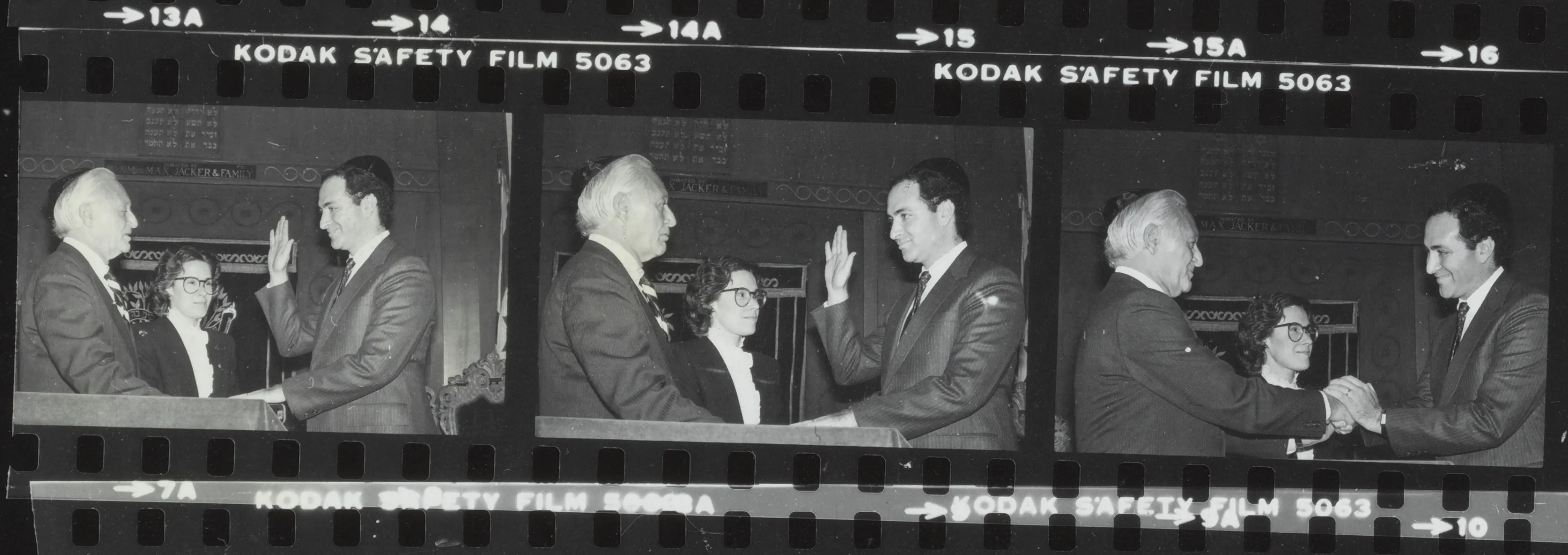
Fred W. McDarrah (1926–2007), photographer. Chuck Schumer swearing-in ceremony, February 1, 1981. © The New York Historical / Fred W. McDarrah Collection, Gift of the Goldman Sonnenfeldt Family
I found that during the 1980s, a new generation of politicians and donors—people like Gary Hart, Chuck Schumer, Bruce Wasserstein, and Robert Rubin—were busy remaking liberalism for the postindustrial era. The meritocratic ethos of the trading floor or Marathon, they thought, should govern society at large. Innovation, not regulation or redistribution, would drive growth. And the sclerotic regulatory state was only hampering it. What was needed instead was a nimbler government, overseeing a tech and finance-driven economy, with educated professionals at the vanguard.
So even if a yuppie favorite like Gary Hart did not ultimately capture the presidential nomination in 1984, his campaign united New York’s emerging class of yuppie donors and politicos. These were the same people who were working at Lehman Brothers and Skadden Arps, moving to places like the Upper West Side and Hoboken, running the Marathon, and shopping at gourmet shops like Dean & Deluca. And even more importantly, they were also funding the professional-class takeover of the Democratic Party. In the 1980s and 1990s, yuppies at corporate law firms and Wall Street banks (which had given overwhelmingly to Republicans before this period) began to swing toward Democratic candidates. The shift only accelerated as lawmakers from the New York area, particularly Chuck Schumer, spearheaded federal deregulation that made banks and hedge funds more profitable. By the end of the century, they became such a vital center of power and funding that no national candidate could consider running without first capturing the hearts—and dollars—of New York’s yuppies.
Written by Sofia Guimarães Cutler, Mellon Predoctoral Fellow in Women's and Public History, Jean Margo Reid Women's History Center, The New York Historical
Keep Reading
- Women at the CenterNovember 10, 2026
How Levi’s Denim Jackets Helped Fight HIV/AIDS
On November 10, 1986, a fashion show held on the Barneys staircase offered a new model for funding HIV/AIDS programs. - Women at the CenterNovember 1, 2026
Konwatsi’tsiaienni (Molly Brant), Haudenosaunee Women’s Diplomacy, and the American Revolution
Historian Maeve Kane discusses Konwatsi’tsiaienni (Molly Brant)'s Revolutionary War diplomacy and the challenges of recovering Native women's histories from surviving sources. - Women at the CenterOctober 31, 2026
“More Than Witches Would Fly That Night”: Queer and Trans Femme Histories of Halloween
Years before the 1969 Stonewall Uprising, Halloween celebrations empowered and inspired queer and trans femme people, giving them the freedom to dress as they chose. - Women at the CenterOctober 9, 2026
Empire of Skulls: Reassessing Phrenology with Author Paul Stob
Is there anything we can learn from 19th-century phrenologists? Author Paul Stob argues that the phrenologists' legacy is still very much with us today.