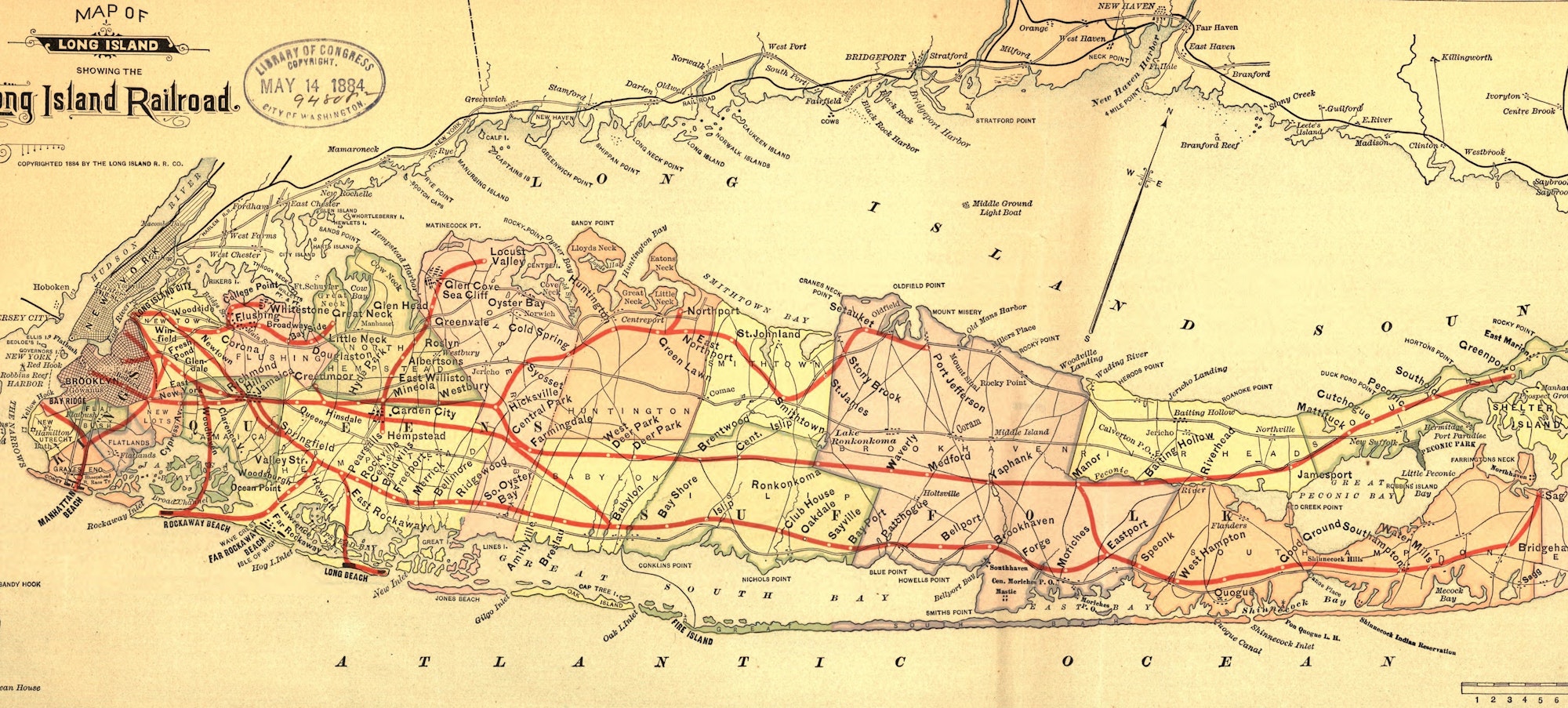
What do Vaseline, roller coasters, and Weight Watchers all have in common? At first glance, absolutely nothing at all—but all originated on Long Island.
Vaseline
In 1859, Brooklyn chemist Robert Chesebrough (1837-1933) went to the oil fields in Titusville, Pennsylvania to learn more about newly discovered petroleum. During oil extraction, a black sticky residue developed on the equipment. He noticed workers applying this substance they called “rod wax” to minor wounds to help them heal faster. Intrigued, Chesebrough took some back to his lab in Brooklyn. It took him several years, but he eventually figured out how to refine the black “rod wax” into the clear balm now known as petroleum jelly. In 1870 he filed a patent for this petroleum product he named Vaseline. It was first manufactured in his factory in Brooklyn, near Ferris and Sullivan Streets. He established the Chesebrough Manufacturing Company and marketed Vaseline as a medical wonder product. To demonstrate its effectiveness, he would burn himself for stunned audiences, apply Vaseline to the burns, and show off his previous burns in various stages of healing. Petroleum jelly does not actually heal wounds, but when applied it creates a protective barrier that seals in moisture and keeps out dirt. By 1880 Vaseline was so popular that almost every household in America would have had one of these jars in their home. This glass cork-top Vaseline jar in The New York Historical collections dates to ca. 1887-1900.
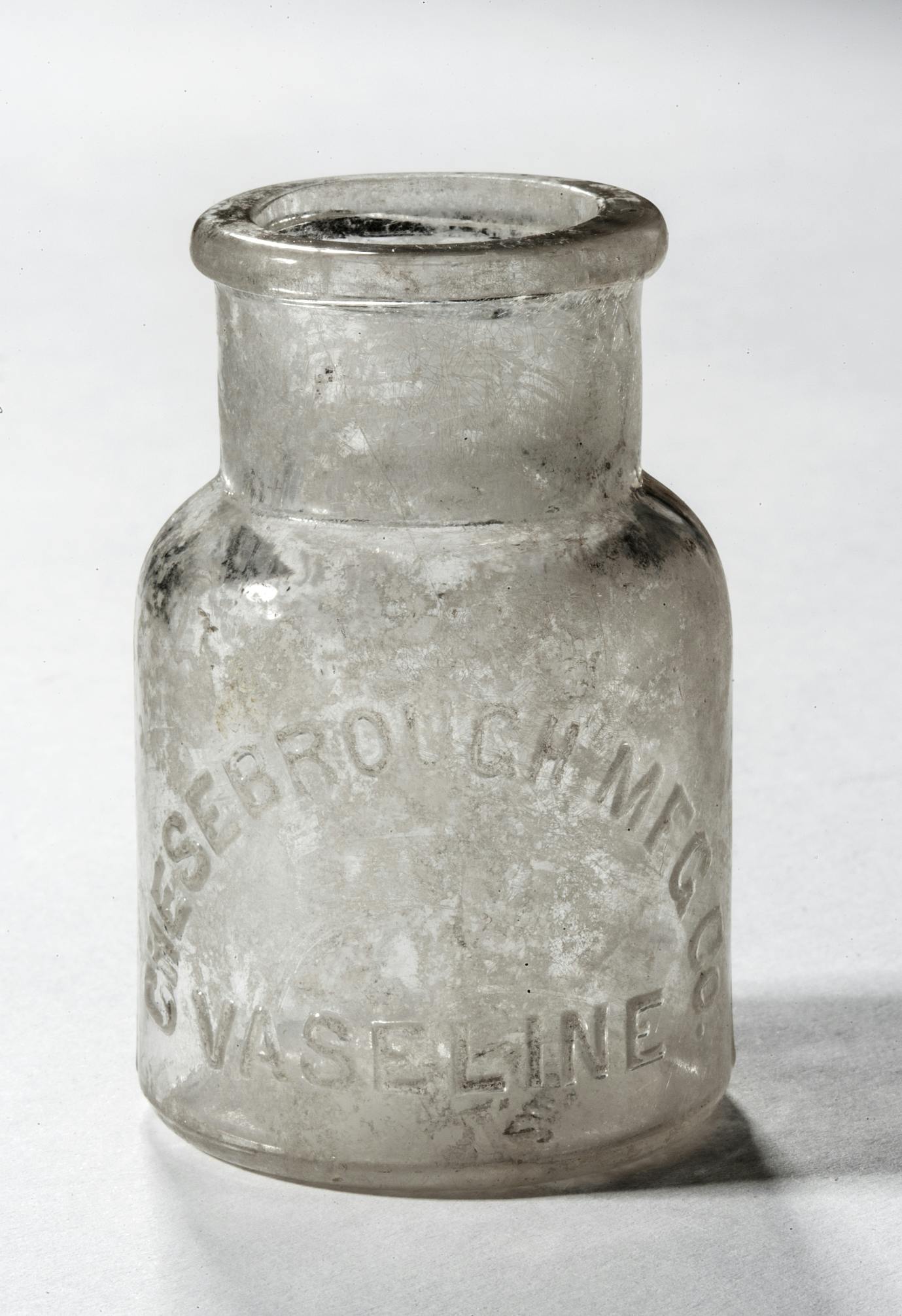
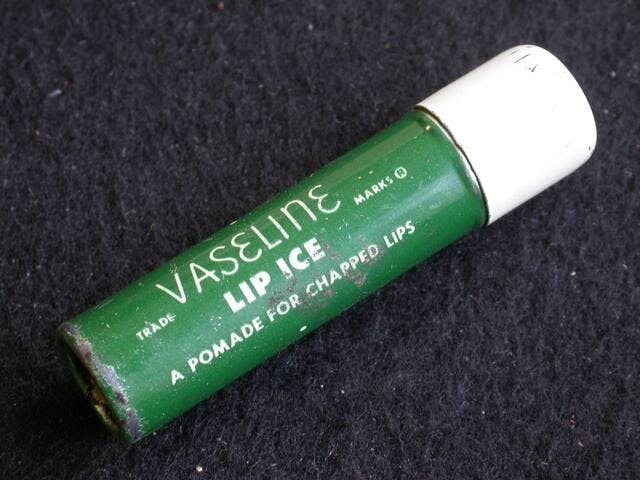
(First) Chesebrough Manufacturing Company (1881 - 1987). Jar, ca. 1890. Gift of Katrina and Michael Yoder Family; (second) Chesebrough Manufacturing Company (1881 - 1987). Vaseline Lip Balm Tube, 1930-1960. Gift of Bella C. Landauer
Roller Coasters
In 1884, Coney Island was the site of the first roller coaster in the United States. It was called the Switchback Railway and went slightly faster than 6 miles per hour. Although coal mine trains had been used to carry passengers for fun as early as 1874, Coney Island’s Switchback Railway was the first track purpose-built for recreation. Designed by LaMarcus Adna Thompson (1848-1919) who came to be known as the “Father of the Modern American Roller Coaster,” the Switchback Railway became very popular. Its success led to a boom in roller coaster building on Coney Island, with the rides becoming faster and more complex as time went on.
One of the roller coasters built during this boom was the Thunderbolt. Designed and built by John Miller (1872-1941) in 1925, it stopped running in 1982 and was torn down in 2000. This painting by Pamela Talese (b. 1964) in The New York Historical collections was executed in 2000 shortly before the Thunderbolt’s demolition.
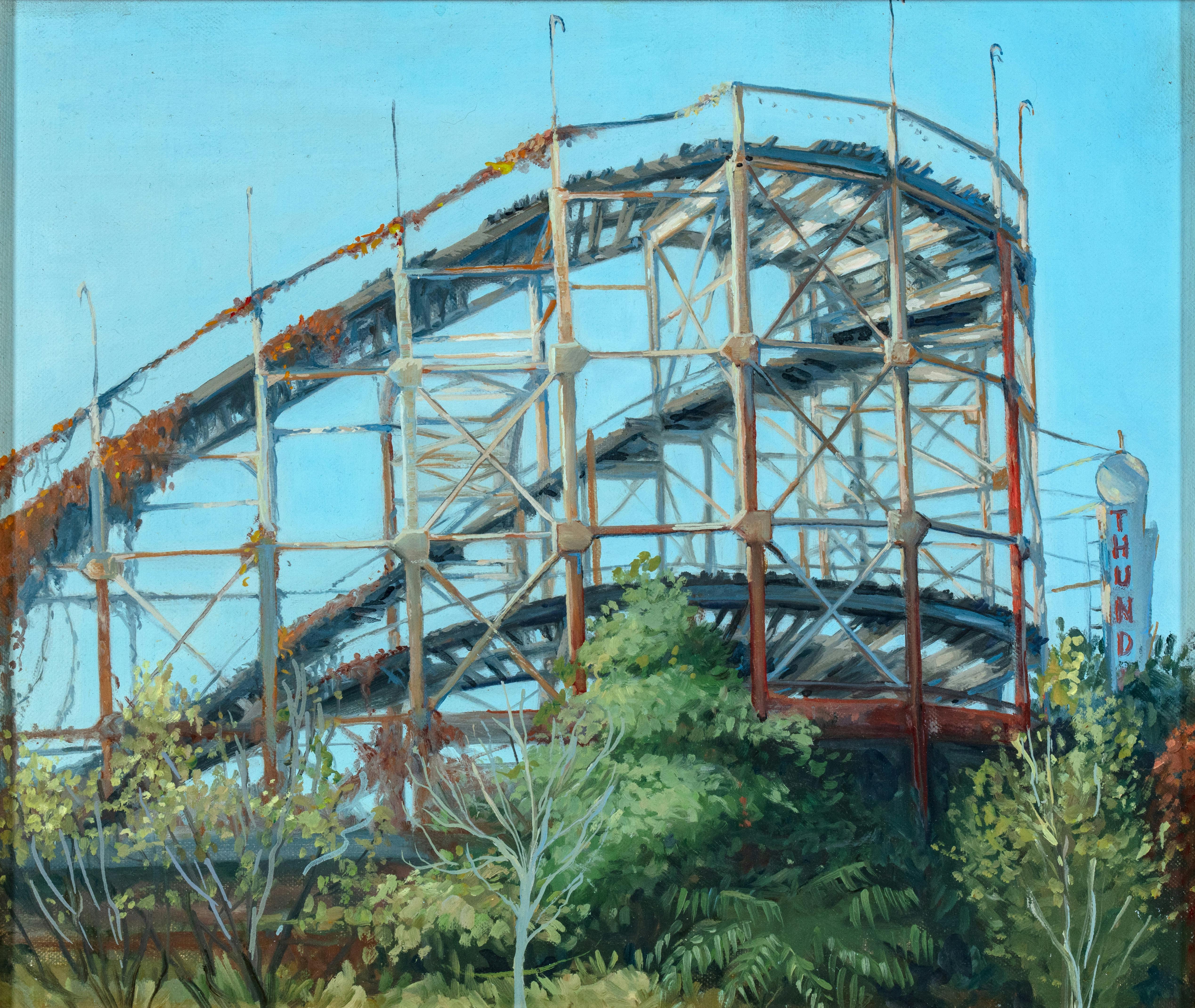
Pamela Talese (American, b. 1964). Autumn Thunderbolt, 2000
Weight Watchers
Weight Watchers, now known as WW International Inc., is a company that helps people lose weight by encouraging healthy eating. In 1961, Queens homemaker Jean Nidetch took part in a free weight loss program sponsored by the New York City Board of Health that focused on nutrition and portion control. Although she lost weight, Nidetch felt the program was not supportive enough. She started a support group with other friends who were trying to lose weight and introduced them to the food program designed by the Board of Health. They held weekly meetings, and the group soon included 40 women. Word continued to spread and in 1963 Nidetch, who had reached a healthy weight, founded Weight Watchers. The first meeting took place in Queens and drew over 400 people. It soon spread nationwide and eventually became a global company. The company sold branded products like these in The New York Historical collections—a scale (ca. 1980s) to help with portion control and a sugar-free diet soda (ca. 1976).
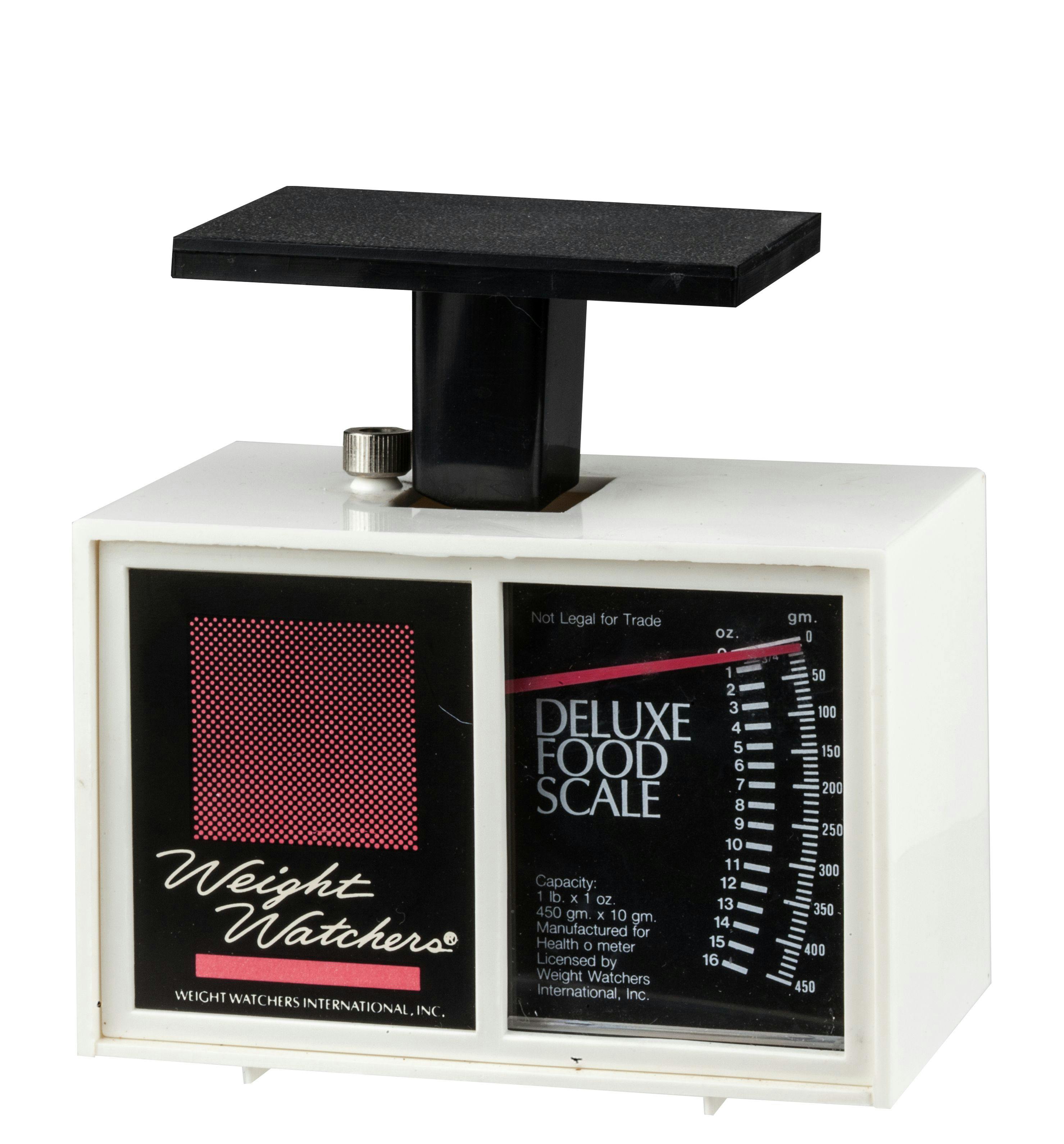
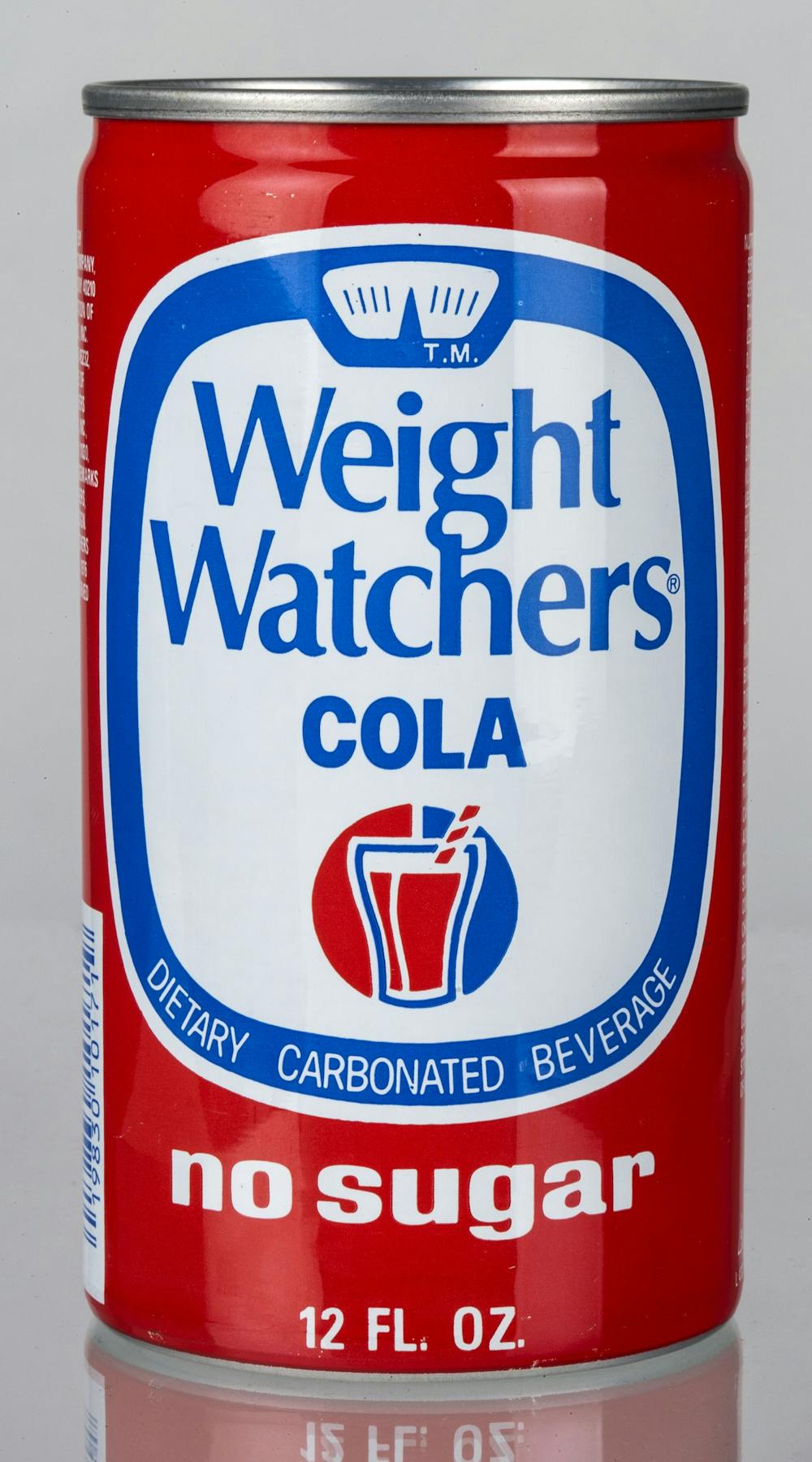
(First) Weight Watchers International, Inc. Diet cola can, ca. 1976; (second) Weight Watchers International, Inc. Diet cola can, ca. 1976
The New York Historical holds many thousands of items from the 17th through 21st centuries depicting or otherwise documenting Long Island (including Brooklyn and Queens). These maps, broadsides, manuscripts, prints, paintings, drawings, decorative arts, and material culture objects trace the history of the region and the lives of its inhabitants, often in unique ways. With the generous support of the Robert David Lion Gardiner Foundation, The Historical has embarked on a three-year project to digitize and better catalogue the objects to increase their accessibility and allow us to provide a fuller picture of the area’s history.
Written by Alexandra S. McKeever, the Museum Project Cataloger, who worked closely with the Museum objects to better document them and enrich our understanding of Long Island history.
Keep Reading
- Behind the ScenesJune 29, 2026
Our Birthday Wishes for America
What's your wish for America's future? - Behind the ScenesOctober 20, 2025
#AskaMuseum—Our Curators Answer Your Questions
You asked, and our curators answered! For #AskaMuseumDay last month, we gathered the questions our social media followers. - Behind the ScenesJune 27, 2025
GAY PRIDE in '75: Fred McDarrah's Photographs of the 1975 Pride March
To celebrate the arrival of the historic Fred W. McDarrah Archive at The New York Historical, we are excited to share some of the stories behind McDarrah’s iconic photos of the 1975 Pride March in honor of its fiftieth anniversary. - Behind the ScenesApril 16, 2025
The Mission of Abraham Lincoln