In an essay for The Nation in 1868, John William De Forest wrote “the Great American Poem will not be written,” before adding more optimistically “the Great American Novel—the picture of the ordinary emotions and manners of American existence … will, we suppose, be possible earlier.” But his piece took a skeptical turn, admitting “This task of painting the American soul within the framework of a novel has seldom been attempted, and has never been accomplished further than very partially—in the production of a few outlines.”
In De Forest’s view, a handful of novels came close to this elusive title—especially Harriet Beecher Stowe’s Uncle Tom’s Cabin (1852), Nathaniel Hawthorne’s Scarlet Letter (1850) less so—but ultimately, as Frank Norris would one day write, the Great American novel was “not extinct like the Dodo, but mythical like the Hippogriff.” I like to think the Great American Novel is more like Captain Ahab’s white whale: the object of an epic quest that is ultimately unattainable, but the inspiration for fascinating literary journeys nonetheless.
The magical phrase “The Great American Novel” continues to be bandied about, with familiar mention of the perennial contenders—many of which we will discuss in our lecture series The Story of America in 7 Books at The New York Historical. From Herman Melville’s Moby-Dick (1851) to Harper Lee’s To Kill a Mockingbird (1960) and many other works in between and since, Americans have looked to certain literary masterpieces for a sense of who they are and a definition of what the Founding Fathers thought of as “the American experiment."
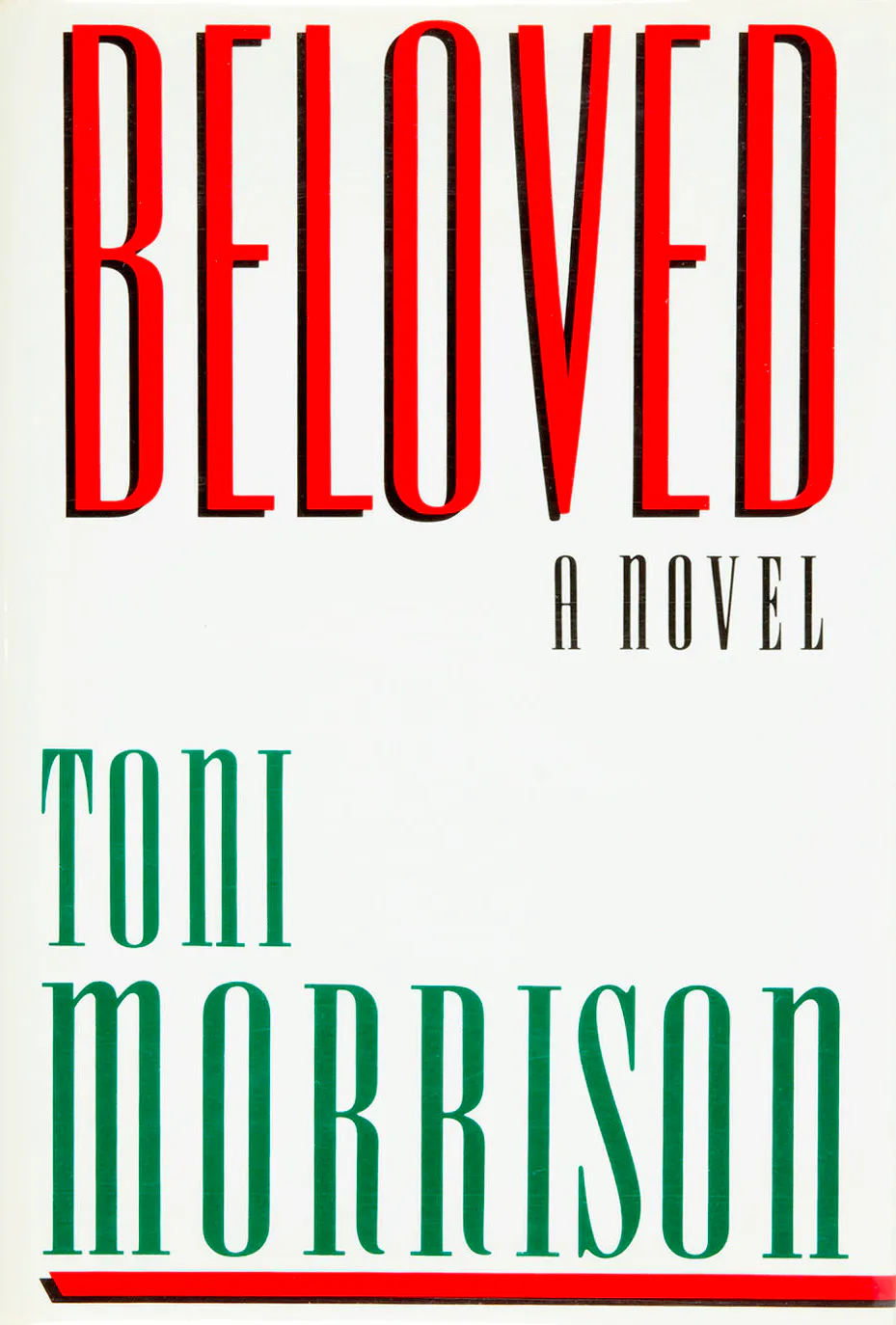
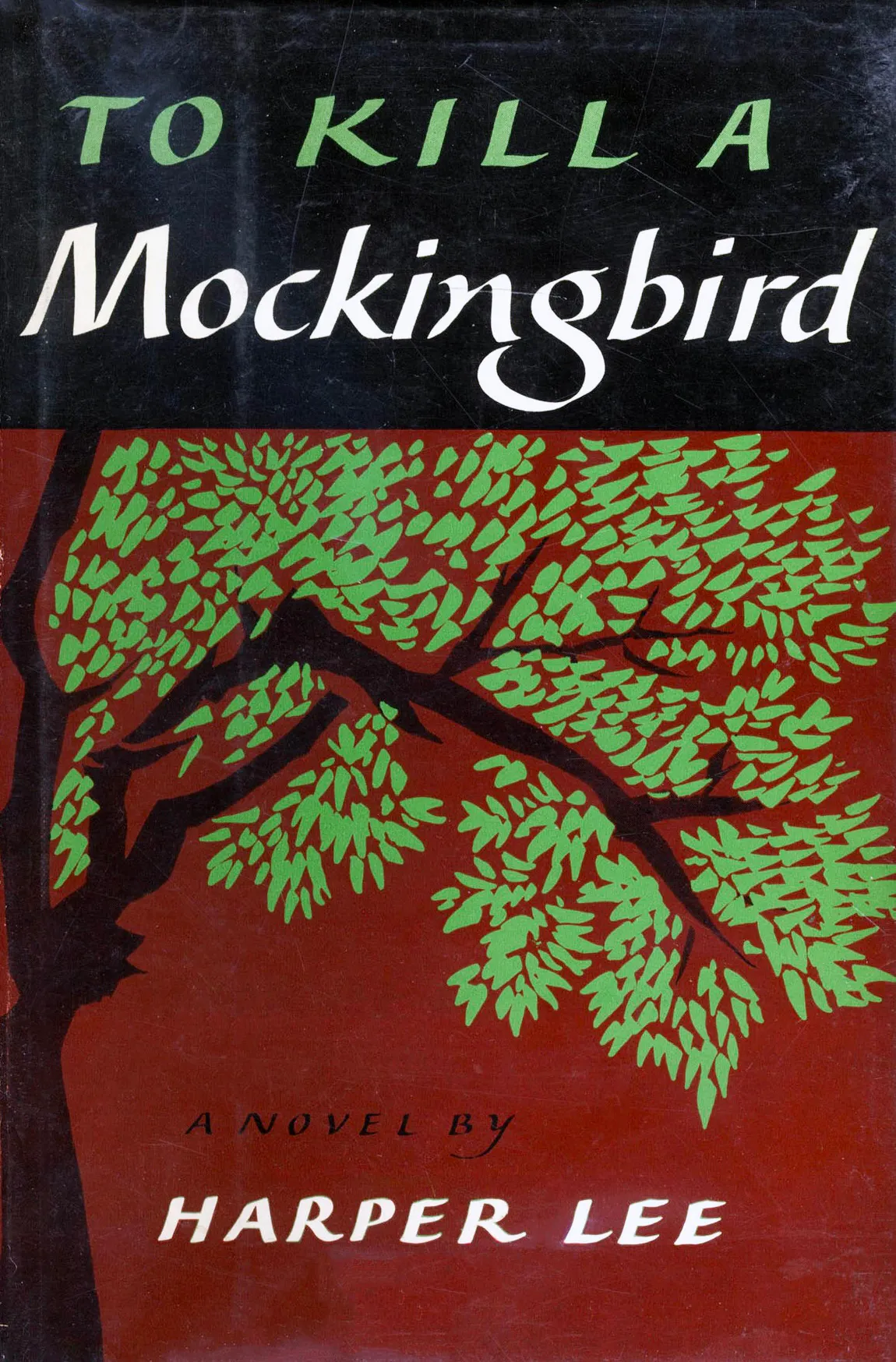
Contenders for the Great American novel: Toni Morrison's "Beloved" (1987) and Harper Lee's "To Kill a Mockingbird" (1960)
Of course, there are many sources outside of literature to which one might turn for an understanding of American identity. But there is indeed a “secret sauce” in the great novels of our past that no other medium can recreate. Aristotle said it best millennia ago when he wrote in his Poetics, “Poetry, therefore, is a more philosophical and a higher thing than history: for poetry tends to express the universal, history the particular” (trans. Butcher).
For Aristotle, history captures the particulars, but poetry—and by extension literature—reaches a higher philosophical plane by extrapolating the universal from these concrete details. As such, it can tell us as much if not more about the past than a straightforward historical record—a capacity we find at work in F. Scott Fitzgerald’s description of the West Egg parties in The Great Gatsby (1925), which is on most shortlists for the Great American Novel:
"When the Jazz History of the World was over, girls were putting their heads on men’s shoulders in a puppyish, convivial way, girls were swooning backward playfully into men’s arms, even into groups, knowing that some one would arrest their falls—but no one swooned backward on Gatsby, and no French bob touched Gatsby’s shoulder, and no singing quartets were formed with Gatsby’s head for one link."
The passage is not “factual,” since it’s the fruit of Fitzgerald’s imagination; but it certainly paints a plausible scene of life in the Roaring Twenties. The image of the self-made Gatsby standing alone in the midst of his lavish party (“no one swooned backward on Gatsby”) suggests the brutal cost of his drive for the American Dream—and of his passion for Daisy, as he resorts to a life of crime and ill-gotten gains to prove his worth to the world (and his beloved). The spirit of the Prohibition and Jazz Ages dances off the page in the form of the scented flappers lilting and tilting in their “puppyish” ways. Thanks to Fitzgerald, we are allowed the miracle of time travel to a distant land that exists not on any map, but rather in cultural memory.
Aristotle’s goal was not to set up a contest between literary and historical writing, but instead to suggest that each serves a distinct and necessary function. History is essential because it establishes the actual record of the past. Literature, by contrast, tells us what could or should have happened, through imaginative universals like the arresting scene of a lavish 1920s party and an isolated Jay Gatsby at its center.
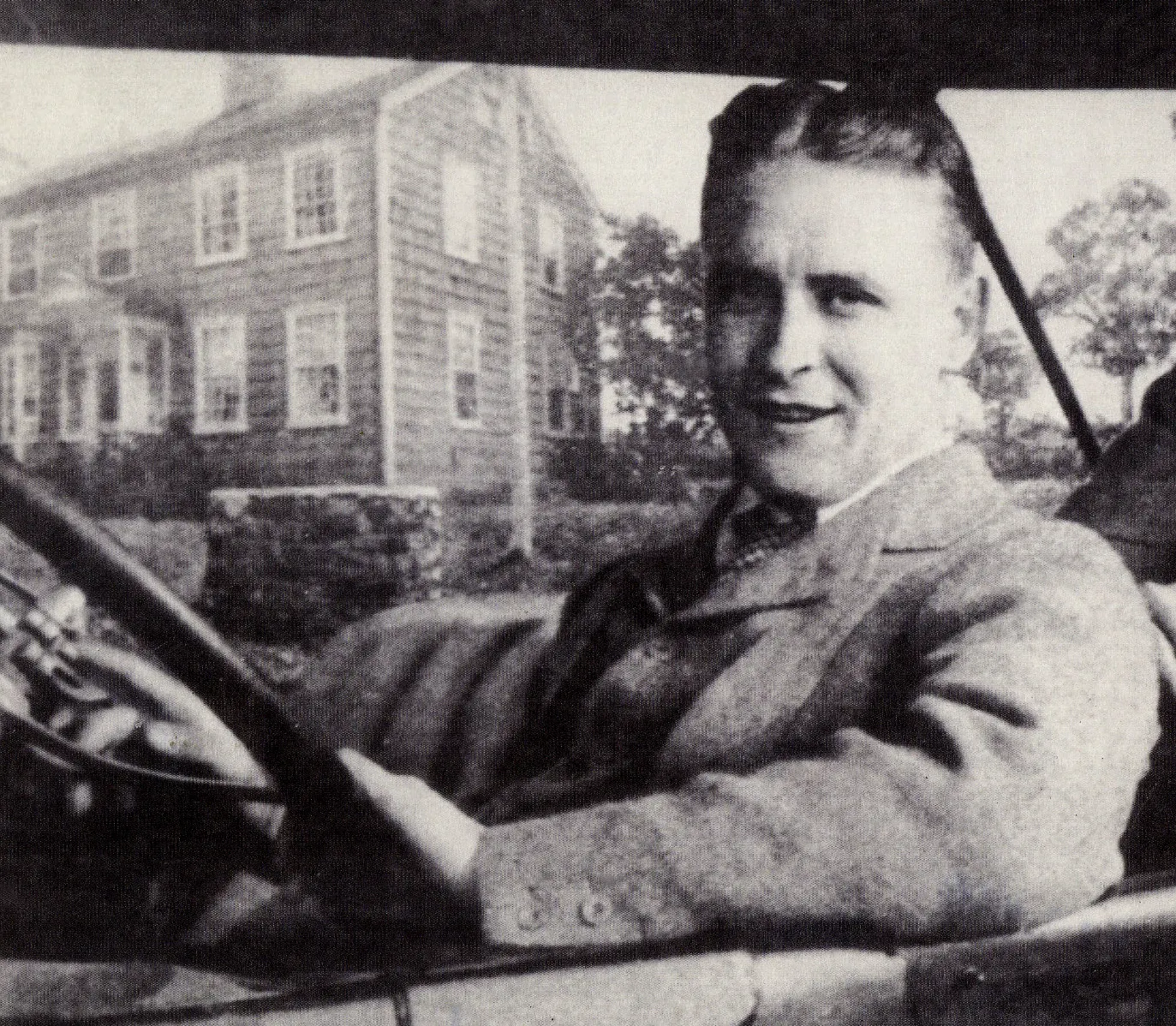
F. Scott Fitzgerald's "The Great Gatsby" allows us to imagine New York in the Jazz Age. (Image: Motor magazine, April 1924, Princeton Library Archives)
Sometimes these “universal” literary lessons are especially painful. In Toni Morrison’s Beloved (1987), the character Paul D reflects on what it means for a former slave to experience the deep love for another that most of us take for granted as an essential part of life:
"Risky, thought Paul D, very risky. For a used-to-be slave woman to love anything that much was dangerous, especially if it was her children she had settled on to love. The best thing, he knew, was to love just a little bit: everything, just a little bit, so when they broke its back, or shoved it in a croaker sack, well, maybe you’d have a little love left over for the next one."
Sadly, history is filled with instances confirming Paul D’s words: in Frederick Douglass’s autobiographical Narrative (1845), he describes how, as an infant, he was separated from his mother, “to blunt and destroy the natural affection of the mother for the child,” and thus deny them both one of the most fundamental human bonds. The historical facts about slavery’s evils are known to many; by introducing a fictional account of how slavery compelled slaves “to love just a little bit” because of the constant threat of loss and violent separation, Morrison renders its horrors even more visceral and concrete.
Around the time De Forest was musing about the Great American Novel, Alexis de Tocqueville offered these words on American literature in his monumental Democracy in America (1835–40):
"By and large the literature of a democracy will never exhibit the order, regularity, skill, and art characteristic of aristocratic literature; formal qualities will be neglected or actually despised. The style will often be strange, incorrect, overburdened, and loose, and almost always strong and bold. Writers will be more anxious to work quickly than to perfect details. … Authors will strive to astonish more than to please, and to stir passions rather than to charm taste."
How eloquent and plausible—yet how wrong. One can understand the aristocratic de Tocqueville’s view that his fellow elites, dedicated to lives of refined leisure and liberated from the need to sell their work to the public, would be the logical group to produce high-quality literature. But he misjudged how democracy itself—with its emphasis on personal freedom, the open exchange of ideas, and the value of everyday experience—would go on to fuel an American literary tradition of astonishing vibrancy.
The Great American Novel may never be written—in fact, we might even hope that it will not, and that it will remain instead an ongoing quest. Just as the American experience changes from one generation to the next, so too will the stories it generates. Meanwhile, our novelists will hopefully continue to cast what De Forest called “the ordinary emotions and manners of American existence” into extraordinary literary art.
Joseph Luzzi is the Asher B. Edelman Professor of Literature at Bard College. He's the featured speaker at The New York Historical's monthly lecture series The Story of America in 7 Books. Purchase in-person or livestream packages today.
Keep Reading
- Behind the ScenesJune 29, 2026
Our Birthday Wishes for America
What's your wish for America's future? - Behind the ScenesOctober 20, 2025
#AskaMuseum—Our Curators Answer Your Questions
You asked, and our curators answered! For #AskaMuseumDay last month, we gathered the questions our social media followers. - Behind the ScenesJune 27, 2025
GAY PRIDE in '75: Fred McDarrah's Photographs of the 1975 Pride March
To celebrate the arrival of the historic Fred W. McDarrah Archive at The New York Historical, we are excited to share some of the stories behind McDarrah’s iconic photos of the 1975 Pride March in honor of its fiftieth anniversary. - Behind the ScenesApril 16, 2025
The Mission of Abraham Lincoln