"What's Wrong With This Picture?": The Fight to Desegregate Stuyvesant Town
The history of Stuyvesant Town and housing in New York City is brought to life through letters, photographs, newspaper clippings, and other ephemera from the Patricia D. Klingenstein Library's collections.
The history of Stuyvesant Town and housing in New York City is brought to life through letters, photographs, newspaper clippings, and other ephemera from the Patricia D. Klingenstein Library's collections.
2nd floor, the Patricia D. Klingenstein Library Reading Room
The Patricia D. Klingenstein Library is pleased to present an ongoing rotation of installations in the Pine Tree Foundation of New York display cases in the Reading Room. Please note: the Reading Room is open Fridays, 5-8 pm, and Saturdays–Sundays, 12-5 pm.
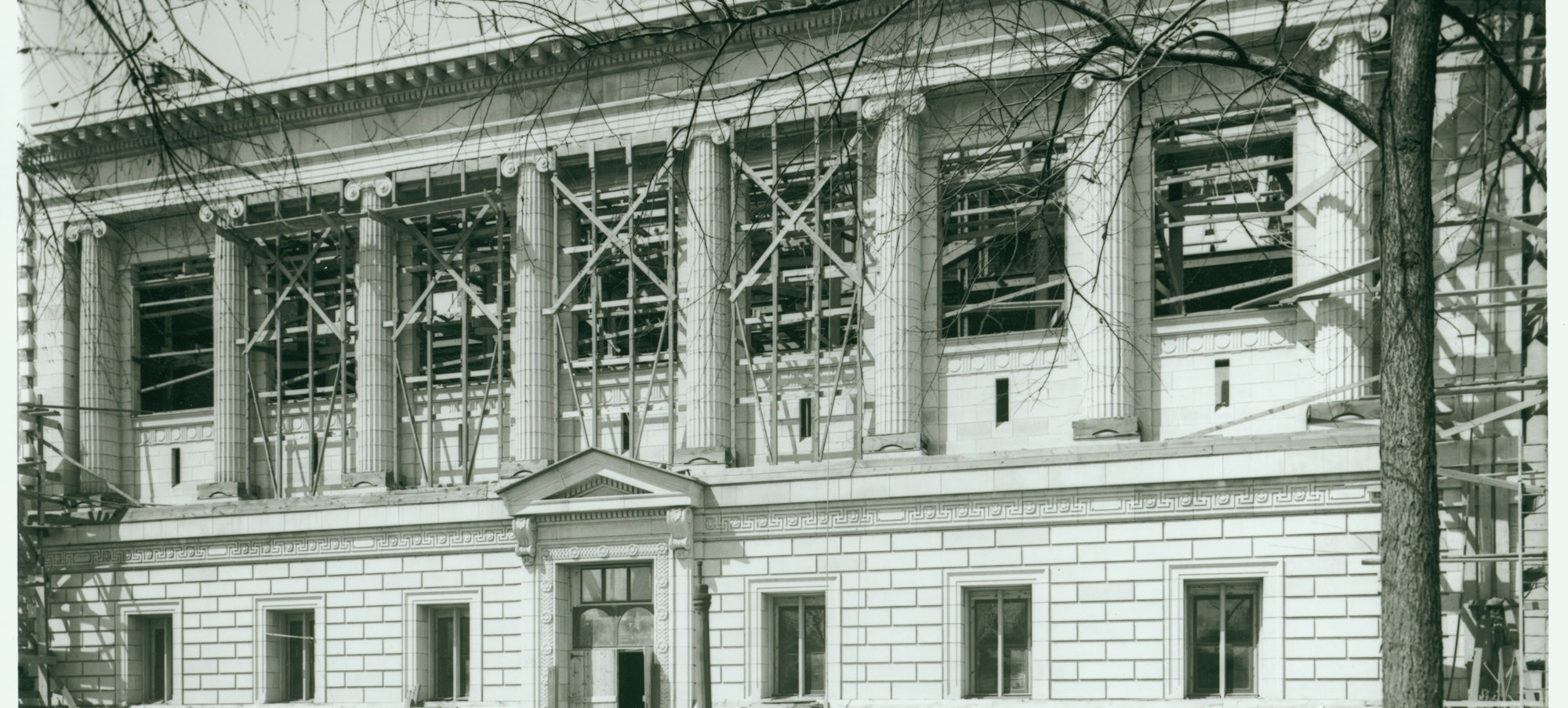
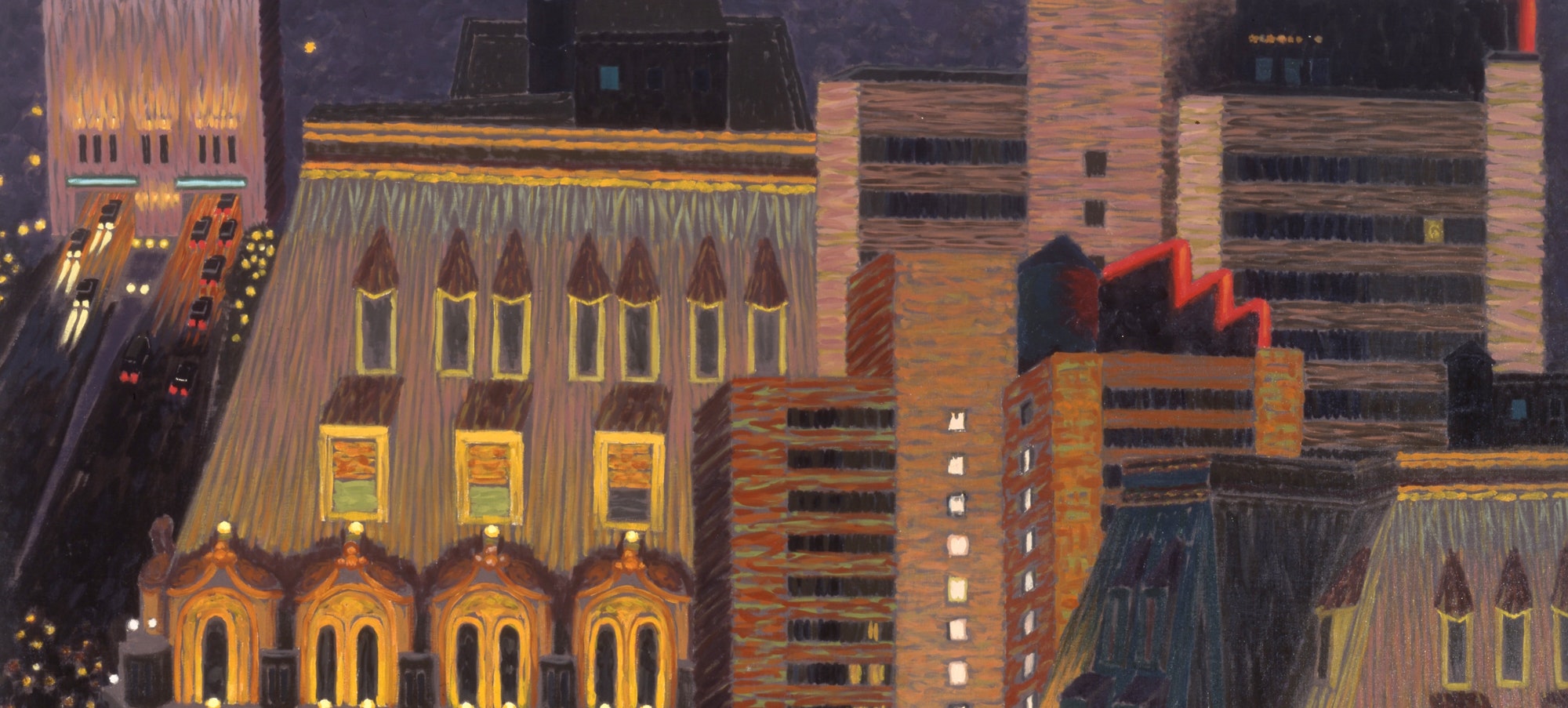
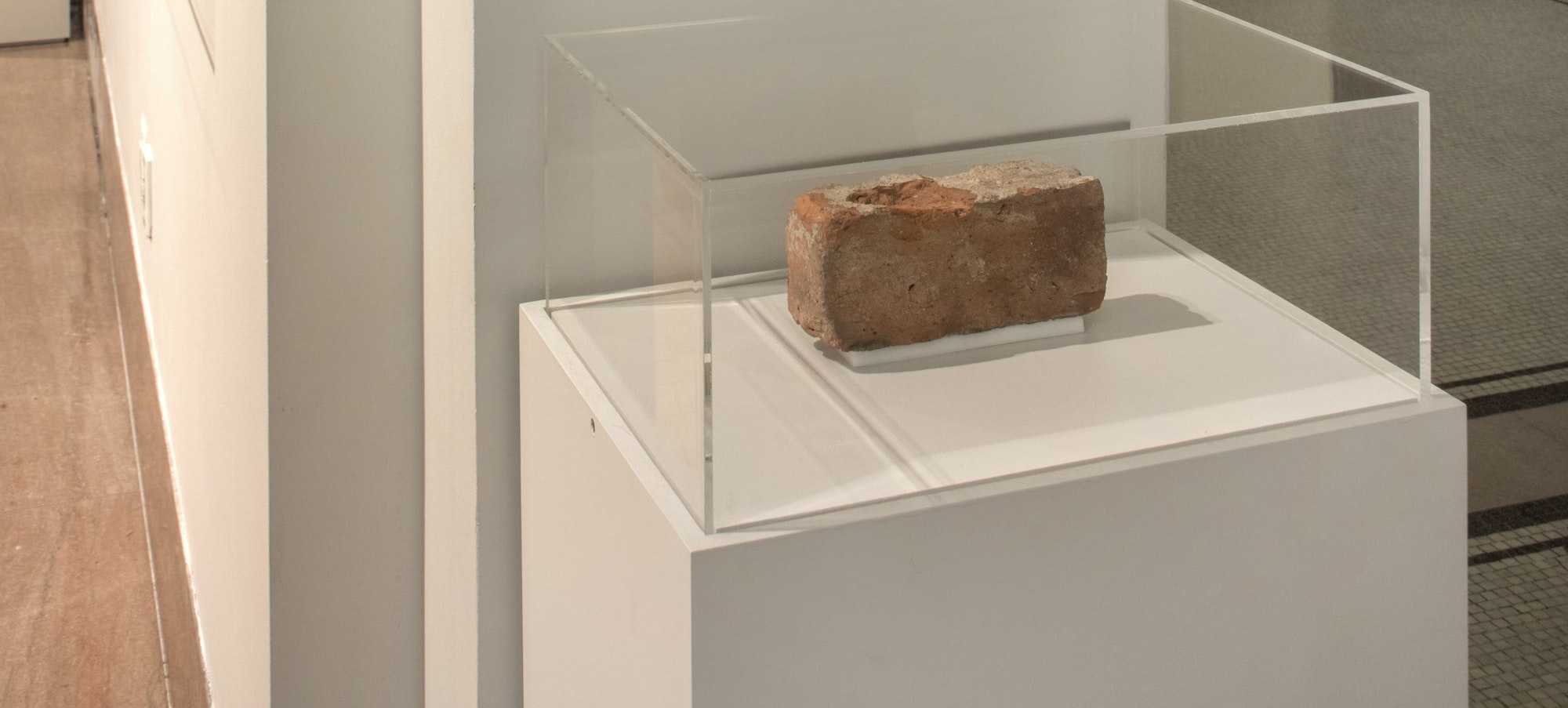
In 1947, the suburbs came to the city. Built by the Metropolitan Life Insurance Company in collaboration with the city, Stuyvesant Town consisted of 35 uniform brick apartment buildings, separated by playgrounds, pathways and park space, and fenced off from the surrounding area.
The post-war housing complex changed the skyline of the city, but it faced opposition for its discriminatory housing policies from civil rights groups, city council members, the press—even its own residents. The fight to desegregate Stuyvesant Town was waged through protests and demonstrations, phone-call and letter-writing campaigns, and press coverage. The case established a precedent for housing law and led to the passage of the Fair Housing Act of 1968, which made housing discrimination a federal crime.
The history of Stuyvesant Town and housing in New York City is brought to life through letters, photographs, newspaper clippings, and other ephemera from the Patricia D. Klingenstein Library's collections. Curated by Grace Wagner, Reference Librarian at The New York Historical's Patricia D. Klingenstein Library
Exhibitions at The New York Historical are made possible by the Saunders Trust for American History, the Evelyn & Seymour Neuman Fund, the New York City Department of Cultural Affairs in partnership with the City Council, and the New York State Council on the Arts with the support of the Office of the Governor and the New York State Legislature. WNET is the media sponsor.



Media sponsor: