The Patricia D. Klingenstein Library at The New York Historical is home to a vast collection of photographic prints. This winter, a new exhibition drawn exclusively from our collections looks at the immigrant experience in New York City through the lens of photography. Stirring the Melting Pot: Photographs from The New York Historical Collections (through March 29) is a visual record of the city’s history as a place of refuge and includes more than 100 photographs spanning the 1880s through the present day alongside a selection of historical objects. From places of religious practice through the ethnic eateries and grocery stores, Stirring the Melting Pot showcases how generations of immigrants have left a mark on their adopted home.
Many of the photographers featured in the show were themselves immigrants who came to New York in search of a better future. One of them was Alexander Alland whose work is peppered throughout the exhibition. Alland was born in 1902 in Sebastopol, Crimea. He arrived in New York via Turkey in 1923 and made a life for himself in a community of Russian émigrés. Between 1933 to 1936, Alland lived with his wife and child in the Mohegan Colony, a utopian community of artists and political radicals in Westchester County, NY, where he was able to set up a dark room and refine his photographic skills. When he returned to New York City in 1936, settling in Greenwich Village, Alland was able to make a living from photography and would go on to have a prolific career as a photographer for hire, a teacher, editor, collector of historic photographic negatives and glass plates, and later in life as an author of several books including Jacob Riis, Photographer and Citizen (Millerton, N.Y.: Aperture) and Jessie Tarbox Beals, First Woman News Photographer (New York: Camera/Graphic Press).
In the early 1940s, Alland’s reputation as a photographer sympathetic to the perils of immigrants and impoverished communities led to a commission by Life magazine to document different ethnic groups living in New York. These works included a series on Russian-speaking Romany Gypsies living in the Bowery and the Harlem congregation of the Commandment Keepers of Ethiopian Jews. Selections from these two series are included in Stirring the Melting Pot and offer a rare glimpse into the life of these overlooked communities.
The Romany Community Series
During the 1930s, with the rise of the Nazi regime and increasingly after the beginning of World War II, several thousand Romany people arrived in New York from Europe, where they were oppressed and persecuted. In 1940, when Alland started documenting their community of around 2,500, they lived in squalid conditions in the Bowery.
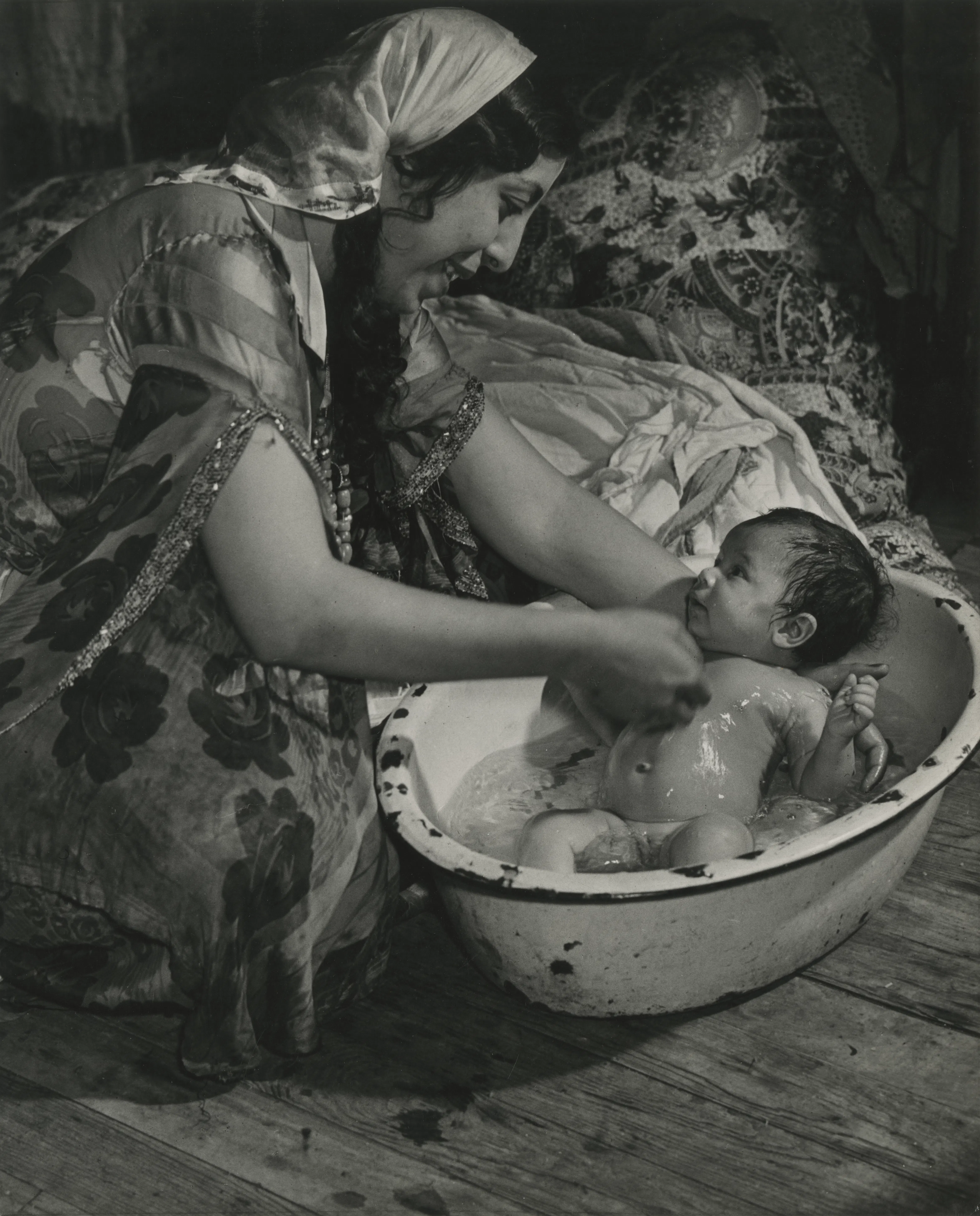
Alexander Alland (1902–1989). Gelatin silver print, from the photo series depicting New York’s Romany community, 1941. Alexander Alland Photograph Collection. The Patricia D. Klingenstein Library, The New York Historical.
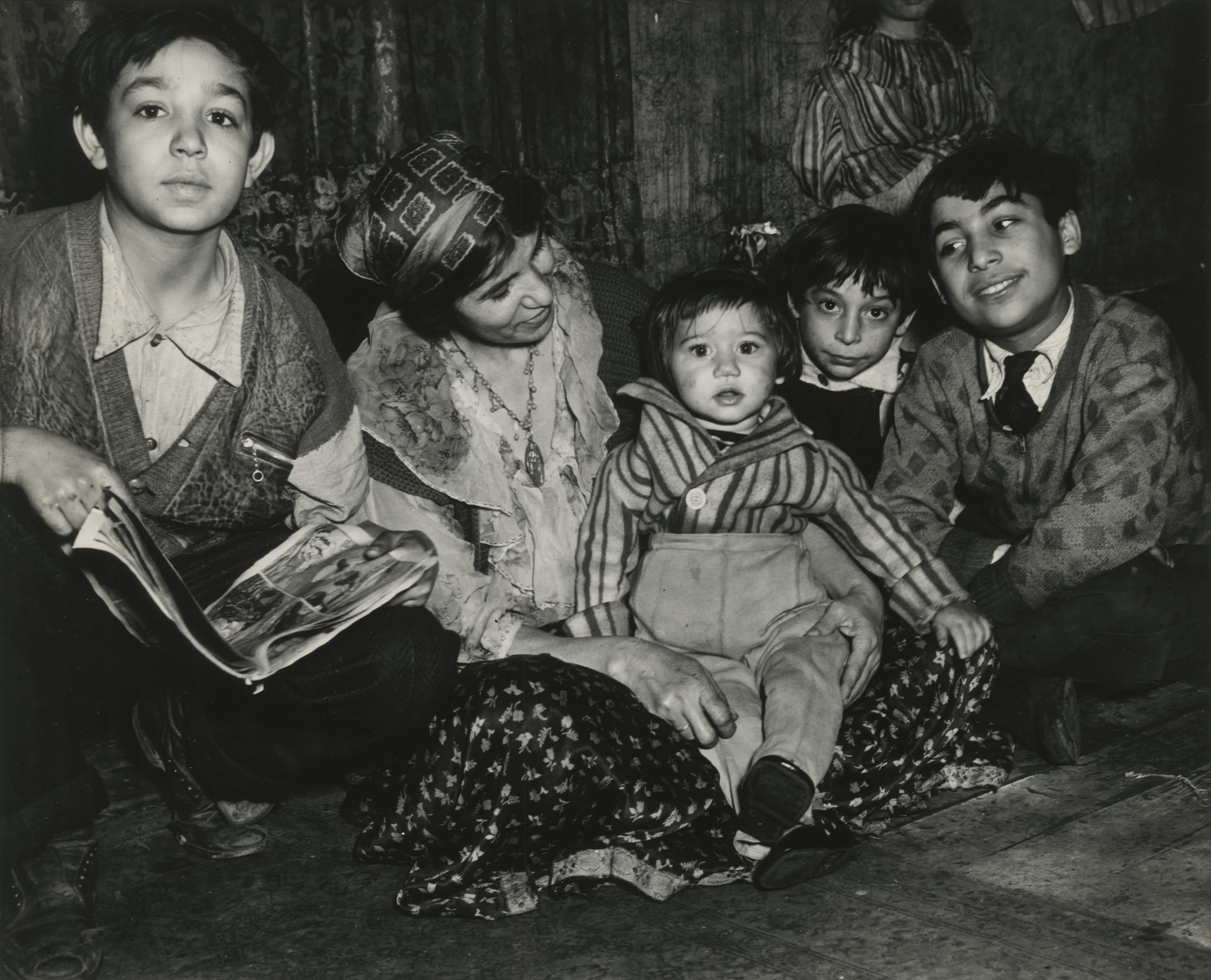
Alexander Alland (1902–1989). Gelatin silver print, from the photo series depicting New York’s Romany community, 1941. Alexander Alland Photograph Collection. The Patricia D. Klingenstein Library, The New York Historical.
Newly-arrived Romany struggled to find employment in their traditional trades, such as copper-smithing for men and fortune-telling for women. By then, copper-smithing was industrialized and New York City had rigid laws and costly licensing requirements that restricted the practice of fortune-telling, leaving community members with few prospects of employment. The community’s leader, the self-proclaimed "Gypsy King" Steve Kaslov, decided to establish a school where WPA teachers taught community members reading and writing. These skills helped them find other income sources and integrate more easily into American society.
Alland’s camera caught the community’s daily life in their homes, places of worship, and outside on the street. These photographs reveal a vibrant community life, and, despite the poor city dwelling, a sense of joy and celebration.
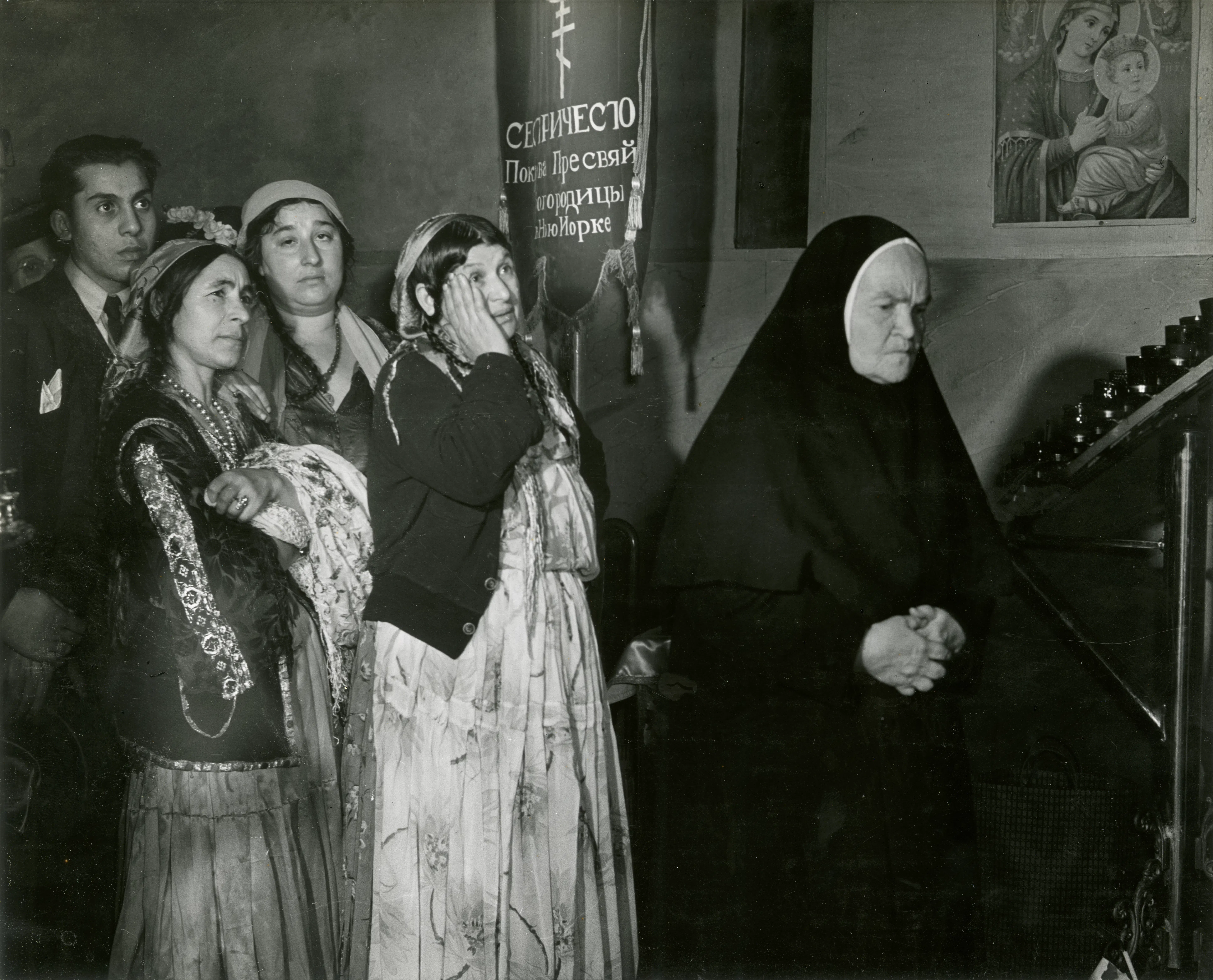
New York’s Romany community had Greek Catholic roots, but rarely attended church. Their religious practices mixed Catholicism with the occult, including fortune-telling and ceremonies to ward off demons. Alexander Alland (1902–1989). Gelatin silver print, from the photo series depicting New York’s Romany community, 1941. Alexander Alland Photograph Collection. The Patricia D. Klingenstein Library, The New York Historical.
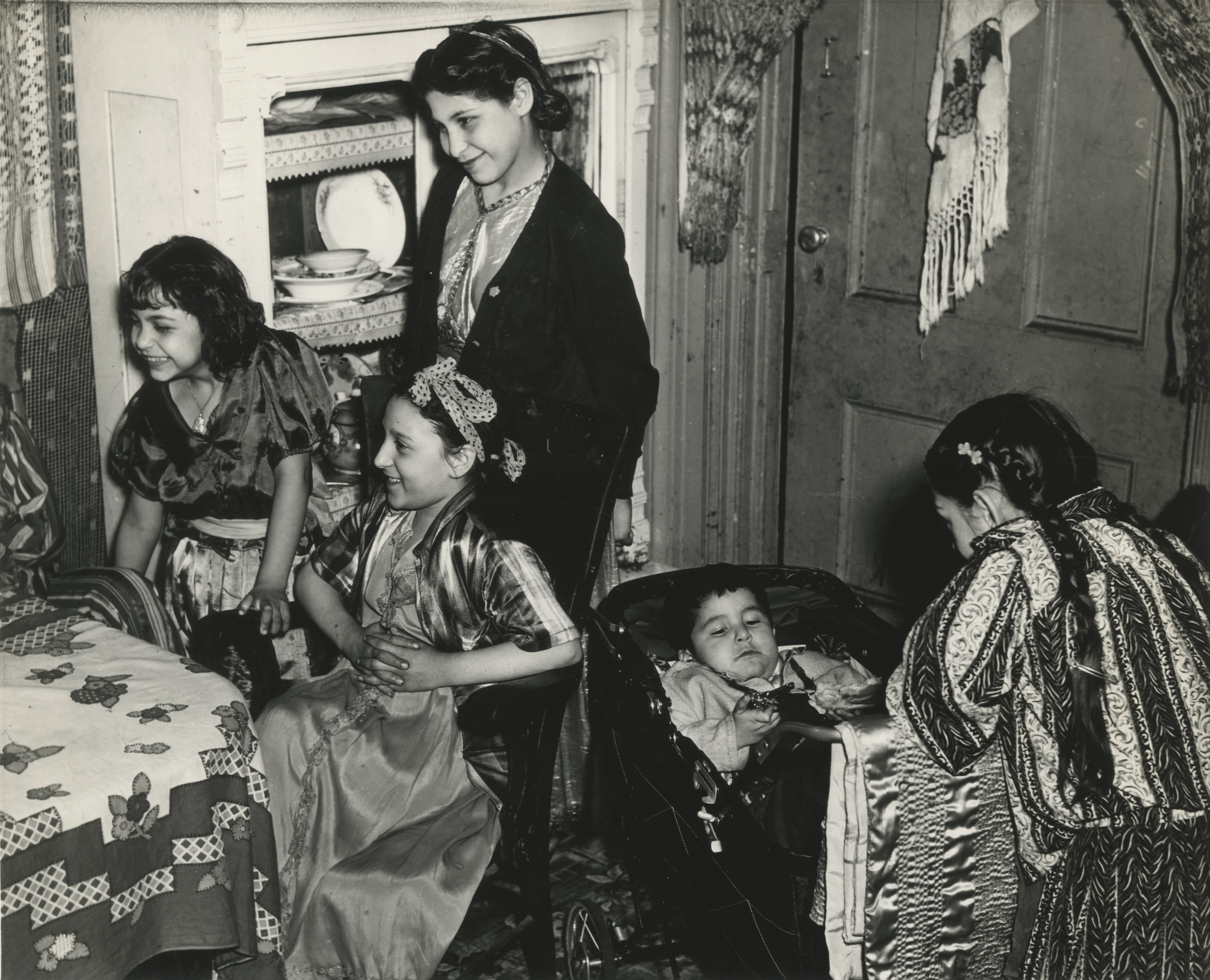
Alexander Alland (1902–1989). Gelatin silver print, from the photo series depicting New York’s Romany community, 1941. Alexander Alland Photograph Collection. The Patricia D. Klingenstein Library, The New York Historical.
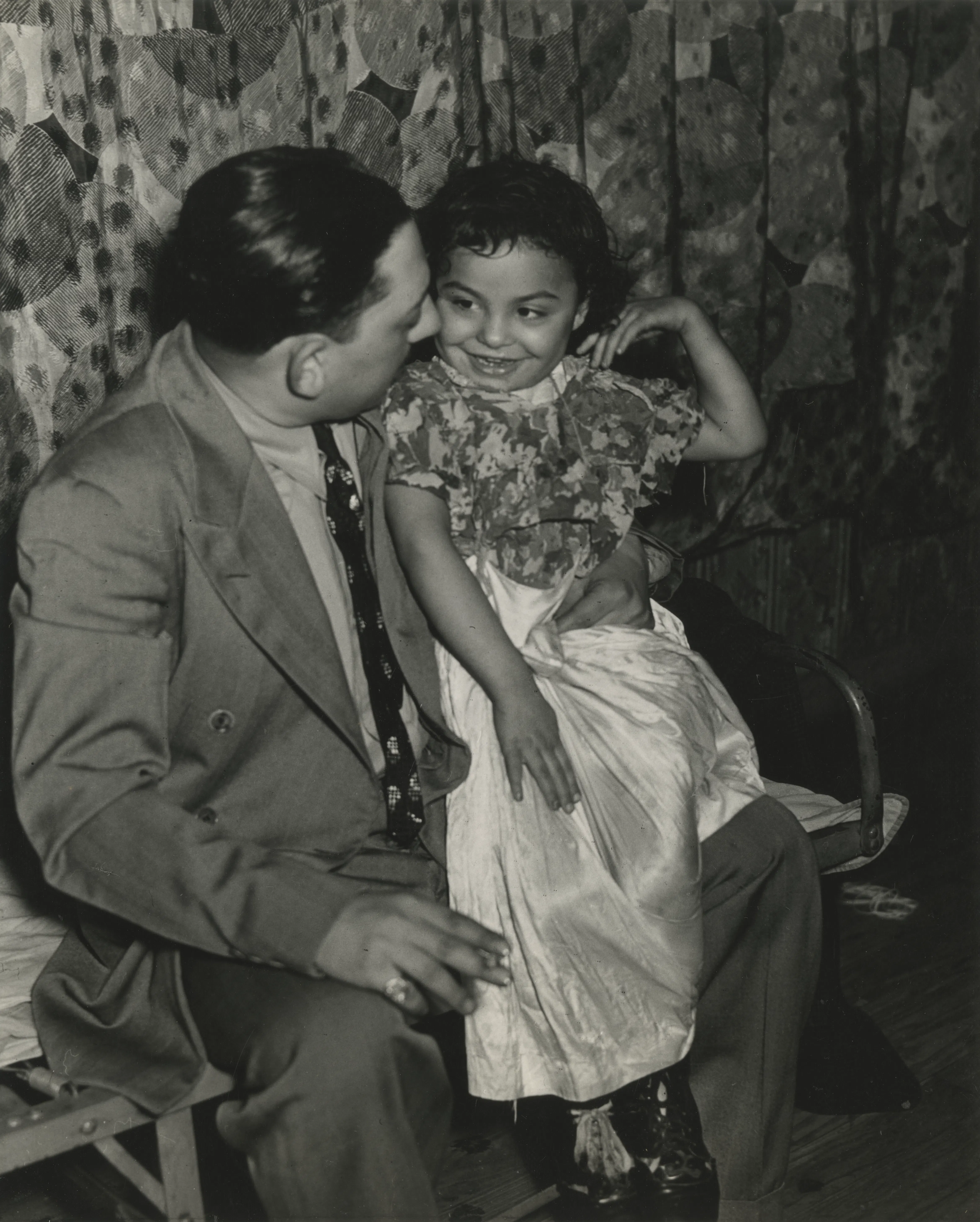
Alexander Alland (1902–1989). Gelatin silver print, from the photo series depicting New York’s Romany community, 1941. Alexander Alland Photograph Collection. The Patricia D. Klingenstein Library, The New York Historical.
The Harlem Commandment Keepers of Ethiopian Jews
Alland also documented the Harlem Commandment Keepers of Ethiopian Jews for Life magazine. The community was founded in 1919 by Rabbi Wentworth Arthur Matthew. He was born in the British West Indies and immigrated to New York City in 1913, where he worked as a carpenter before establishing his congregation. Matthew gave contradictory information about his origin, but his own father, born in Lagos, was most likely a descendant of an Ethiopian Jew from Gondar in northern modern-day Ethiopia. His father died when he was young, and his mother raised him in St. Kitts where she had relatives who were formerly enslaved on the Island. Inspired by Marcus Garvey’s Black nationalism, Matthew saw in Judaism a path to reestablishing ties to Africa that were severed by the forced migration of the transatlantic slave trade.
After he received his US citizenship in 1924, Rabbi Matthew founded the Ethiopian Hebrew Rabbinical College, training Black rabbis who were otherwise rejected by Orthodox Jewish institutions. His synagogue and Jewish institutions employed women in administrative roles, which was not common in other orthodox communities at the time. When Alland photographed the community in 1940, their synagogue was located on 87 West 128th street in Harlem, above a drugstore. Today, the Church of Jesus Christ of Latter-day Saints occupies the same lot.
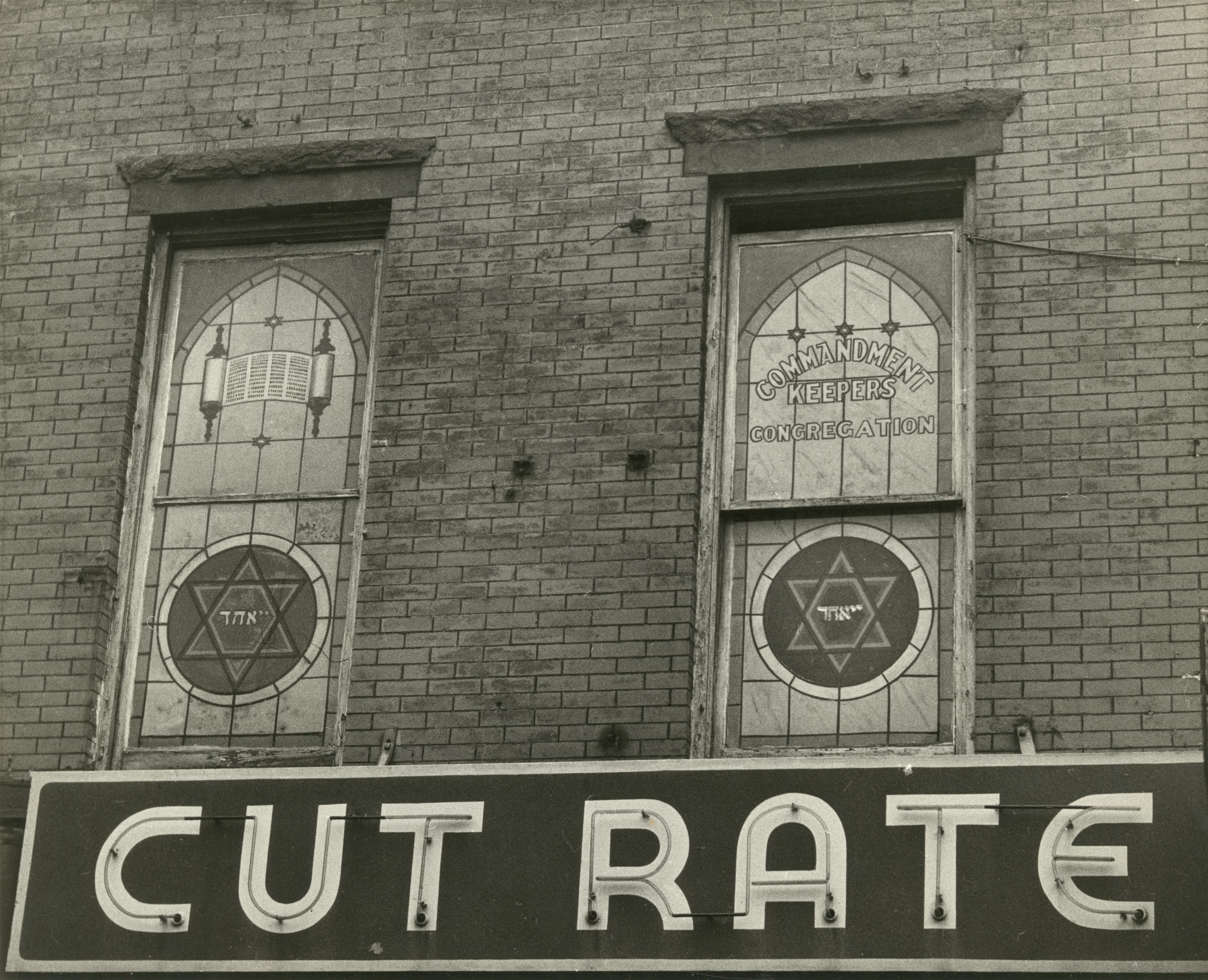
Alexander Alland (1902–1989), gelatin silver print. The Commandment Keepers Ethiopian Hebrew synagogue, West 128th Street, Harlem, 1940. Alexander Alland Photograph Collection. The Patricia D. Klingenstein Library, The New York Historical,
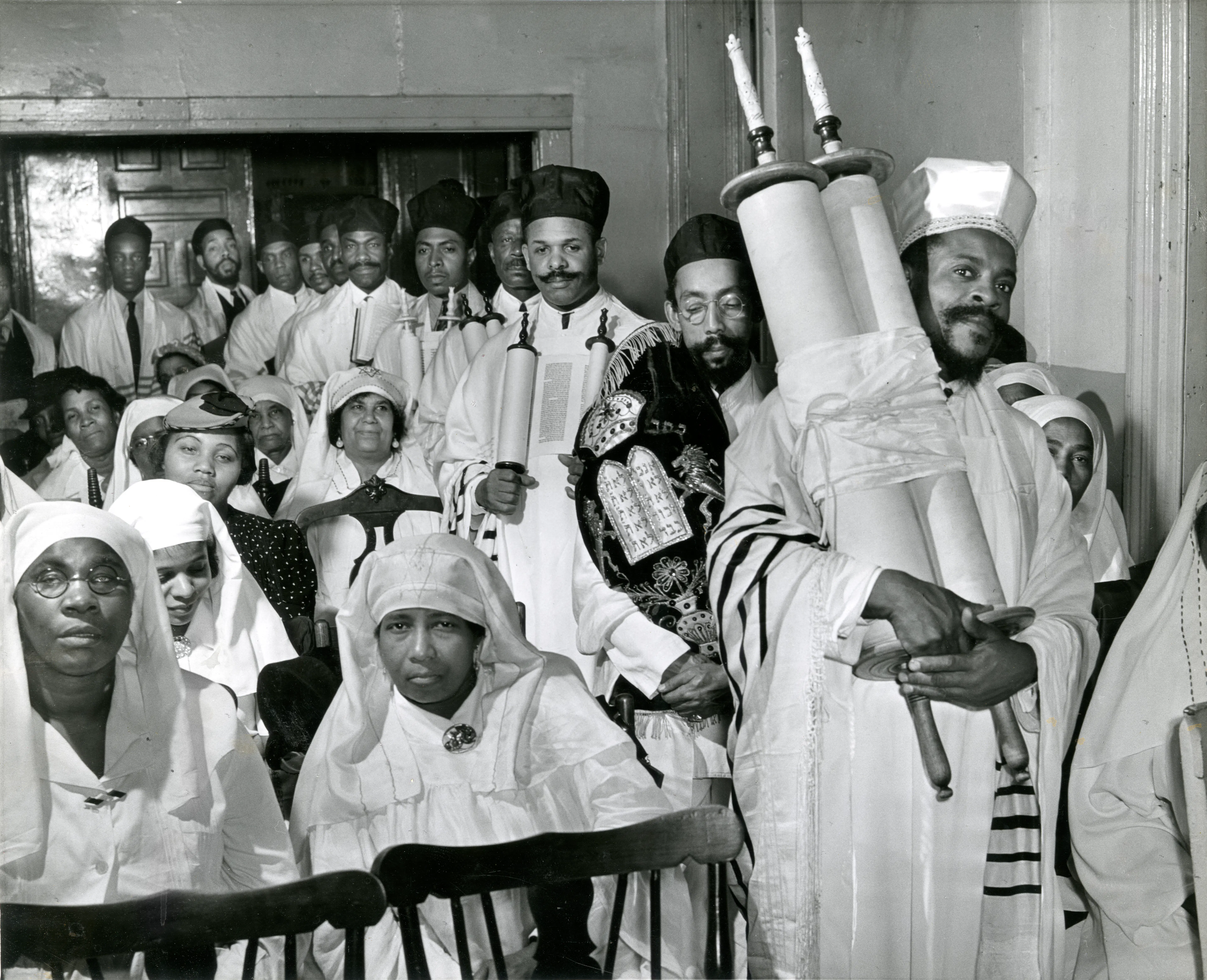
Alexander Alland (1902–1989), gelatin silver print. Rabbi Wentworth Arthur Matthew (1892–1973) holding a Torah scroll during the Simchat Torah holiday, 1940. Alexander Alland Photograph Collection. The Patricia D. Klingenstein Library, The New York Historical.
Matthew passed away at age 81 in 1973. By then the community had gone through several transformations influenced by World War II, the news in its aftermath of the massive extermination of Europe’s Jews, and in the 1960s the Civil Rights Movement and Black Power. By the early 1970s the community had splintered in several directions and Matthew’s rabbinical school was renamed the Israelite Rabbinical Academy. Alland’s photographs offer us an opportunity to reexamine the small but vibrant Black Jewish community in Harlem.
Stirring the Melting Pot: Photographs from The New York Historical Collections is on view at The New York Historical through March 29.
Keep Reading
- From the StacksJune 29, 2026
The Patriotick Barber Gets a New Look
An 18th-century satirical print depicting the interior of a barber shop speaks volumes about style and politics in New York City. - From the StacksMay 1, 2026
How New York City—and the Nation—Got Its First Cancer Hospitals
Two different approaches—epitomized by two early New York City hospitals—characterize divergent views about early cancer treatment in the United States. - From the StacksMarch 23, 2026
A Journey Up Broadway: Discovering a Remarkable 1905 Photo Album
- From the StacksFebruary 23, 2026
What's Wrong with This Picture?
In the years following World War II, the newly built Stuyvesant Town development faced opposition for its discriminatory housing policies from civil rights groups, city council members, the press, and even its own residents.