In 1947, the suburbs came to the city. Stretching north from 14th to 23rd Street and east from First Avenue to Avenue C, city workers created a superblock after razing the 18-block area known as the Gas House District, a mix of commercial and residential buildings. This was Stuyvesant Town.
The Metropolitan Life Insurance Company built Stuyvesant Town in collaboration with Parks Commissioner Robert Moses and other city officials. The “town” consisted of 35 13-story brick apartment buildings separated by playgrounds, pathways, and park space that was fenced off from the surrounding area. Stanley Isaacs, a City Council member, declared Stuyvesant Town would be "a medieval walled town in the middle of the City of New York.”
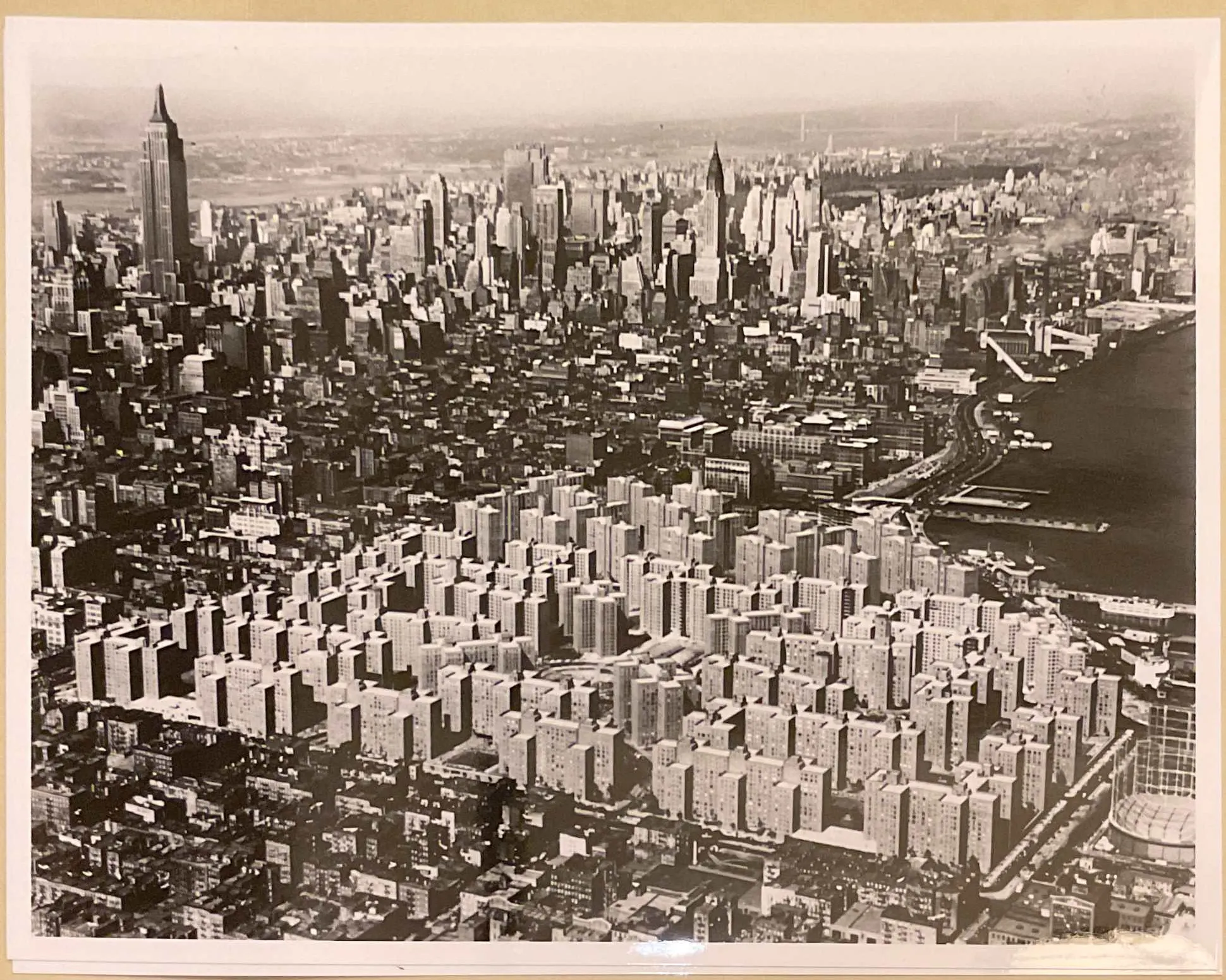
A photograph of the “medieval walled town” changing the city skyline. Clarke & Rapuano Landscape Architecture Collection, 1935-2002. The Patricia D. Klingenstein Library, The New York Historical.
Stuyvesant Town was one of several post-war housing developments sponsored by the Metropolitan Life Insurance Company in the 1940s to accommodate returning GIs and a growing population in New York. As one of the largest insurance companies in the world, the Metropolitan Life Insurance Company provided home insurance to one-third of city residents by 1943. Around the same time, the company also created the Peter Cooper Village, Riverton, and Parkchester complexes.
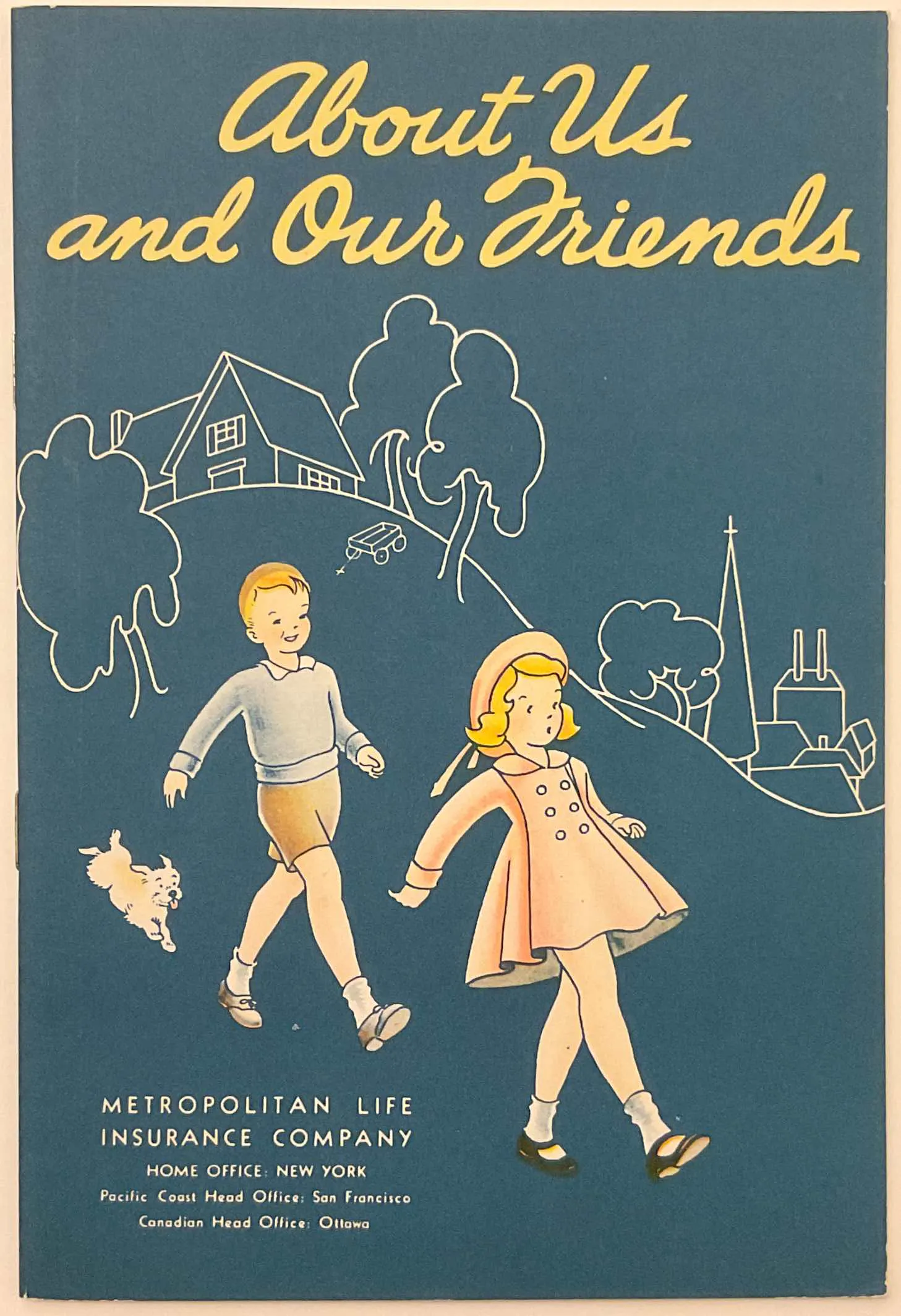
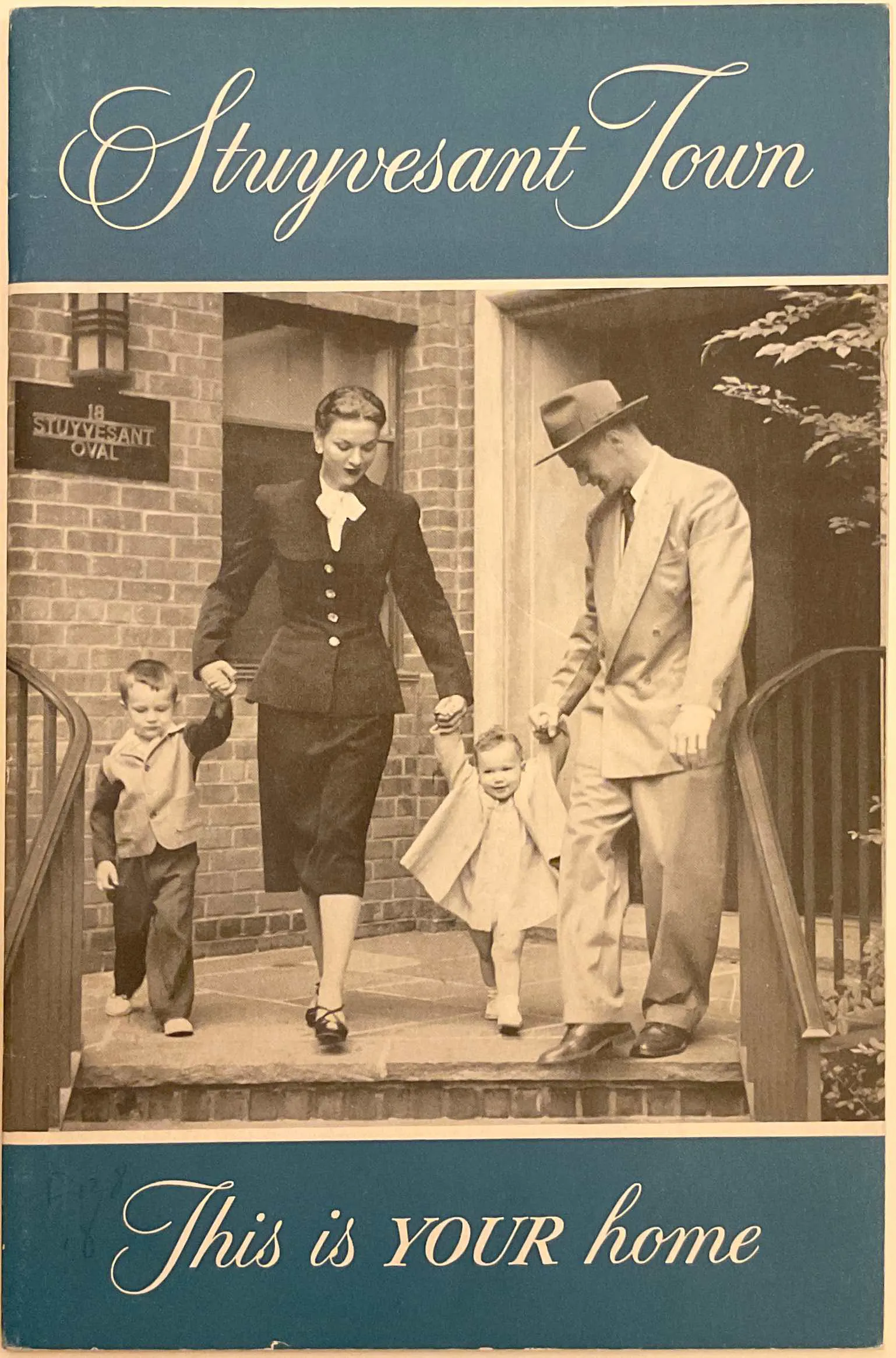
The Metropolitan Life Insurance Company published a number of informational pamphlets like About Us and Our Friends and Stuyvesant Town: This is YOUR Home around this time. Patricia D. Klingenstein Library, The New York Historical.
Residency in Stuyvesant Town was highly sought after and determined through a lottery application process. The “winners” of the lottery were white, upper-middle class applicants. The Metropolitan Life Insurance Company made no secret of its policies: The company refused to rent to lower-income and non-white tenants. They argued that as a private landlord they had the right to limit housing access to specific groups.
Stuyvesant Town’s standing as a private housing development was muddied by its tax-exempt status and the financial support it received from the city. Newspapers like The Daily Compass (1949-1952) called into question the accuracy of this status in articles and political cartoons.
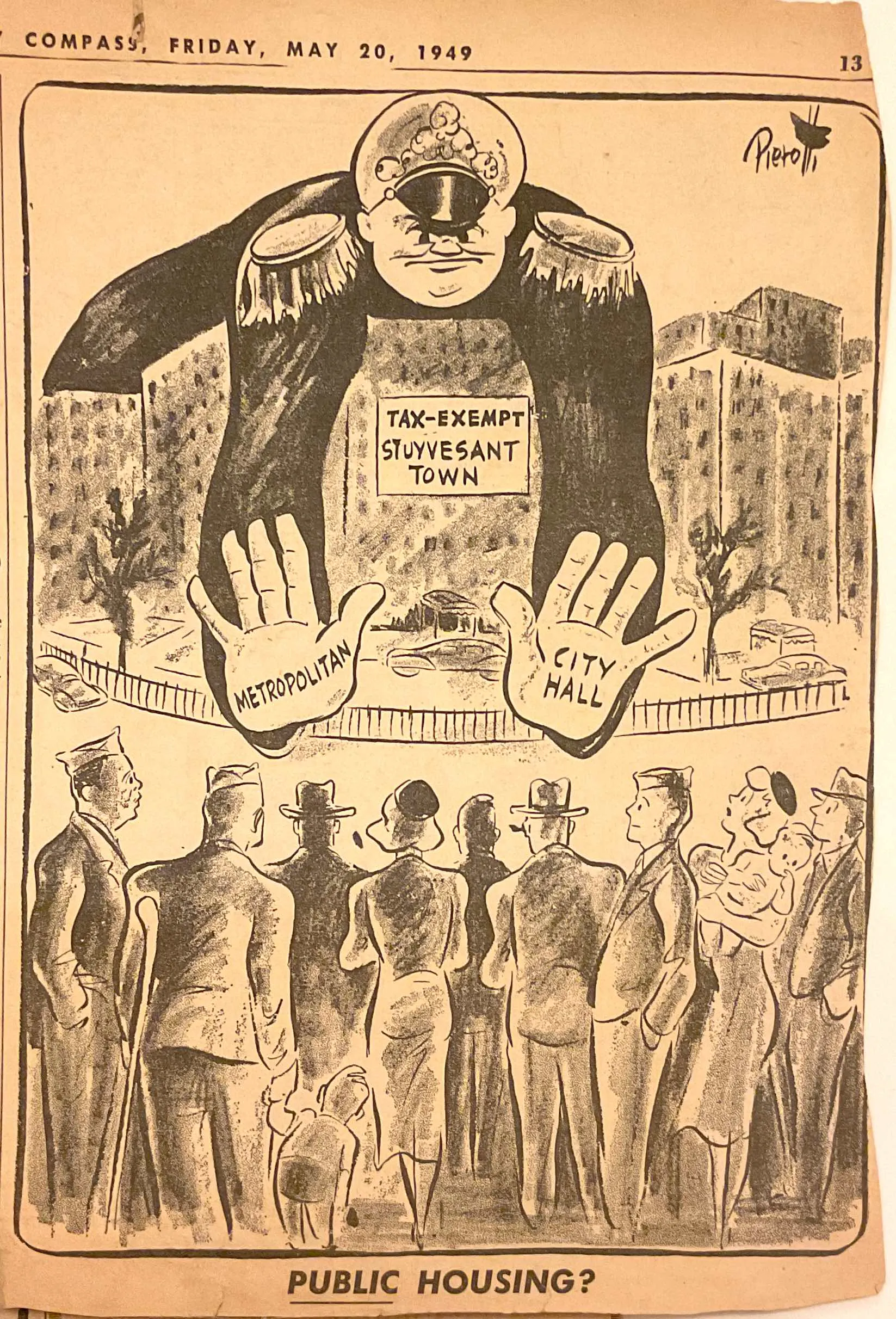
This 1949 cartoon depiction of StuyTown in The Daily Compass (1949-1952) called into question the accuracy of the Metropolitan Life Insurance Company’s status as a private landlord. The Patricia D. Klingenstein Library, The New York Historical.
Civil rights groups including the National Association for the Advancement of Colored People (NAACP), the American Jewish Congress, and the American Civil Liberties Union viewed Stuyvesant Town’s acceptance policies as motivation to advocate for changes in New York’s housing laws. Indeed, the Metropolitan Life Insurance Company faced opposition for its discriminatory housing policies from city council members, the press, and even its own residents.
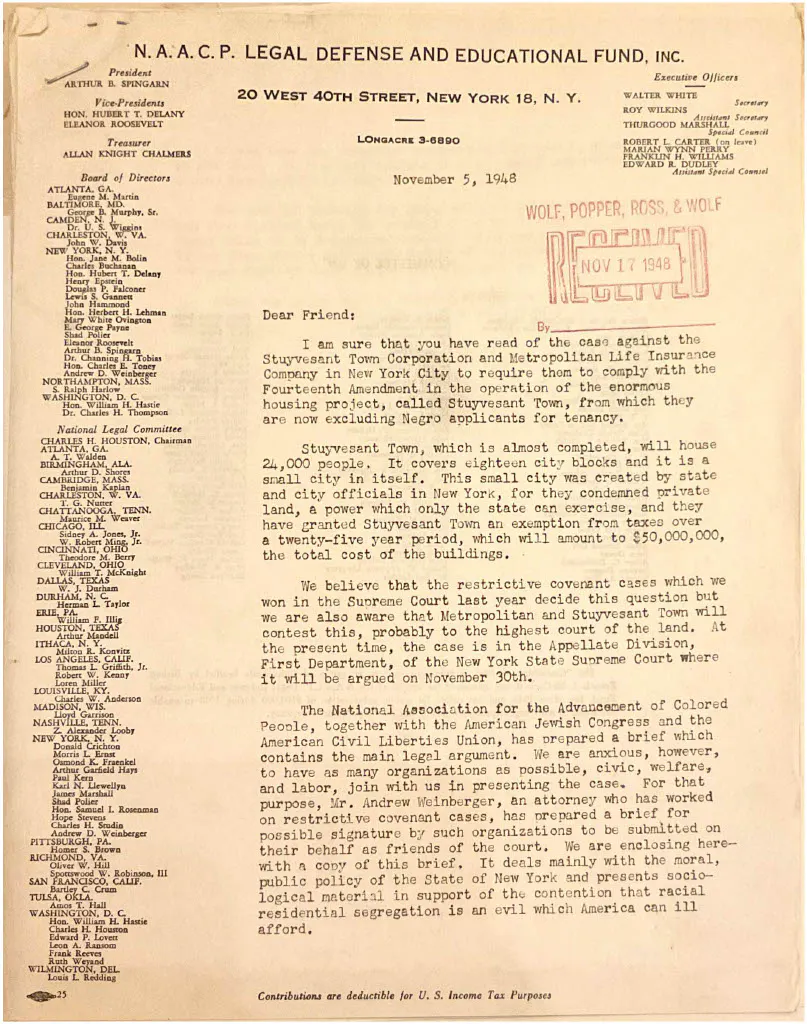
This November 5, 1948 letter signed by Thurgood Marshall and sent out by the NAACP, describes “racial residential segregation” as “an evil which America can ill afford.” The Paul Ross Papers. The Patricia D. Klingenstein Library, The New York Historical.
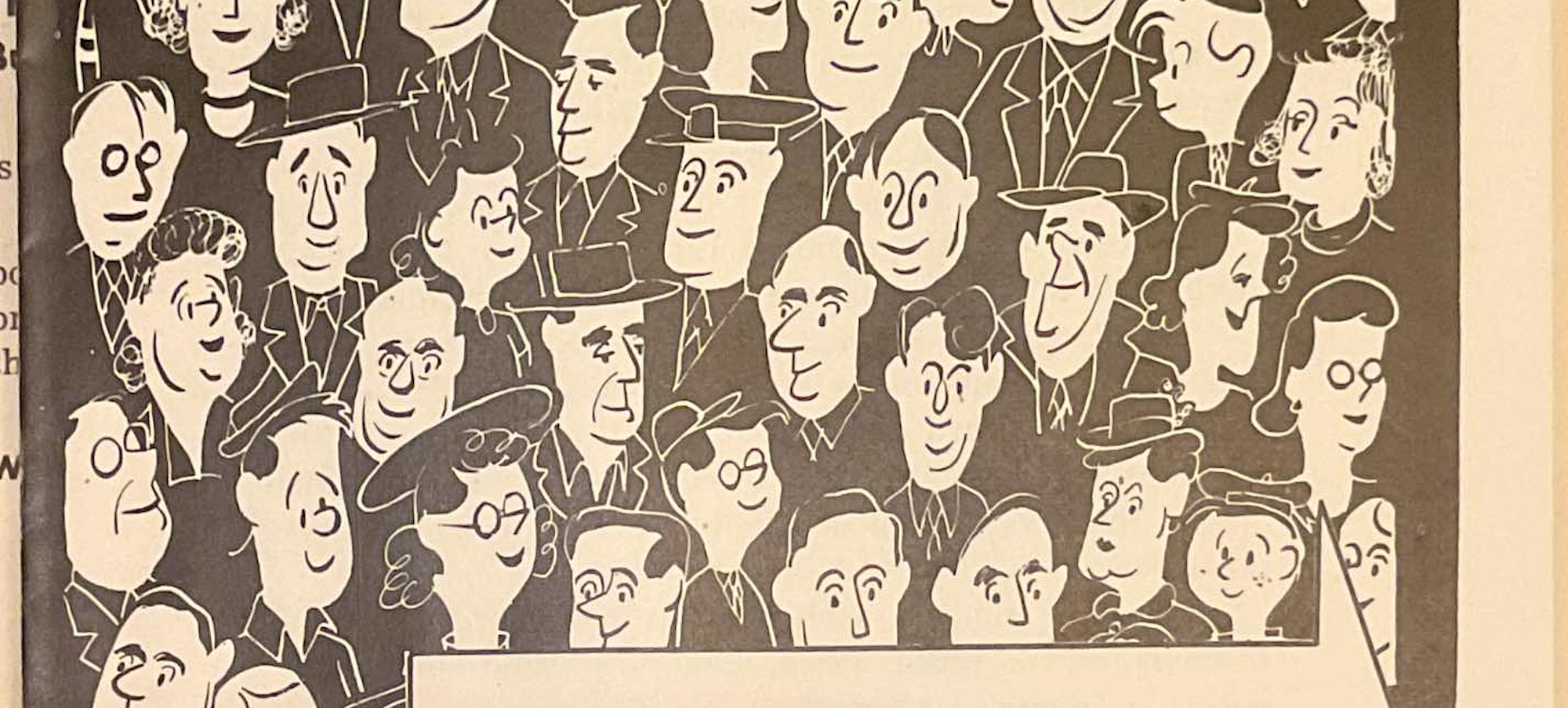
In October 1948, a little over a year after the first tenants moved into Stuyvesant Town, residents of the complex formed the Town & Village Tenants’ Committee to End Discrimination in Stuyvesant Town. Paul L. Ross, a resident of Stuyvesant Town and the former City Rent Commissioner, was the committee’s chairman. The Committee recruited 1,800 members and advocated for desegregating StuyTown through organized demonstrations, letter-writing and phone-call campaigns, and the publication of pamphlets. The Tenants’ Committee published pamphlets like What’s Wrong with This Picture*. The answer is found inside the pamphlet. The cover illustration depicts the lease holders in StuyTown, all of whom were white.
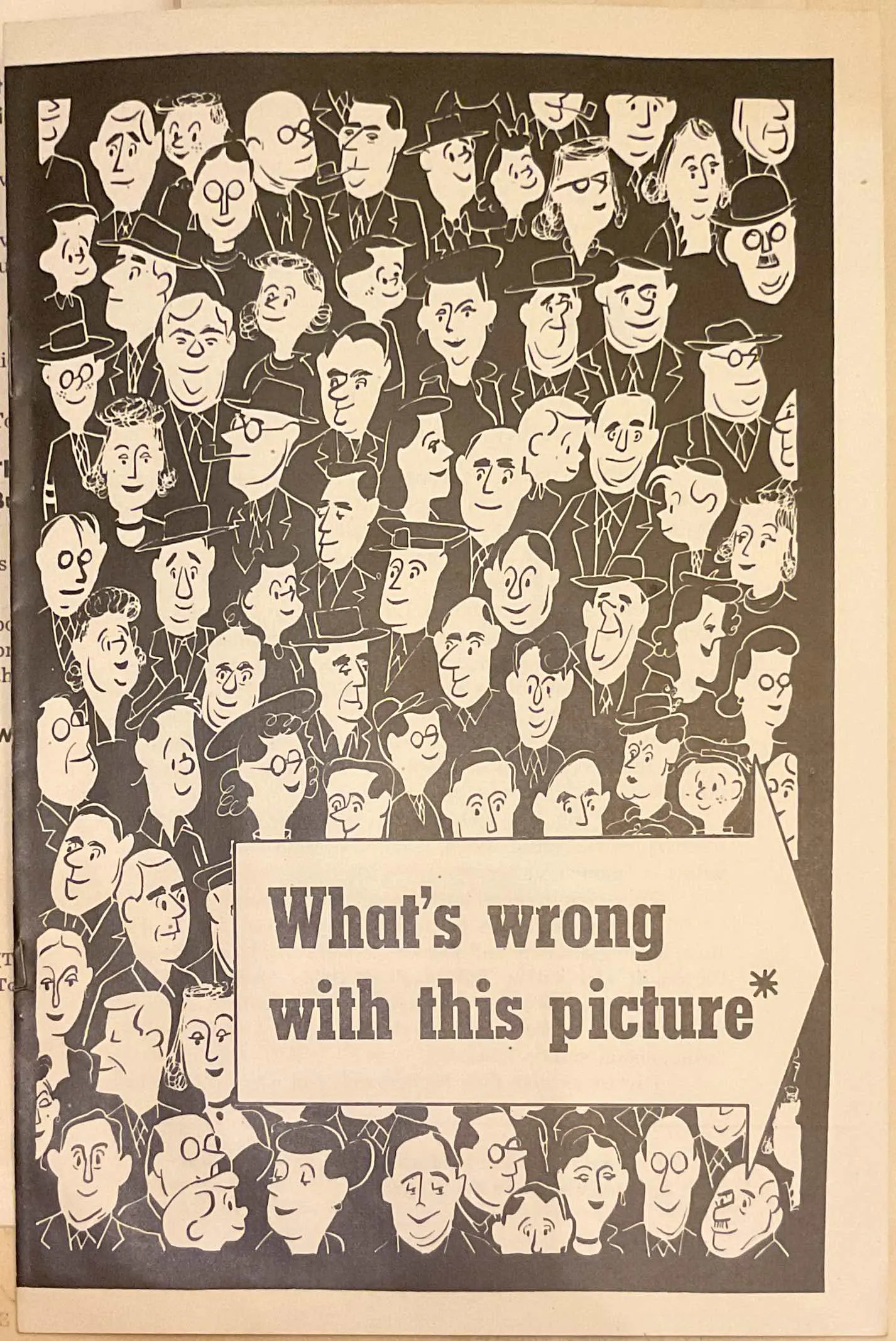
What's Wrong with This Picture?*, published by the Town and Village Tenants' Committee to End Discrimination in Stuyvesant Town in 1950. The Patricia D. Klingenstein Library, The New York Historical.
Ultimately, the Metropolitan Life Insurance Company was forced to acknowledge its own racist policies in 1952. Dr. Lee Lorch, a resident and leading member of the Town & Village Tenants’ Committee to End Discrimination in Stuyvesant Town, invited the Hendrixes, a Black family, to stay as guests in his apartment while he taught at Penn State for the year.
The Metropolitan Life Insurance Company retaliated by threatening to evict the leading members of the Tenants’ Committee. After three days of protests led by New Yorkers at Stuyvesant Town, City Hall, and outside the Metropolitan Life Insurance Company's headquarters, the company bowed to public pressure, dropped the evictions, and rented an apartment to the Hendrixes. The path to ending discrimination in housing was far from over, but the incident was an important victory. The case helped lay the foundation for the passage of the Brown-Isaacs law in 1958 and the Fair Housing Act of 1968, which made housing discrimination a federal crime.
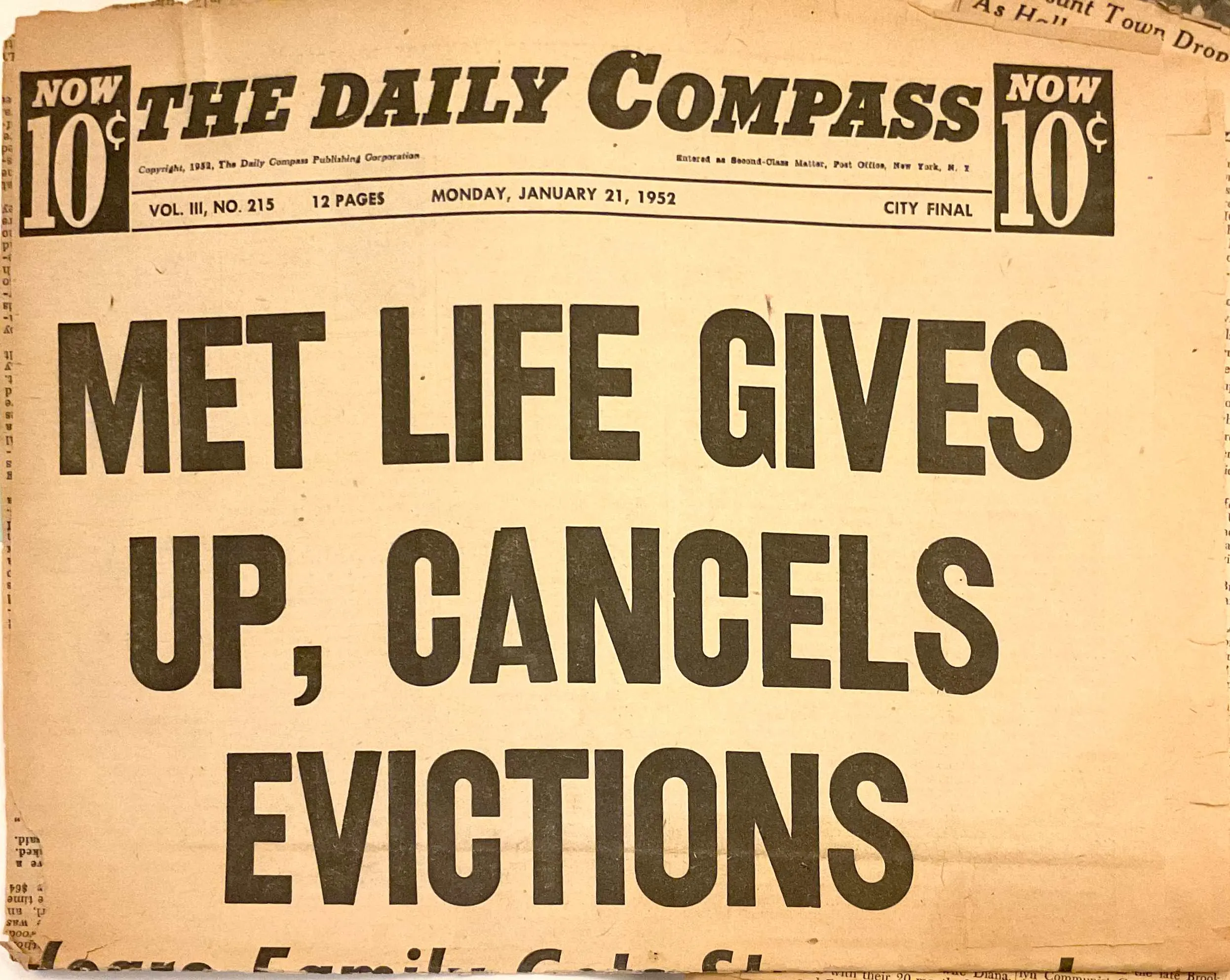
The January 21, 1952 edition of The Daily Compass with the headline news: “Met Life Gives Up, Cancels Evictions.” Patricia D. Klingenstein Library, The New York Historical.
The Paul L. Ross Papers are part of the manuscript and archival collections held by the Patricia D. Klingenstein Library at The New York Historical. To learn more about the Library’s holdings and to plan a visit, please visit the website.
Grace Wagner is a Reference Librarian at the Patricia D. Klingenstein Library at the New York Historical.
Collections Used
- Paul L. Ross Papers 1933-1978
https://findingaids.library.nyu.edu/nyhs/ms3138_paul_ross/all - Clarke & Rapuano Landscape Architecture Collection, 1935-2002
https://findingaids.library.nyu.edu/nyhs/pr080_clarke_rapuano/ - About us and our friends. Metropolitan Life Insurance Company
- Stuyvesant Town: This is Your Home. Metropolitan Life Insurance Company
Keep Reading
- From the StacksJune 29, 2026
The Patriotick Barber Gets a New Look
An 18th-century satirical print depicting the interior of a barber shop speaks volumes about style and politics in New York City. - From the StacksMay 1, 2026
How New York City—and the Nation—Got Its First Cancer Hospitals
Two different approaches—epitomized by two early New York City hospitals—characterize divergent views about early cancer treatment in the United States. - From the StacksMarch 23, 2026
A Journey Up Broadway: Discovering a Remarkable 1905 Photo Album
- From the StacksJanuary 28, 2026
Photographing the Immigrant Experience: Alexander Alland at The New York Historical
Alexander Alland's photography offers a snapshot of immigrant life in the first half of the 20th century.