June is drawing to a close, bracketed by the unabashedly queer 79th Tony Awards ceremony at the beginning of the month and the 57th annual New York City Pride March towards the end. What better time could there be for the Center for Women's History to take a look back over the history of LGBTQ+ women in New York City theater? It's a longer lineage than you might imagine—indeed, our current installation on the fourth floor of The New York Historical starts in the early 19th century with one of the first internationally renowned US celebrities: actor Charlotte Saunders Cushman.
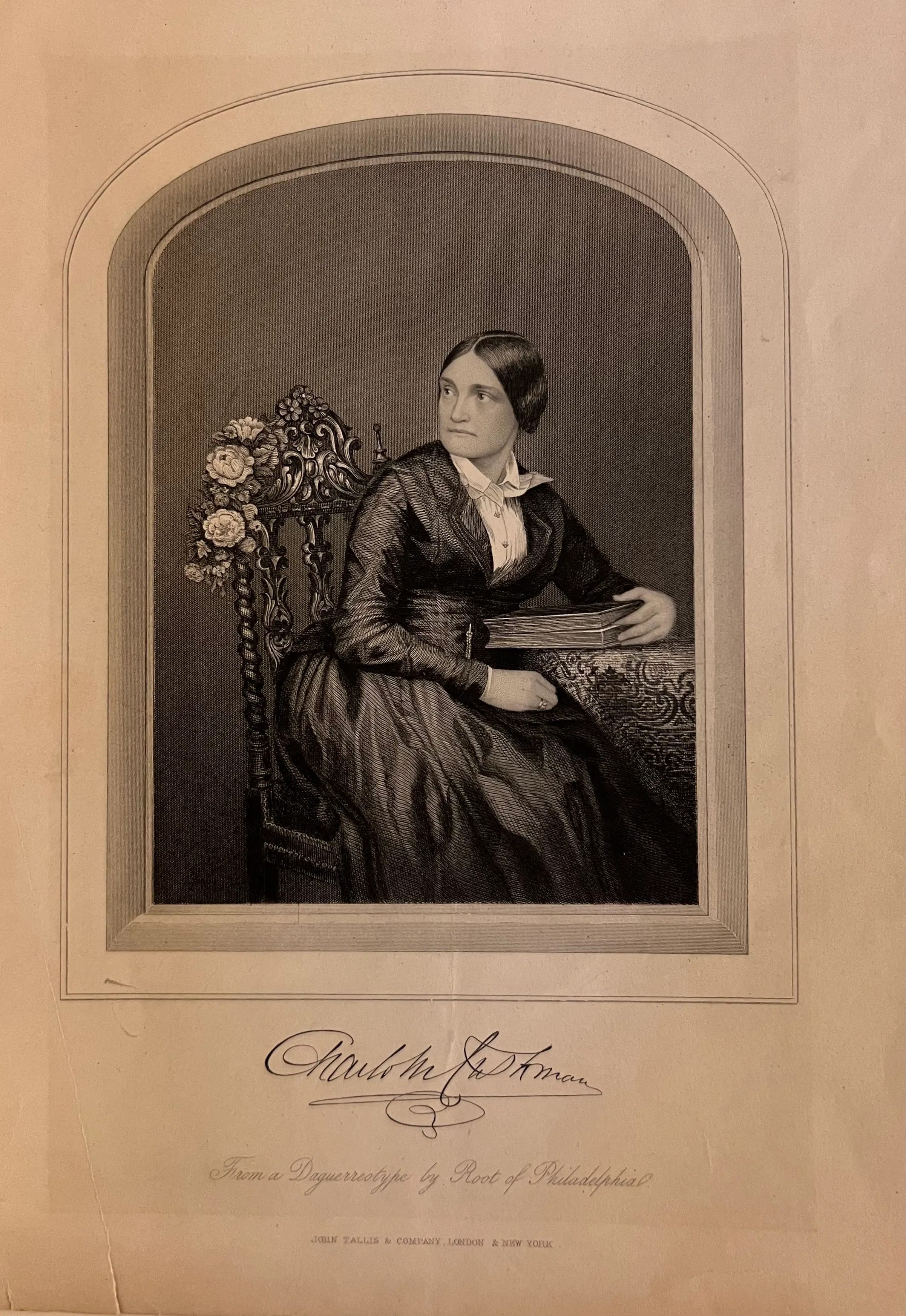
Unidentified printer. Charlotte Cushman (1816–1876), from a daguerreotype by Root of Philadelphia. London and New York: John Tallis & Co., active ca. 1838–1851. Patricia D. Klingenstein Library, The New York Historical
Cushman's success was extraordinary, especially given its duration—most of her contemporaries had relatively short careers. At the time, far fewer roles existed for women than for men, and those that were available were primarily youthful ingénues, love interests, and a few mothers. (Ironically, the demands of 19th century theatrical work, which included long nights spent performing and long months spent traveling, did not comport with the era’s expectations of family life, which meant that many women left the stage when they married or had children.) Moreover, for much of the 1800s, the legal doctrine of coverture governed married women in the United States. A holdover from British colonial rule, coverture gave husbands extensive control over their wives' property and income. High-earning women were therefore financially vulnerable—and some leading ladies earned significant sums. During the antebellum years, stars could earn up to $100 per week; in comparison, a female teacher during the same period could expect to earn less than $5 weekly, and a female worker in a cotton mill might earn around $3. The state-by-state passage of Married Women's Property Acts did much to erode the doctrine of coverture in the latter half of the century (New York's 1848 law was particularly impactful) but it took several decades for the process to be completed. Meanwhile, theater women like Cushman who chose not to marry encountered a different set of hurdles. Given the paucity of roles available to older women, the question of how they could support themselves over the long term was very pertinent, especially given the volatility of the 19th-century economy.
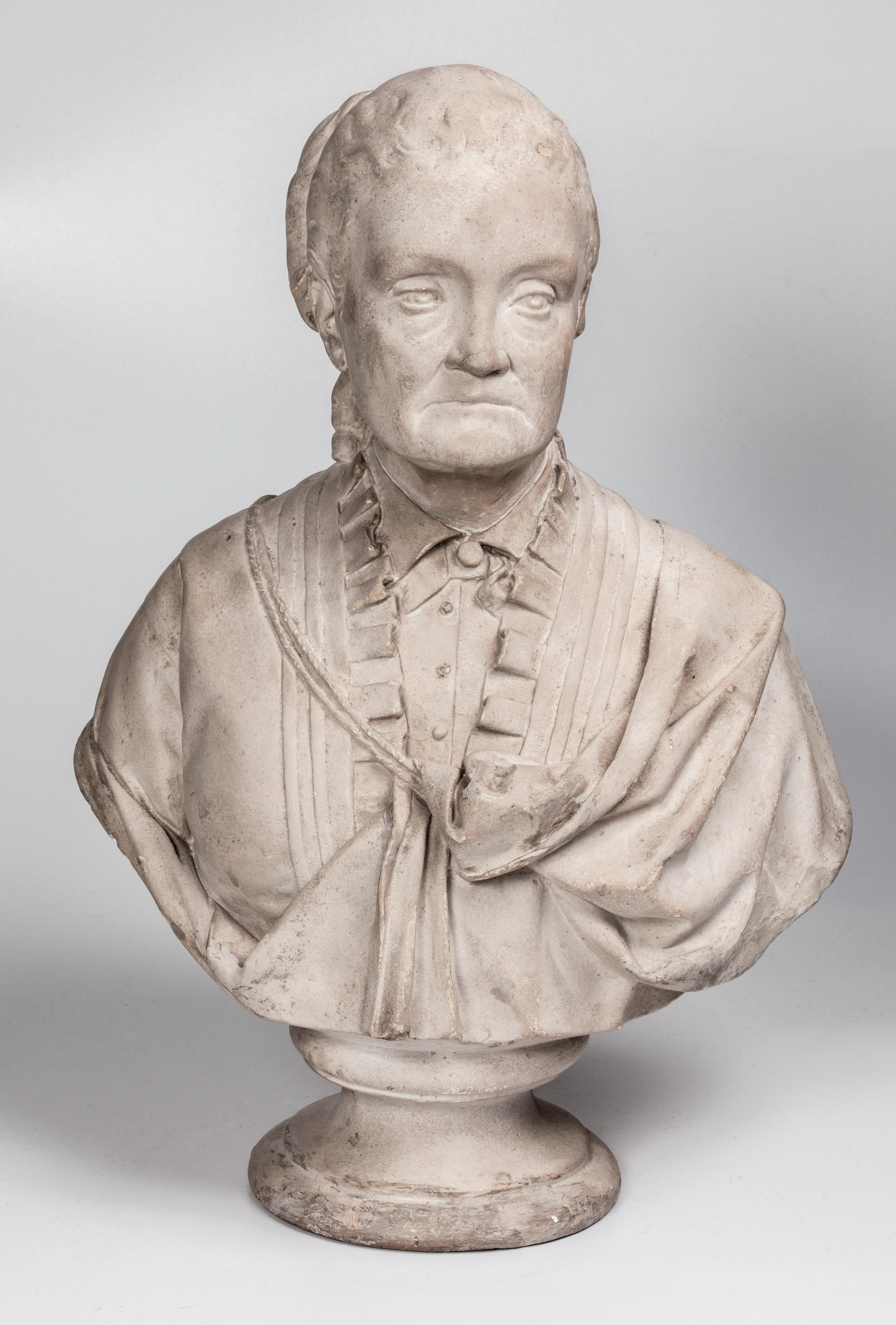
David Richards (1829–1897). Charlotte Saunders Cushman (1816–1876), ca. 1870. Painted plaster. The New York Historical, Gift of Edmund B. Child, 1942.315
Cushman's early life was deeply impacted by the periodic boom-and-bust cycles of the time. The Panic of 1819 hammered her father’s mercantile business, and he eventually abandoned the family, plunging them into poverty. Cushman’s stage debut at age 18 was soon followed by the Panic of 1837, which depressed the US economy for years afterwards. Although Cushman's early roles included plum parts such as Shakespeare's Lady Macbeth and Meg Merrilies from Sir Walter Scott's Guy Mannering, she had to stretch a $20 weekly salary from New York’s Park Theatre to support not only herself but her mother, her younger sister Susan, and her infant nephew. (Susan's 60-year-old husband, whom she married when she was 14, had abandoned her while she was pregnant.)
Cushman's interpretation of Meg Merrilies was considered a particular triumph, and in many ways emblematic of her acting as a whole: though not considered conventionally feminine or beautiful (she was described as tall, deep-voiced, and "lantern-jawed"), Cushman mesmerized audiences by committing herself fully and passionately to her roles. Thirty years after the fact, an article in Harper's Bazaar recalled Cushman's first appearance as Meg, a "Gypsy" (Romani) woman whose prophetic powers drive the plot: though she was then in her early twenties, Cushman contrived to transform herself into "a weird being, wrinkled, bent, hollow-eyed, a staff clutched in her skeleton hand, a wonderful costume of tatters and faded colors, yet withal a presence of power and grandeur, a dignity and command in speech and voice." Her British co-star was so enraptured by her opening night performance that he reportedly exclaimed, "Oh, had you done to-night's work on a London stage, your fortune would be made!" Perhaps this remark was on Cushman's mind when she traveled to England in 1844, where she created a sensation in the role of Romeo, playing opposite her sister Susan as Juliet.
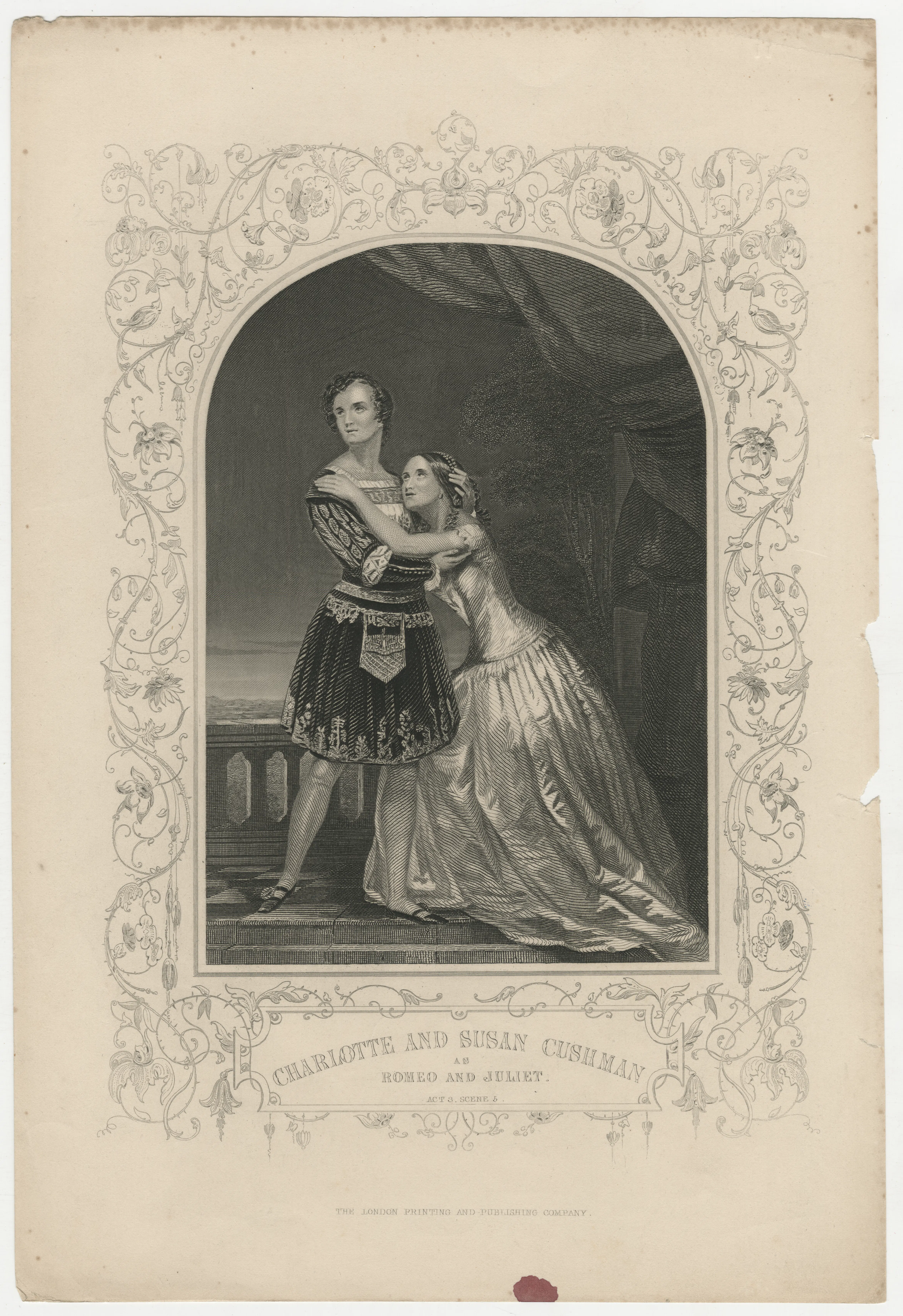
After Margaret Gillies (1803–1887). Charlotte and Susan Cushman as Romeo and Juliet. London: The London Printing and Publishing Company, after 1846. Patricia D. Klingenstein Library, The New York Historical
It was not unusual for 19th-century women to play "breeches roles," but Cushman was especially gifted. As one critic wrote, "Her great vigor of mind and power of adaptation were best displayed in male characters," from Romeo to Hamlet to Henry VIII's Cardinal Wolsey. She captivated critics and audiences alike with her fiery performances, commanding international respect—and, by the time she returned to the US in 1849, Cushman was armed with accolades from London that enabled her to command a salary equal to her male co-stars.
Cushman's success also enabled her to take lengthy breaks over the course of her decades-long career. For example, she spent part of the 1850s in Rome, at the center of a notable group of artistic women which included her partner, sculptor Emma Stebbins. She also spent time recuperating from surgeries to treat recurrent breast cancer in 1869 and 1874. By that point in her life, Cushman's celebrity was such that she was able to return to the stage as an orator, delivering recitations and dramatic readings from a podium or a chair when she felt too ill to stand unsupported. She was also able to take advantage of a new source of income that developed in the mid-19th century, which remained available to her even during her periodic "retirements"—the sale of photographs.
The introduction of “wet-plate” glass negatives in the late 1850s allowed the mass reproduction of prints on paper, as opposed to daguerreotypes, ambrotypes, and tintypes—earlier and more expensive photographic forms that produced unique, one-off prints. Then, in 1865, President Abraham Lincoln extended copyright protections to photographs. These two developments allowed celebrities like Cushman to monetize public adulation: photography studios would pay for exclusive sittings, then sell the results as collectibles and souvenirs. For example, the studio of Mathew B. Brady captured Cushman's iconic embodiment of Meg Merrilies in the mid-1850s, which the pioneering photo firm E. & H.T. Anthony released as a small carte-de-visite around the time of Cushman's final retirement, shortly before her death.
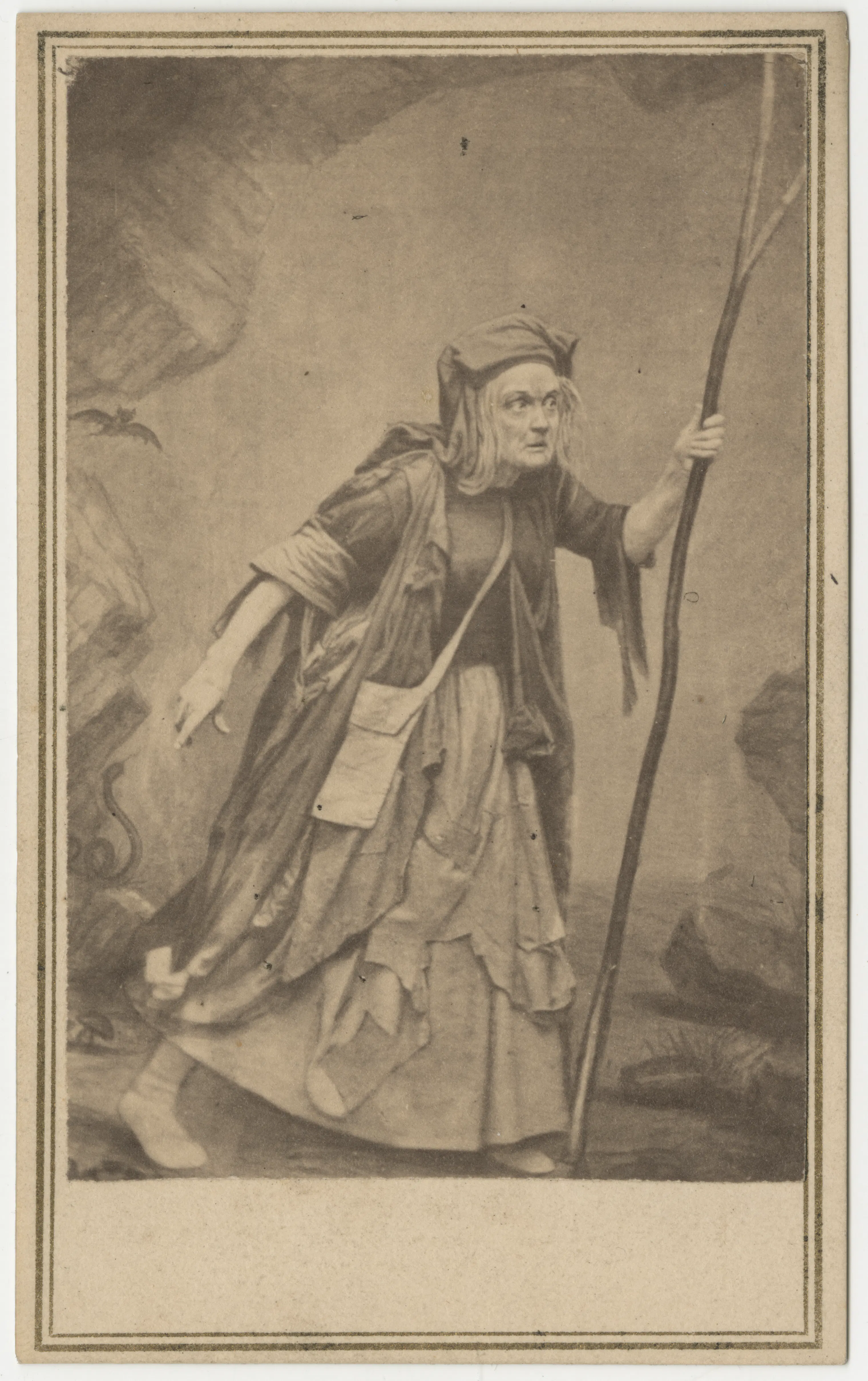
Mathew B. Brady Studio (active 1844–1875). Charlotte Cushman costumed as Meg Merrilies, ca. 1855. Carte-de-visite. New York: E. & H.T. Anthony, ca. 1874. Patricia D. Klingenstein Library, The New York Historical
By the time Cushman died in 1876, she had accumulated substantial wealth, including a house in fashionable Newport, Rhode Island, that had been designed and built by the celebrated architect Richard Morris Hunt in 1872. An article in the Chicago Daily Tribune detailed the bequests made in her will, including the annuities paid out to her family, both blood and chosen: Emma Stebbins received $1,500 per year, as did Cushman's brother Charles. Her two nieces received between $750 and $1,250 per year (depending on their marital status), and her nurse Sallie Mercer received $500 yearly. All the income left over went to her nephew, Edwin "Ned" Cushman, and his family—which included Emma Crow Cushman, Ned's wife. Although the New York Times eulogized Charlotte Cushman as the “virgin queen of the dramatic stage,” she had in fact engaged in a passionate romantic relationship with Emma before her marriage. Indeed, much of what we now know about Cushman's intimate life is due to the preservation of her letters to Emma Crow Cushman, who elided Charlotte's request that her correspondence be destroyed.
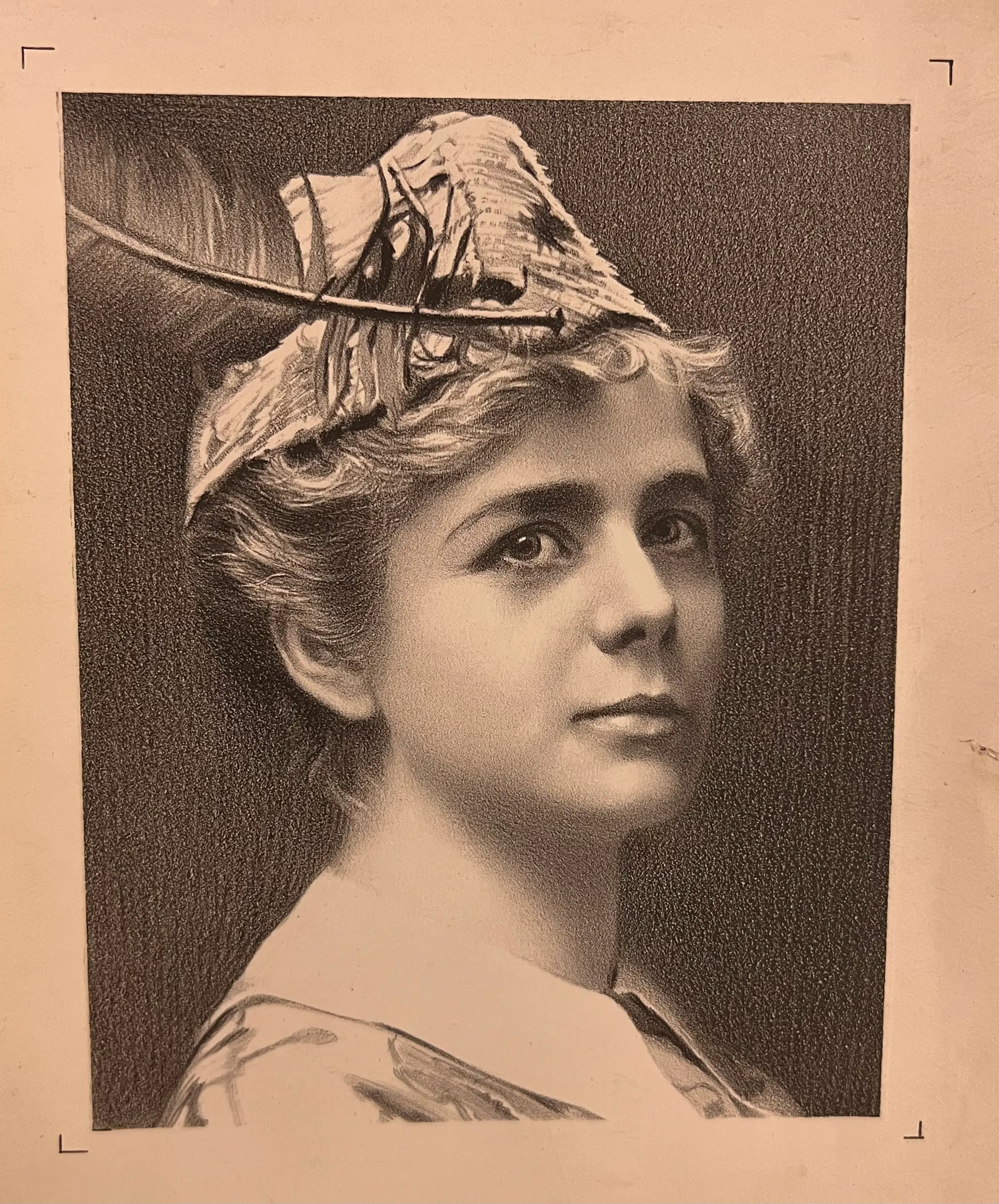
Unidentified artist. Maude Adams as Peter Pan, ca. 1905. Half-tone engraving. Patricia D. Klingenstein Library, The New York Historical
Like Charlotte Cushman before her, Maude Adams (1872–1953) was a renowned actor who, over the course of her long career, found many of her greatest successes playing male roles. These included Napoleon II, the lead rooster in Edmund Rostand's 1911 play Chanticler, and, of course, her lucrative turn as Broadway's first Peter Pan.
Adams was born to a theatrical family—her mother carried her onstage for her first appearance when she was less than a year old. She made her Broadway debut in The Paymaster in 1888, and shortly thereafter joined producer Charles Frohman at the Empire Theatre Stock Company. Frohman, alongside his brothers Daniel and Gustave, would become a powerful figure in American theater history: at one point, he controlled theaters not only in London and New York but, as co-founder of the Theatrical Syndicate, held a monopoly on bookings in an additional 200 theaters across the United States. As a rising star in Frohman's system, Adams soon outgrew juvenile roles and began playing leads, often in romantic comedies such as The Masked Ball and The Butterflies.
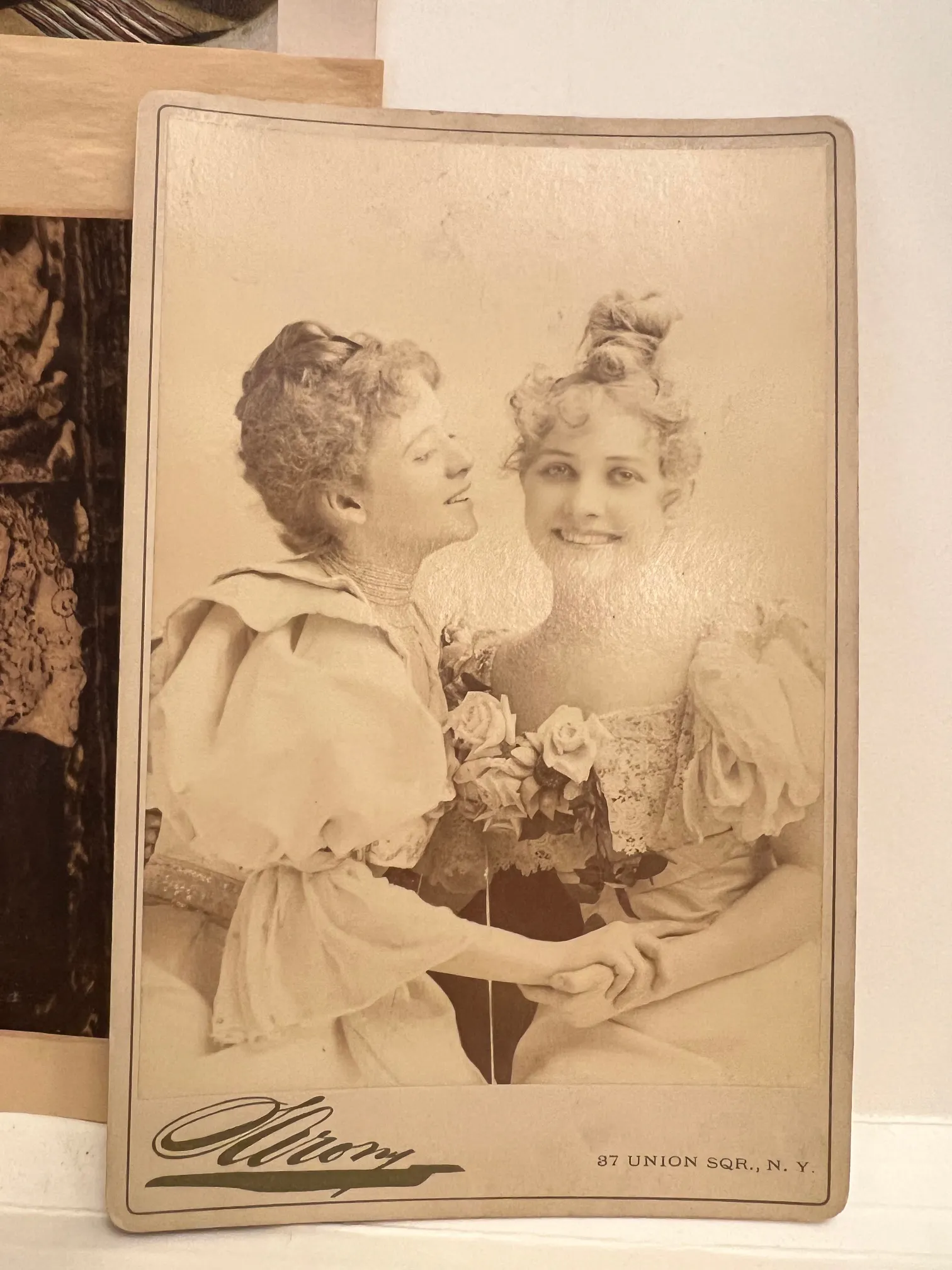
Napoleon Sarony (1821–1896), photographer. Maude Adams and Olive May in The Butterflies, ca. 1894. Cabinet card. Patricia D. Klingenstein Library, The New York Historical
Frohman’s backing advanced Adams’ career, but it was her talent that brought about some of his biggest box-office successes. In 1896, Frohman arranged for J. M. Barrie to watch Adams perform in the sentimental comedy Rosemary. The Scottish author was reportedly so impressed with her skill that he agreed to adapt his popular novel The Little Minister for the stage so she could play Lady Babbie, the female lead—he even lengthened and expanded the role to suit Adams' talents. The play met with enormous success, and Adams went on to star in many more of Barrie’s popular adaptations, including Quality Street (1901), What Every Woman Knows (1908), and A Kiss for Cinderella (1916).
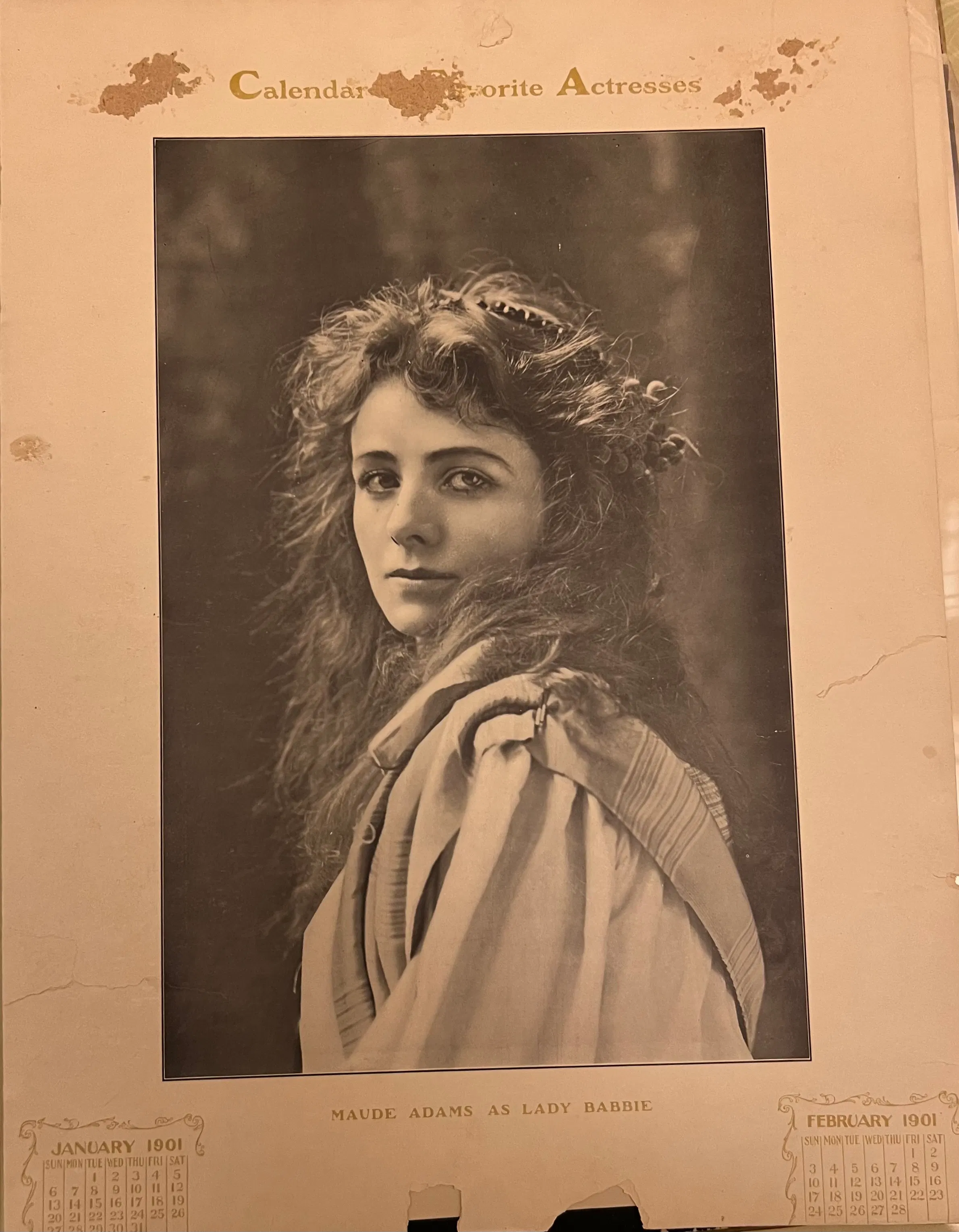
Napoleon Sarony (1821–1896), photographer. Maude Adams as Lady Babbie in The Little Minister, ca. 1897. Published by Frederick A. Stokes as a half-tone engraving in A Calendar of Favorite Actresses, 1901. Patricia D. Klingenstein Library, The New York Historical
Still, her greatest triumph was Peter Pan, which opened on Broadway in 1905 and broke box-office records. Adams played Peter in over 1,500 performances, earning $20,000 per month and reportedly becoming the highest-paid woman actor in the United States. Her portrayal was a hit with both audiences and critics, with the New York Herald Tribune raving, "What the play would be without Miss Adams is difficult to say… it seemed made for her and she for it. As Peter Pan… she was a Puck, an Ariel, and a blithe child all in one."
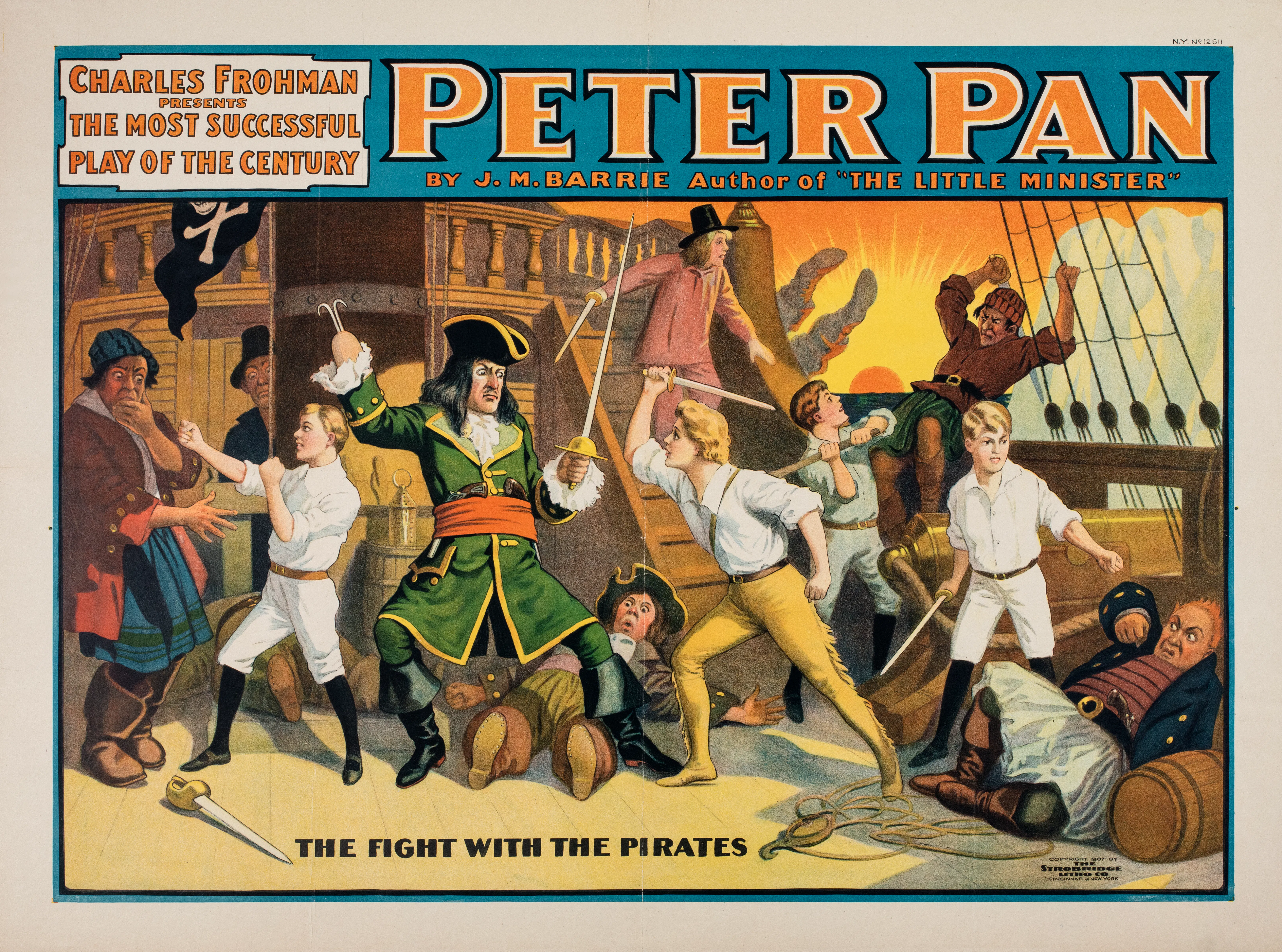
Strobridge Lithograph Company (1847–1971). Peter Pan, 1907. Lithograph. Patricia D. Klingenstein Library, The New York Historical
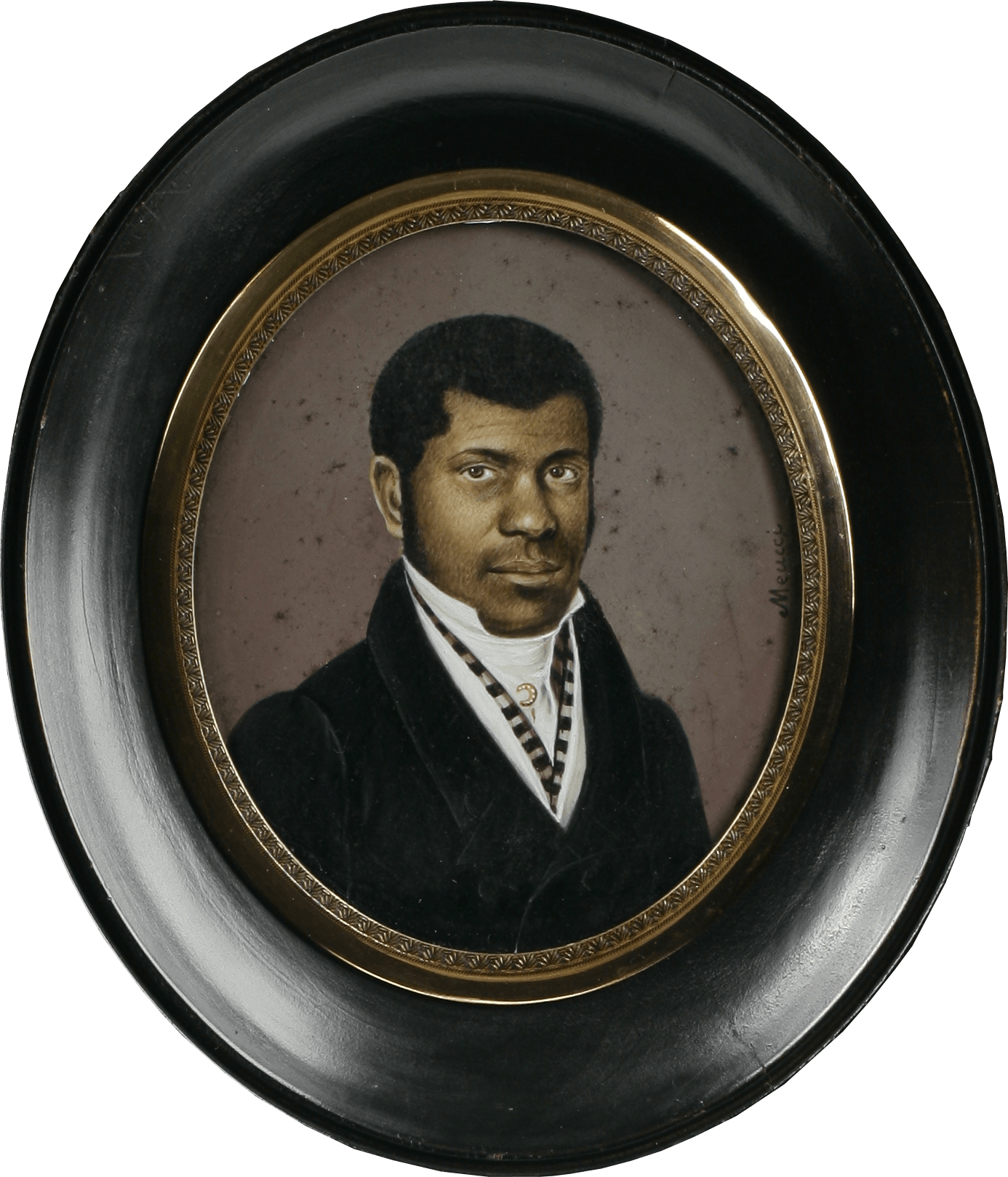
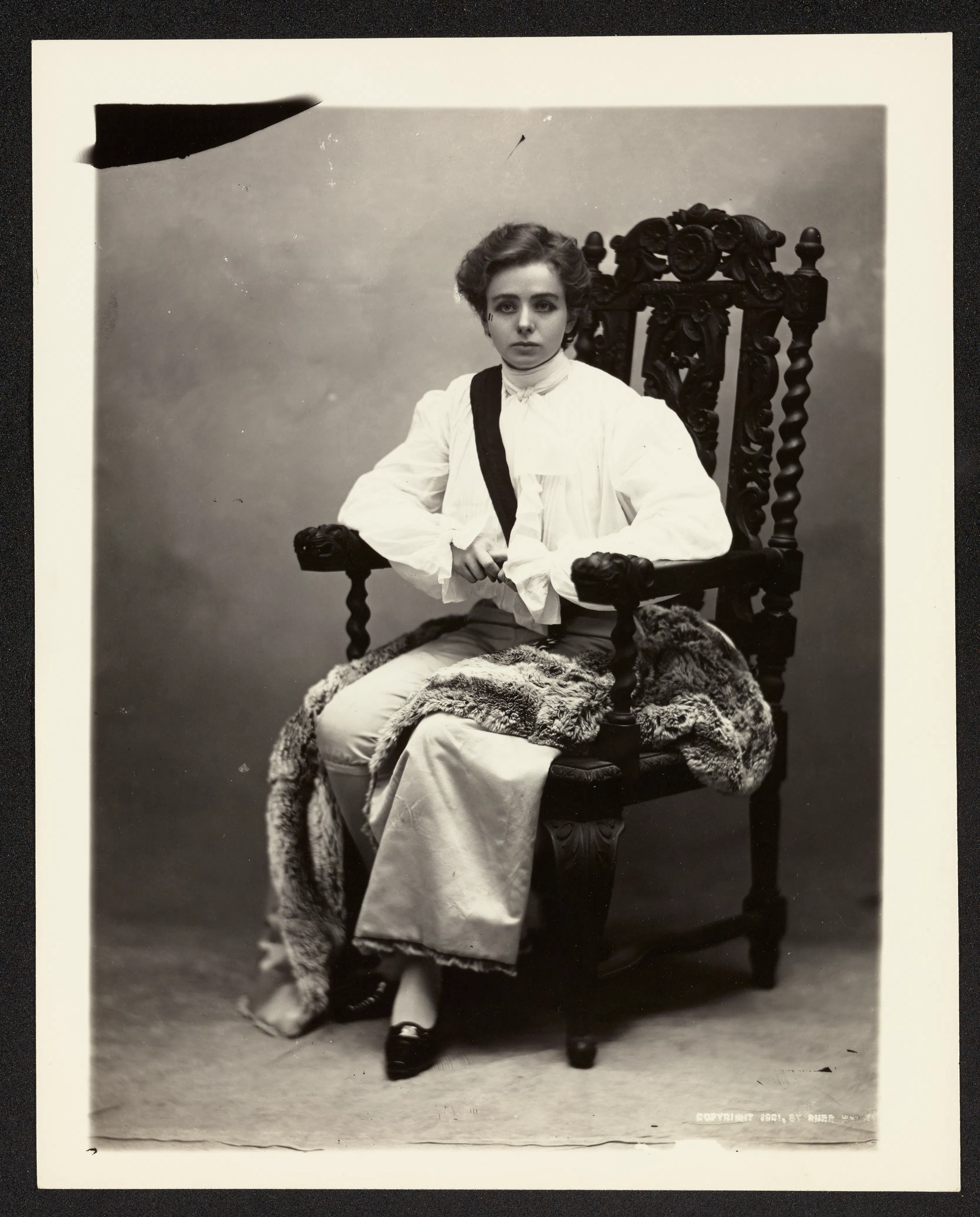
As one might expect of a woman whose portrait was included in Peter Marié's collection of "society beauties" (a group of 300 miniatures that the Gilded Age socialite amassed between 1889 and 1903), Adams was widely acclaimed for her striking looks. Marié likely commissioned the small oval portrait pictured below from a photograph of Adams costumed as Napoleon II in L’Aiglon, similar to the image beside it, which was taken by celebrity photographer Burr McIntosh. In 1908, Adams would appear on the cover of his magazine Burr McIntosh Monthly, costumed as a male character, Chicot, from a comedy entitled The Jesters. This indicates the wide-ranging appeal and popularity of Maude Adams publicity portraits, even—or, perhaps, especially—when she was portrayed in male attire.
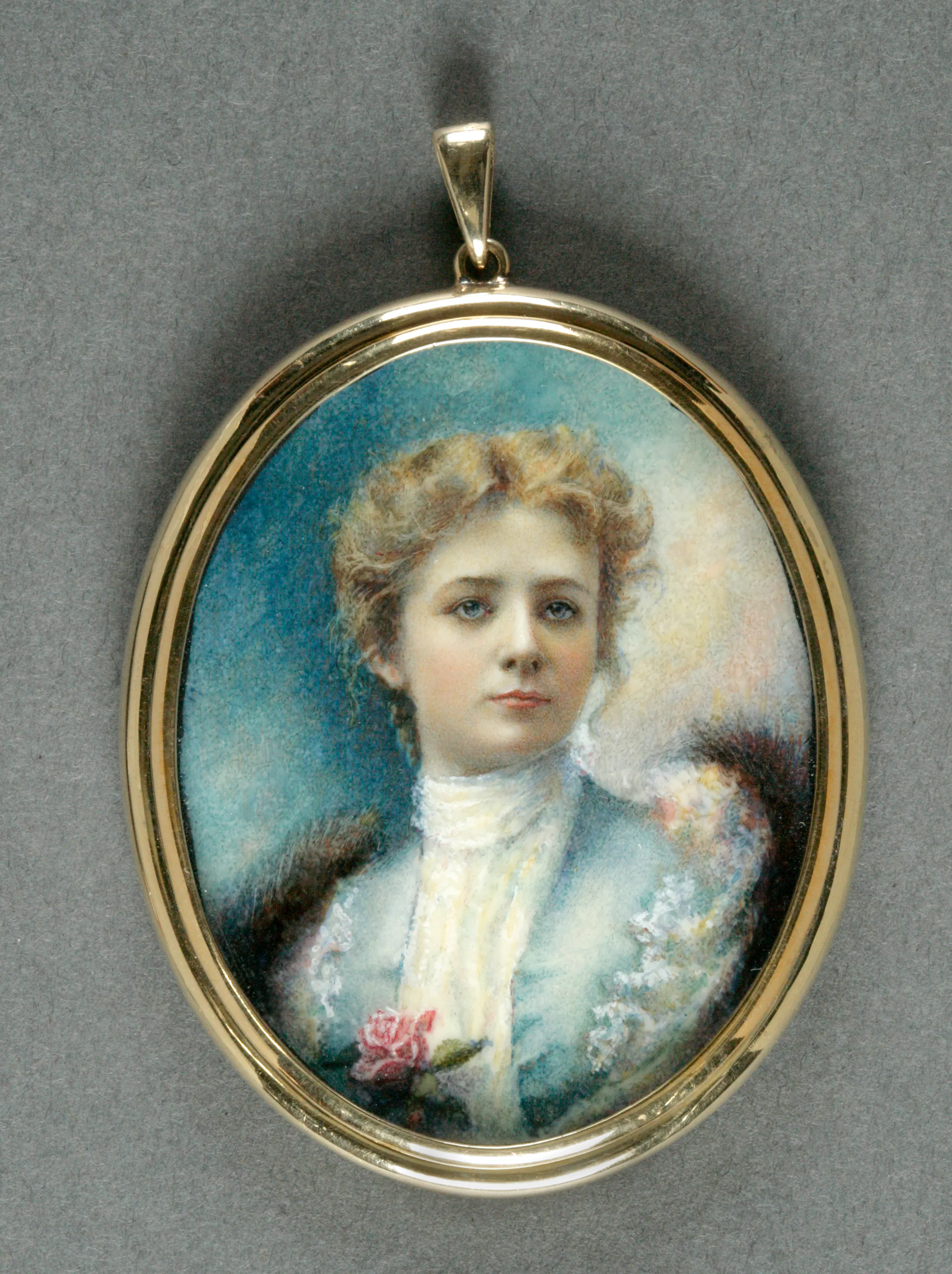
First: Clausen Coope (1876–after 1949), artist. Black, Starr, & Frost (founded 1810), maker. Miss Maude Adams (1872–1953), 1902. Watercolor on ivory. The New York Historical, Gift of the Estate of Peter Marié, 1905.1
Second: Burr McIntosh (1862–1942), photographer. Maude Adams in costume, L’Aiglon, ca. 1901. Gelatin silver print. Patricia D. Klingenstein Library, The New York Historical
Still, Adams was much more than a pretty face. Though The New York Times in 1900 called her portrayal of Napoleon II in L’Aiglon “flawless,” the reviewer also took pains to praise the play’s scenery, lighting, and costumes, all of which Adams had designed. Her close professional collaboration with Charles Frohman, and their mutual respect for each other's talents, made such experimentation possible. However, though the press occasionally speculated about a romantic or even marital relationship between the two, the intensely private Adams spent much of her life in two long-term relationships with women: Lillie Florence and, after Florence's death, the journalist and editor Mary Louise Boynton.
Adams received no formal training in production design, but she made good use of her extensive onstage experience. Her career coincided with a revolution in the way theaters were lit: the 1880s saw electric bulbs gradually replace older (and more hazardous) means of illumination, such as highly flammable gas jets and limelights. Adams experimented with fabrics that could diffuse the harsh glare of these early electric lights, and suspended them from catwalks above the stage (today's "light bridge") rather than arranging them as footlights along the perimeter of the stage. Her proficiency with stagecraft went on full display in 1909, when she staged Freidrich Schiller's The Maid of Orleans at Harvard's football stadium, as a benefit for the university's German department. Charles Frohman reportedly ponied up $10,000, enabling Adams to splurge on 11 stage managers, 50 assistants, 200 stagehands and 1,150 actors (some of whom performed on horseback) to execute her vision—for one night only. Over 15,000 astonished spectators witnessed what was, at the time, the nation's largest-ever theatrical production.
Adams retired from the stage in 1918–19, and began working with General Electric and Eastman Kodak to further advance theatrical lighting. She set out to create incandescent lights that would be safe, effective, focused, and movable, in a way that the fragile first generation of carbon filament light bulbs were not. Adams is pictured below with a 30,000-watt tungsten filament lightbulb, the largest in the world; when it was finally patented in the early 1930s, she was listed as lead inventor.
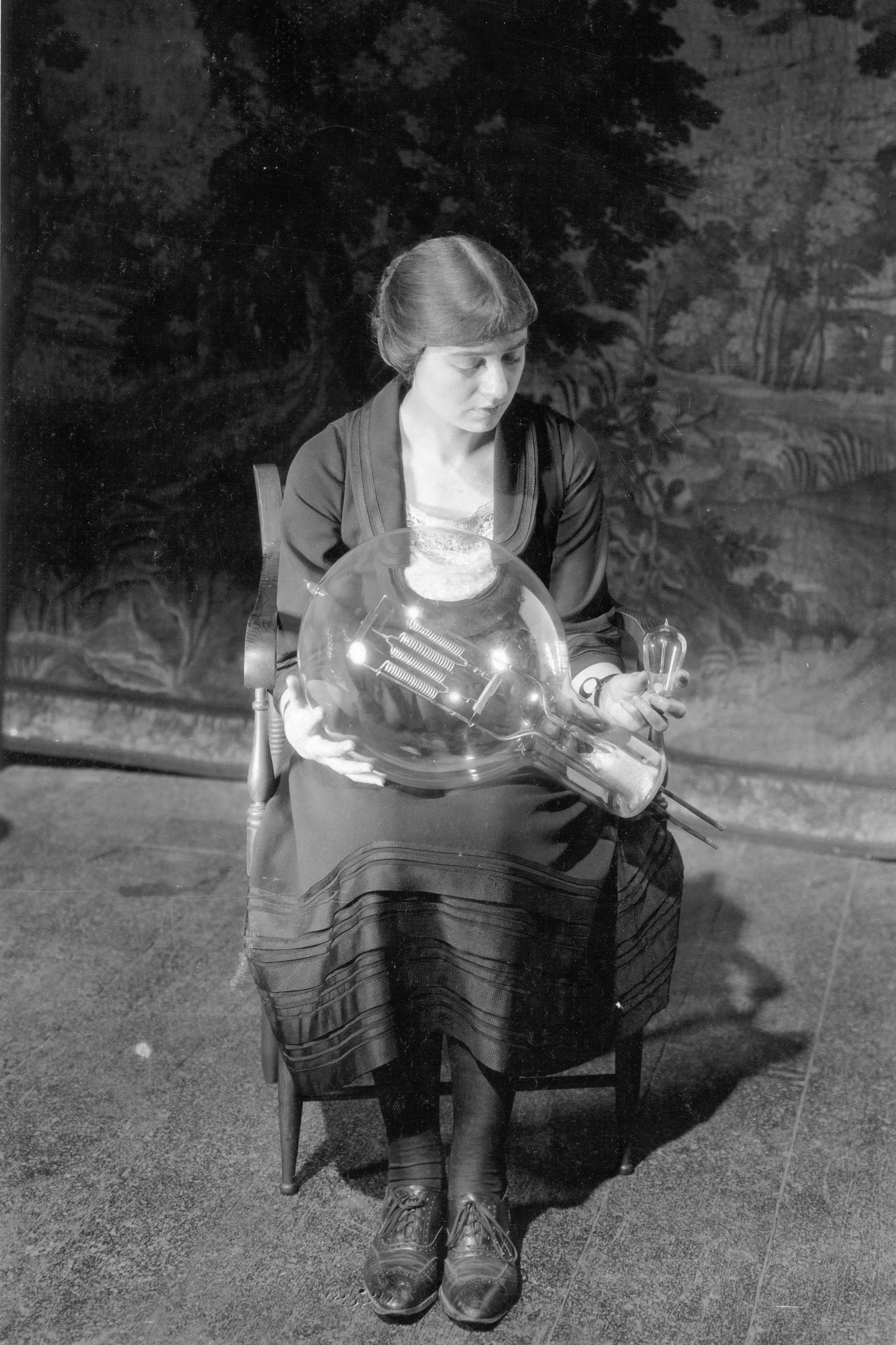
General Electric Co. (founded 1892). Maude Adams with Incandescent Lamps, 1922. Courtesy of miSci | Museum of Innovation and Science, Schenectady
Adams' substantial wealth allowed her to fund this research, and she also considered entering the movie production business during the 1920s, experimenting with her new lights and a new kind of film that would, in 1935, be released as Kodachrome. Adams hoped to bring her starring role as Peter Pan to the screen, she was supposedly interested in filming Aladdin, and she even paid $50,000 for the rights to film Rudyard Kipling's Kim. However, in the end she felt that the available technology forced actors to rely on "cheap sensationalism" to create emotional impact, and she refused to compromise on her artistic principles. In films lacking color and sound, she wrote in a letter to J. M. Barrie, "there is little to appeal to the emotions and the repeated attempts to create sensations become rather monotonous."
Though color film slowly gained ground in the 1930s, by 1937, Adams had changed careers once again, becoming head of the theater department at Stephens College in Missouri. She held this position until 1950. When she died three years later, she was buried next to Mary Louise Boynton, her partner of 45 years.
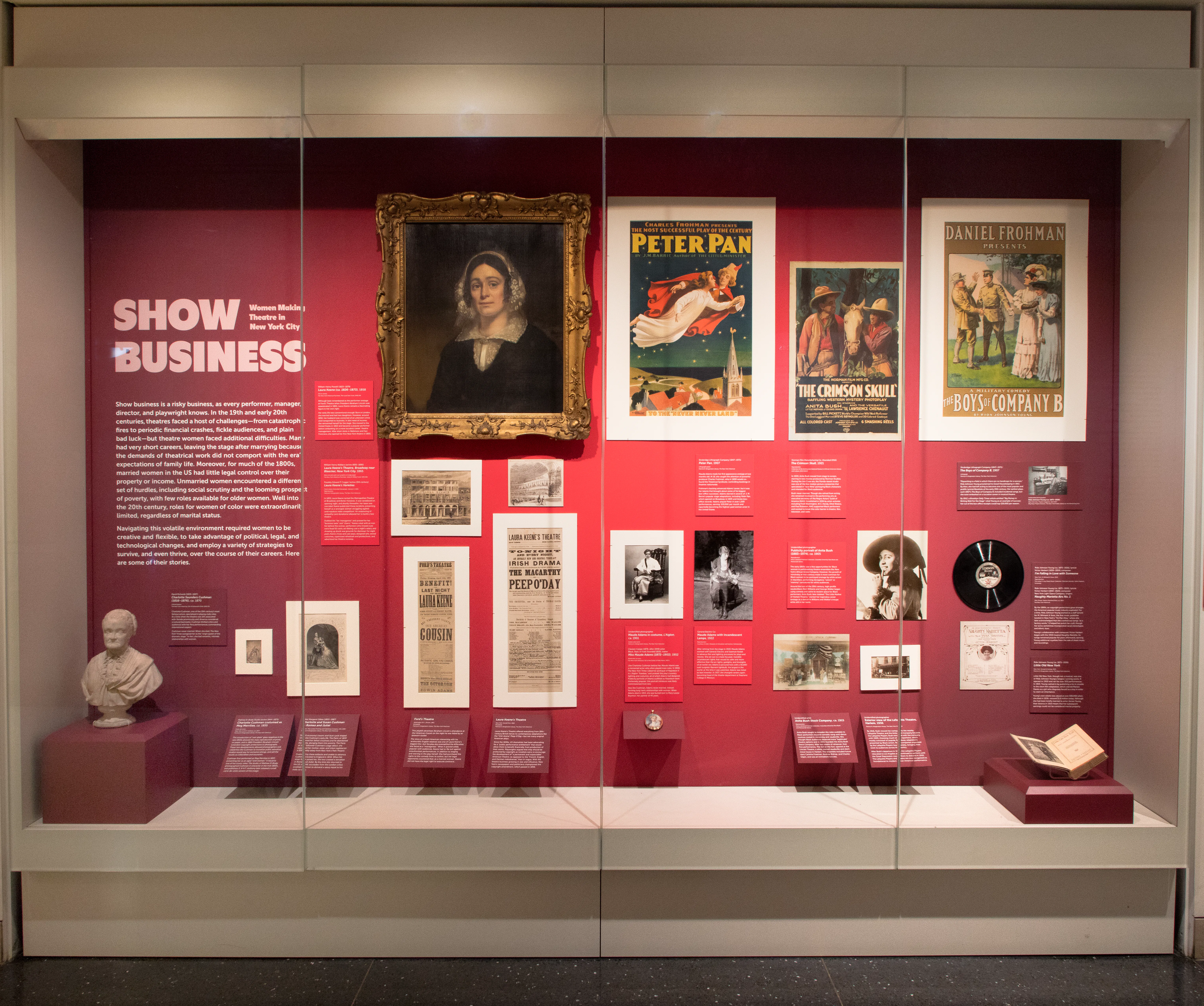
Photo by Glenn Castellano
You can see these objects, and many others, on display in our fourth floor installation, Women Making Theatre in New York City, on view until October 30, 2026.
Written by Jeanne Gutierrez, Manager of Scholarly Initiatives, Jean Margo Reid Center for Women’s History
Keep Reading
- Women at the CenterAugust 3, 2026
A Revolutionary Chocolate Maker: The Business Records of Rebecca Gomez
How did Rebecca Gomez, a Jewish widow and businesswoman, help finance the first home of the New York Stock Exchange? - Women at the CenterJuly 27, 2026
Star-Crossed Lovers of the Revolution: The Letters of Eliza Shipton and Aquila Giles
Was it possible to fall in love across ideological lines during the Revolutionary War? - Women at the CenterJuly 20, 2026
The Things She Carried: Discussing the Power of Purses with Author Kathleen B. Casey
Historian and author Kathleen B. Casey discusses purses as adaptable toolkits that lead multidimensional lives of their own. - Women at the CenterJune 29, 2026
From "Lady Romeo" to the Five Lesbian Brothers: Queer Women in NYC Theatre History, Part 2
In Part 2 of our series on queer women in theatre, the Center for Women's History shifts the focus from 19th century individuals to the spaces and networks of downtown New York's late 20th century theatre scene.