It was going to last for centuries. On June 23, 1959, a group of New York City luminaries gathered on 6th Avenue and 50th Street in Manhattan for the laying of the ceremonial cornerstone in the brand-new Time & Life Building. Part of the expansion of Rockefeller Center, the 48-story skyscraper wouldn’t officially open for business until December. But for now, the assembled were celebrating the latest addition to the midtown skyline and placing a copper box behind the 800-pound slab of limestone emblazoned with the words “Time & Life Building 1959.”
The box was a time capsule devoted to the building’s namesakes and about-to-be occupants: the 40 companies of the Time Inc. media empire, including flagship magazines TIME and LIFE, under the leadership of editor-in-chief Henry Luce. Luce and Laurance Rockefeller—chairman of the Rockefeller Center’s board and brother to Governor Nelson Rockefeller—smiled as they posed with the slab, and Luce proudly told the New York Times, “For much of the work in the world, this is the best location.”
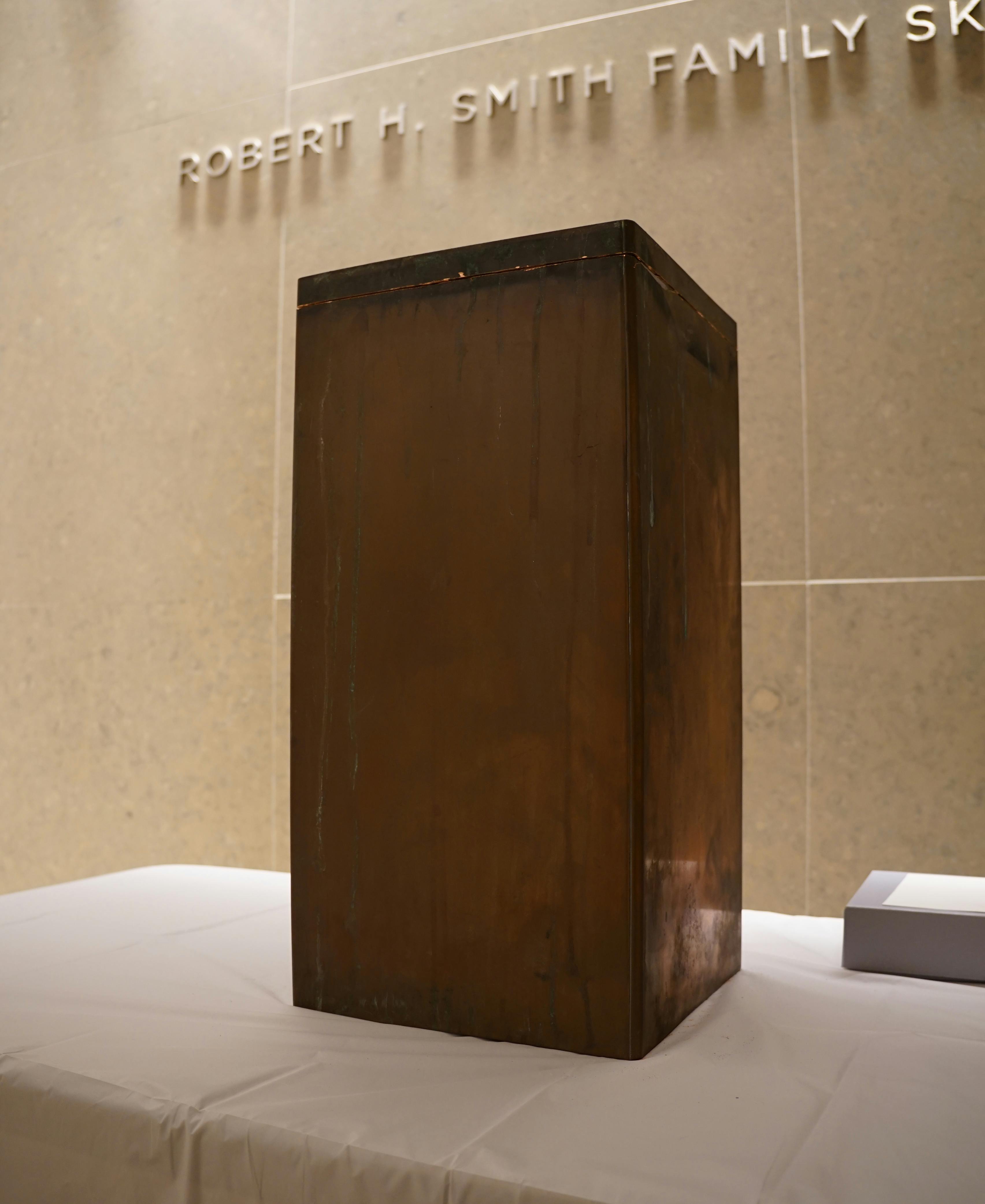
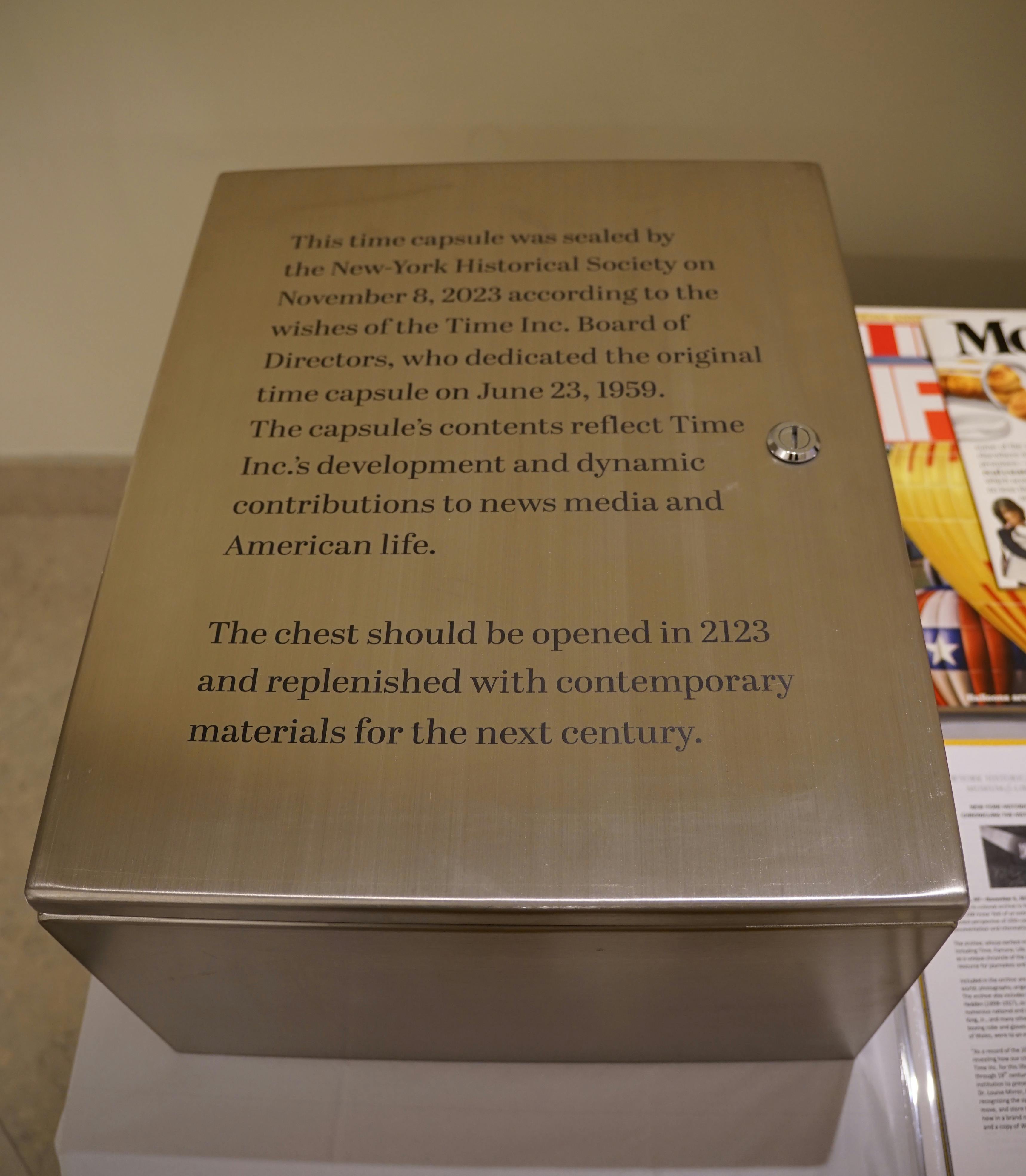
(Left) The original copper box that sat behind the Time-Life Building cornerstone for over 50 years; (right) the new chest created by New-York Historical (Photos: Anna Belle Peevey)
One of the iconic companies of the 20th century, Time Inc. was at the peak of its remarkable powers. The contents of the time capsule were a reflection of that culture: inside the box were workaday artifacts including recent issues of each of the magazine brands, LIFE photography books, program logs from Time-owned radio and TV stations, microfilm about Rockefeller Center, a red pencil “preferred by original Time editors, still in use” and copies of Luce’s speeches on journalism, among other documents. The idea, Time Inc.'s then-president Roy Larsen told the Times, was to open the box in 2023 on the occasion of TIME magazine's 100th anniversary and add more contemporary items. Beyond that? Well, Larsen suggested that the capsule might be replenished every century or so.
When the New York Times published a story about “TIME’s time capsule” in 2017, writer James Barron noted that the whole idea of time capsules was something of a relic. He wrote, “Today they are definitely retro and even slightly goofy, little more than quaint reminders of the way things were. They hint at chest-thumping—we are important enough to have a time capsule!—and history-shaping—we want the people of the future to think about us!”
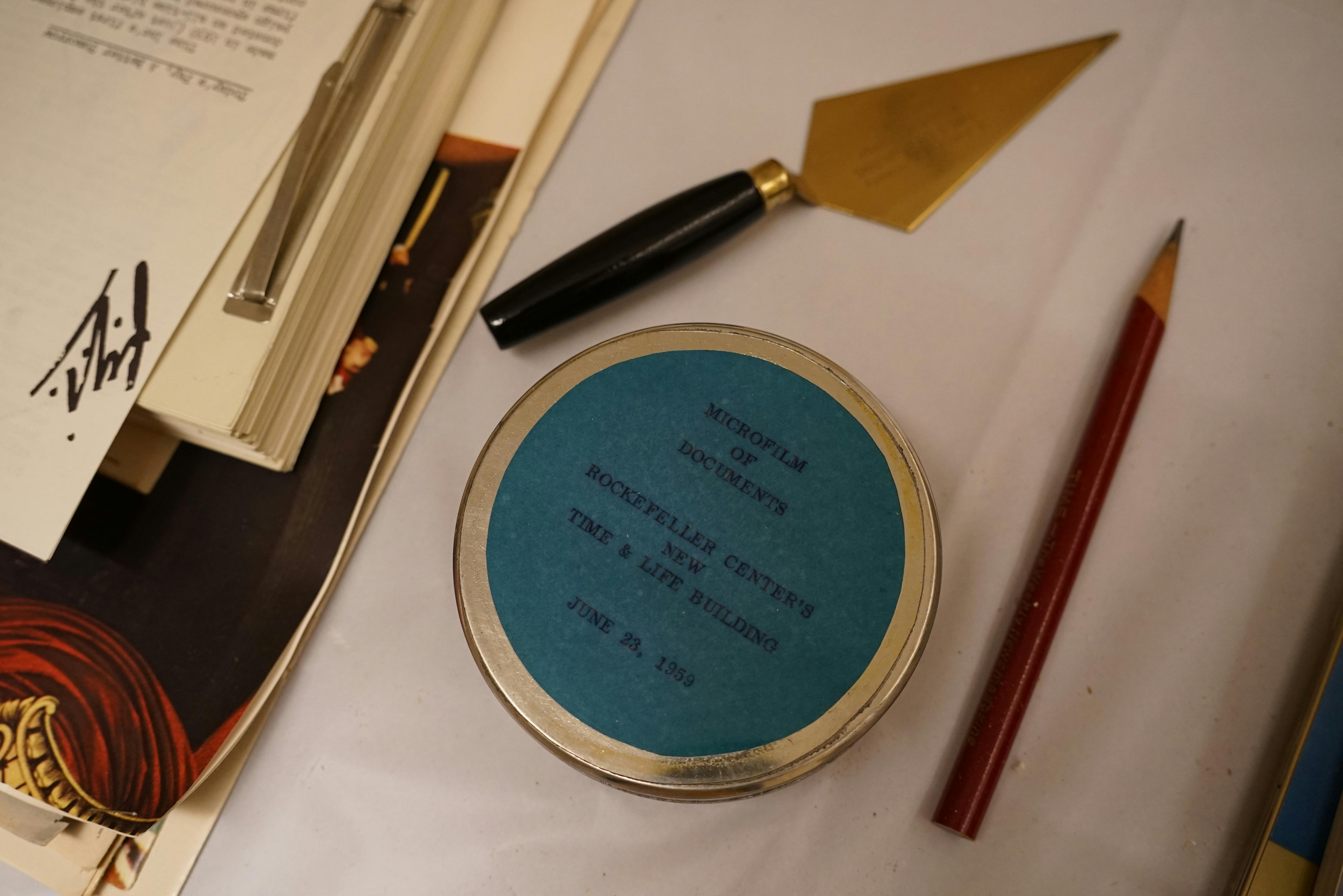
Some of the objects in the original time capsule, including a tin of microfilm about Rockefeller Center, a souvenir trowel from the 1959 cornerstone ceremony, and a red pencil used by TIME editors. (Photo: Anna Belle Peevey)
Time Inc. in 1959 was both chest-thumping and history-shaping. But no one at the ceremony that day could have imagined that the company wouldn’t exactly exist to celebrate its 100th birthday. Battered by downturns in print media, it was acquired by the Meredith Corporation in 2018, and major titles like TIME, Fortune, and Sports Illustrated were sold off.
The New-York Historical Society acquired Time Inc.’s vast company archive in 2015. Among those objects was the time capsule itself, which was removed from the cornerstone of 1271 Avenue of the Americas when the company left the building. New-York Historical stepped in to mark the anniversary this month with a small, private ceremony to open and refill the time capsule as was intended.
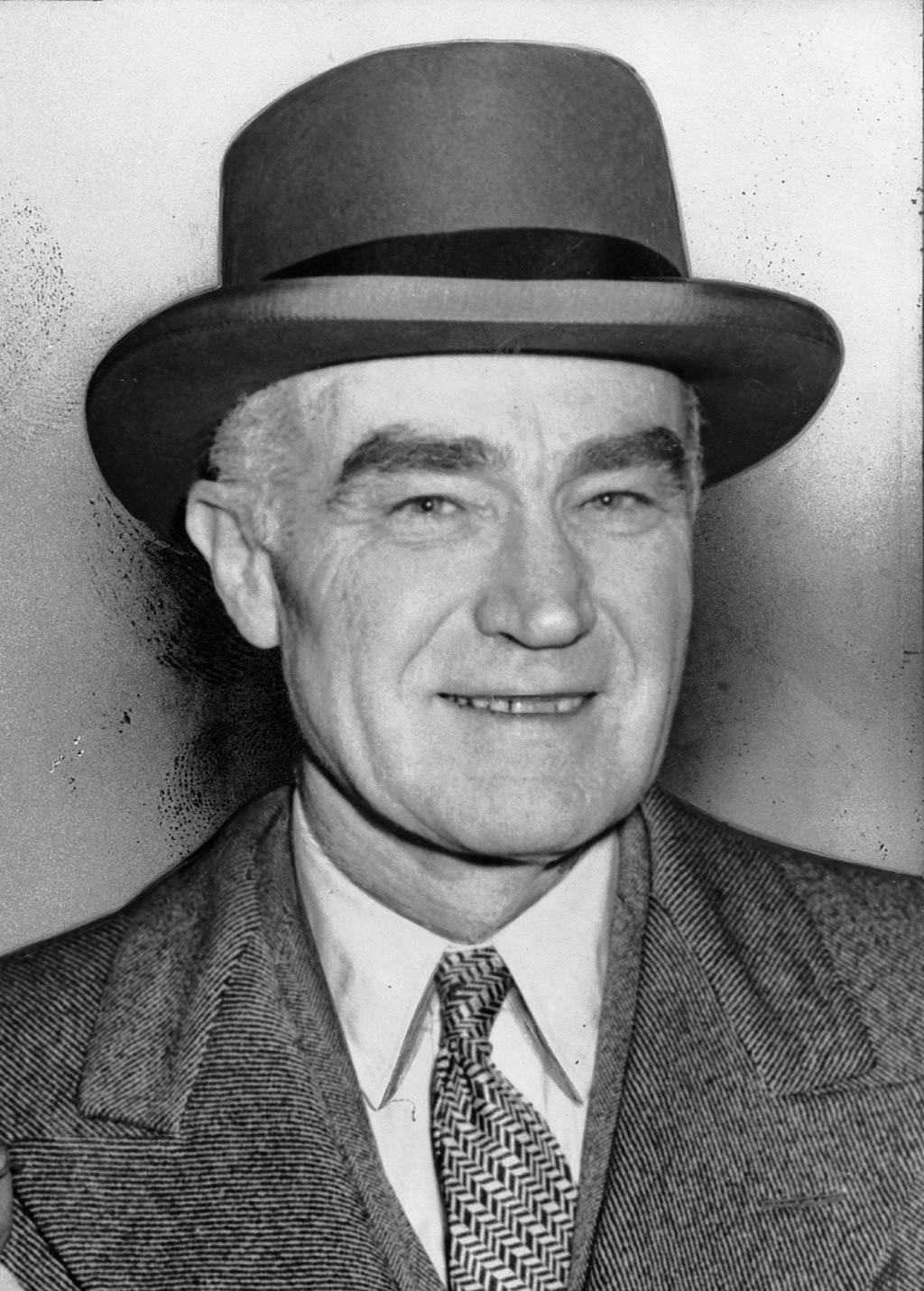
Henry Luce in 1954. Library of Congress Prints and Photographs Division. New York World-Telegram and the Sun Newspaper Photograph Collection, photographer Phil Stanziola.
“So much of what we have related to Time Inc. is the day-to-day running of the magazines—it’s a memo, things that people never thought anyone would ever see other than the people they sent them to,” says Patricia D. Klingenstein Library curator Meredith Mann. “Whereas there’s a sense of awareness and reflection when it comes to a time capsule—what you decide to put in a capsule versus what people see when they open it up.”
Mann consulted with longtime Time Inc. archivist Bill Hooper, and together, they came up with a list of new items to add to the capsule that reflect Time’s history in the second half of the 20th century. Among them: first issues of magazines that were launched post-1959, including Money, InStyle, and Entertainment Weekly; pre-launch mockup issues of People; printed copies of news coverage about the Time Warner merger and the Meredith acquisition; and perhaps most poignant, a copy of the TIME issue memorializing the death of Henry Luce in 1967. All of the new objects are paper-based, staying true to the company’s print roots even as it got subsumed by the digital age. Of course, this also happens to be better for archival purposes. “Not to sound like a Luddite,” Mann says with a laugh, “but when the capsule is opened in 100 years, it has a better chance of being accessible on paper.”
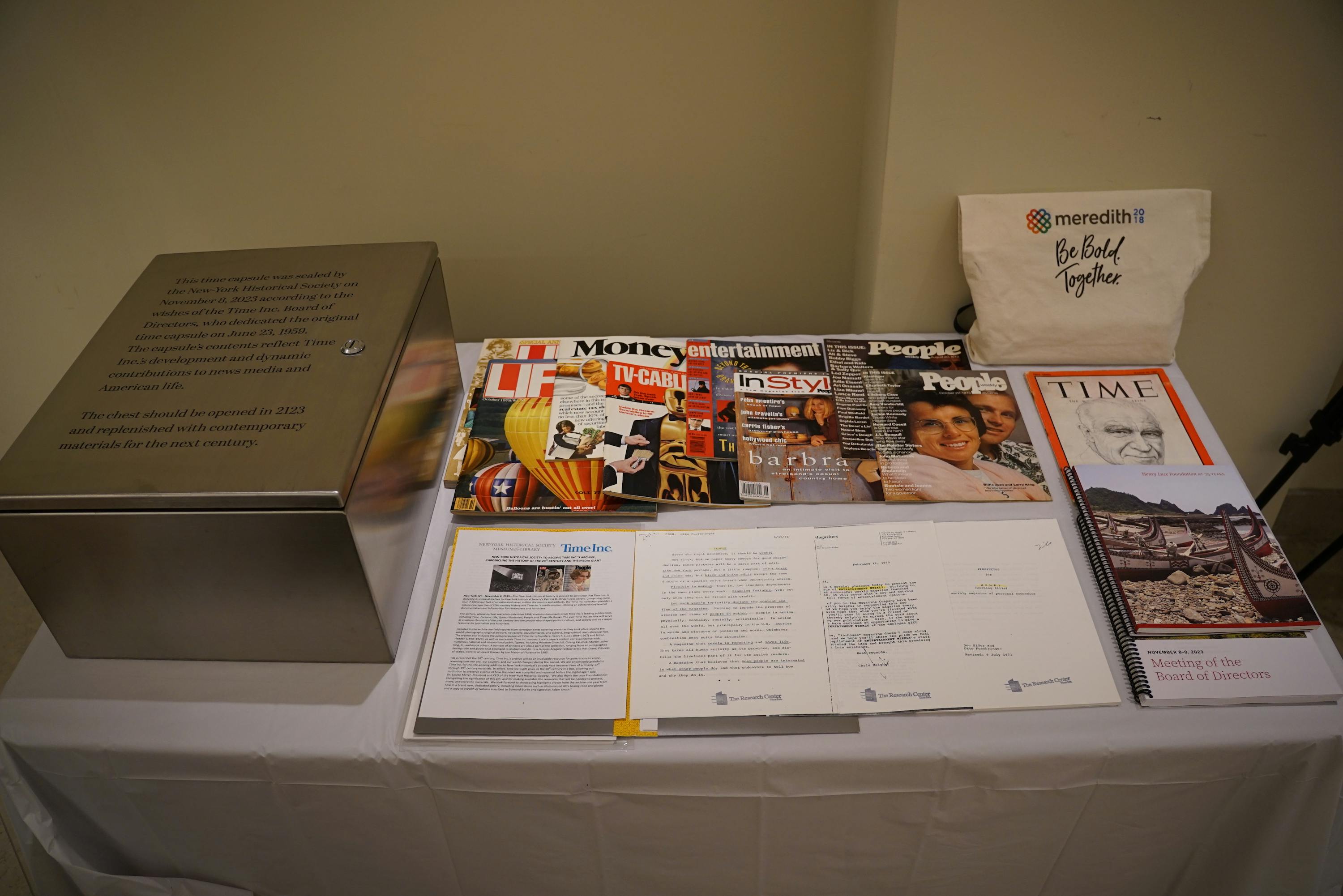
The new time capsule and some of the objects to be placed inside, including issues of "Entertainment Weekly," "InStyle," and "People," and the TIME issue commemorating the death of Henry Luce. (Photo: Anna Belle Peevey)
The plan is to put the new capsule back into storage, to be opened again in 2123 by the New-York Historical curators of the 22nd century. What will people remember about Time Inc. by then? It’s impossible to say, of course. But if history is any guide, the New-York Historical Society will still be there to preserve all those memories.
“When I think about what the Museum and Library does, what’s important is: We keep things safe and we provide people with access,” says Mann. “Businesses open and close, and a lot of times—especially in a fast-paced field like journalism—you’re not thinking about what you’re saving. But what we are able to do is ensure that the material will be taken care of and that there’s a place for it so it doesn’t disappear.”
She adds, “We’re playing the long game, for sure.”
Keep Reading
- Behind the ScenesSeptember 28, 2026
The Great American Novel Revisited
Americans have always looked to certain literary masterpieces for a sense of who we are. - Behind the ScenesJune 29, 2026
Our Birthday Wishes for America
What's your wish for America's future? - Behind the ScenesOctober 20, 2025
#AskaMuseum—Our Curators Answer Your Questions
You asked, and our curators answered! For #AskaMuseumDay last month, we gathered the questions our social media followers. - Behind the ScenesJune 27, 2025
GAY PRIDE in '75: Fred McDarrah's Photographs of the 1975 Pride March
To celebrate the arrival of the historic Fred W. McDarrah Archive at The New York Historical, we are excited to share some of the stories behind McDarrah’s iconic photos of the 1975 Pride March in honor of its fiftieth anniversary.